
Abstract tattoo styles have become increasingly popular among enthusiasts seeking unique and expressive body art. These designs often emphasize freedom of form, emphasizing creativity over realism. Artists use a variety of techniques, ranging from delicate line work to bold splashes of ink, to convey emotion and movement.
The beauty of abstract tattoos lies in their interpretation—each viewer may see something different in a single piece. This style allows for a high degree of personalization, making it ideal for those who want a design that is both meaningful and visually striking. As a result, abstract tattoos are celebrated for their versatility and innovative nature.
Evolution of Abstract Tattoo Art
Historically, abstract art has roots in modern movements like Dada and Surrealism. These art forms challenged traditional notions of representation, focusing instead on emotion and subconscious expression. Tattoo artists began exploring these ideas, creating designs that broke away from realistic depictions.
Over the years, abstract tattoo styles have evolved into a distinct genre within the tattoo community. Artists experiment with different techniques, such as geometric shapes, splattered ink, and chaotic line work. This evolution reflects a broader trend toward more expressive and conceptual body art.
The incorporation of abstract styles into tattoos has allowed for more personal storytelling. Clients can collaborate with artists to develop pieces that resonate on a deeper level, reflecting their individuality and life’s complexities. This dynamic has helped propel abstract tattoos into mainstream popularity.
Techniques Used in Abstract Tattoos
Line work is a fundamental technique in abstract tattooing, often used to create intricate patterns and textures. Artists may employ thin, delicate lines to form subtle details, or bold strokes to evoke strength and movement. The interplay of line weight contributes greatly to the overall impact.
Splatter and brushstroke effects are also common, mimicking abstract paintings with ink and needle. These techniques add a sense of chaos and spontaneity, making each tattoo unique. The unpredictability of these methods allows for a more organic and fluid appearance.
Color plays a vital role in enhancing abstract designs. Some artists opt for a monochromatic palette to focus on form and line, while others incorporate vibrant hues for visual thrills. Blending and shading techniques further add depth and dimension to the artwork.
Popular Styles within Abstract Tattoos
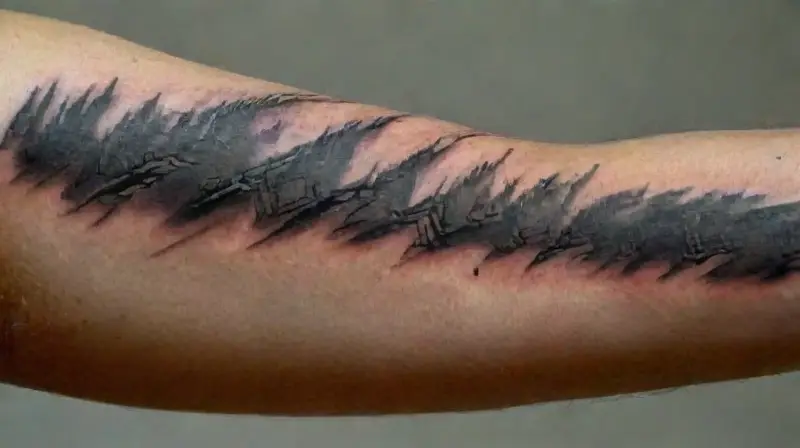
Geometric abstraction combines precise shapes and lines to produce a sense of order amidst chaos. These tattoos often feature triangles, circles, and polygons that interlock in complex arrangements. They appeal to those who appreciate symmetry and mathematical precision.
Another popular style is watercolor abstraction, which mimics the fluidity of watercolor paintings. Soft edges, drips, and bleeding colors create a dreamy and soft aesthetic. This style lends itself well to freeform designs that evoke emotion and spontaneity.
Chaos and splatter styles prioritize disarray and expressive spontaneity. These tattoos often resemble abstract expressionist paintings, emphasizing raw emotion and movement. The result is a bold, dynamic appearance that captures the essence of chaos.
The Role of Composition and Balance
Despite their chaotic appearance, abstract tattoos require careful composition to achieve harmony. Artists consider the flow of the design in relation to the body’s natural contours. Proper placement ensures the artwork accentuates the skin and enhances visual impact.
Balance is achieved through the strategic use of negative space, contrast, and varied line weights. These elements prevent the design from becoming too overwhelming or cluttered. A well-balanced abstract tattoo guides the viewer’s eye across the piece seamlessly.
Artists often sketch multiple iterations before finalizing a piece, experimenting with different arrangements and elements. This process ensures that the tattoo not only looks chaotic and spontaneous but also maintains an underlying sense of order and purpose.
Blackwork and Color in Abstract Tattoos
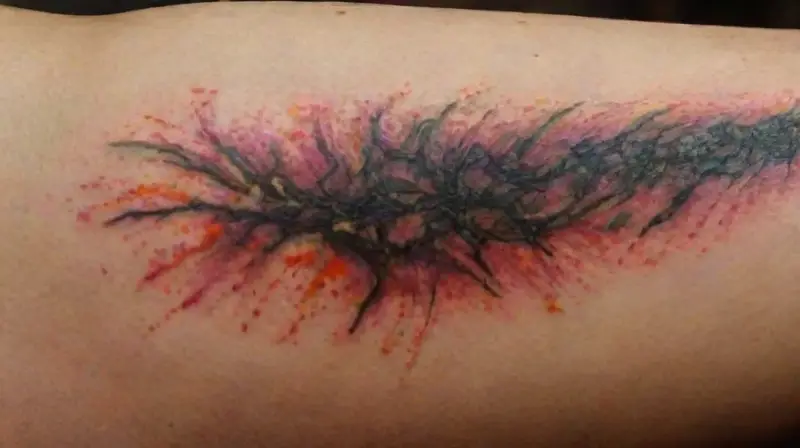
Blackwork is a prevalent choice in abstract tattoos, focusing on bold, solid black lines and shapes. This style creates striking contrast and emphasizes line work and geometric patterns. It works well for minimalist or highly detailed designs alike.
On the other hand, color can add vibrancy and depth. Bright, contrasting hues generate visual interest and evoke emotion. When combined with abstract patterns, color can transform a simple design into a captivating piece of art.
Combining blackwork and color offers versatility. Artists may use black for structure and colors to highlight certain areas, creating a layered and complex visual narrative. This blend enhances the overall aesthetic and richness of the tattoo.
Future Trends in Abstract Tattoo Art
Emerging trends include the integration of digital techniques, allowing artists to design more intricate and customized patterns. Digital tools facilitate experimentation with complex geometries and color gradients, pushing the boundaries of traditional tattooing.
Moreover, sustainable and eco-friendly inks are gaining popularity, aligning body art with environmental consciousness. This shift influences art styles, encouraging more organic and naturalistic abstract forms. Expect to see a broader range of innovative styles as technology and ethics evolve.
Collaboration between traditional and modern artists is also shaping the future, fostering a fusion of techniques and ideas. This convergence will likely lead to even more dynamic and expressive abstract tattoos, reflecting diverse cultural influences and artistic philosophies.
Conclusion
Abstract tattoo styles continue to revolutionize body art by emphasizing personal expression and creative experimentation. Their versatility allows for a wide range of visual exploration, from delicate line work to chaotic splashes, making each piece a unique reflection of the wearer’s identity.
As techniques advance and artistic boundaries expand, the future of abstract tattoos appears promising. They challenge conventional notions of beauty and representation, encouraging both artists and clients to embrace chaos as an essential element of artistic growth and self-expression.
Leave a Reply