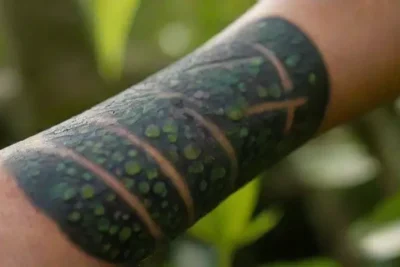
Tattoos have long been a significant part of many cultures, symbolizing everything from spiritual beliefs to social status. Across the globe, ancient communities have used tattooing as a way to preserve their heritage and tell their stories on the skin. Today, these traditions continue to influence modern tattoo art, blending history with contemporary expressions.
The practice of tattooing is more than just decoration; it is a profound form of identity and belonging. As people worldwide embrace tattooing, many are rediscovering the cultural roots that give deeper meaning to their body art. This global interest highlights the universal appeal and timeless significance of tattoo traditions.
Indigenous Polynesian Tattooing
Indigenous Polynesian cultures have mastered the art of tattooing, turning it into a sacred ritual. In places like Tahiti and Samoa, tattoos are seen as a rite of passage, symbolizing maturity and social status. These intricate designs often cover large portions of the body, reflecting personal and ancestral stories.
The process of traditional Polynesian tattooing is considered a spiritual journey. Skilled tattooists, known as “tā moko” or “tattoo masters,” use handcrafted tools made from bone or stone. The techniques involve meticulous craftsmanship, emphasizing cultural precision and respect for heritage.
Today, many Polynesian communities continue their tattooing traditions, blending ancient methods with modern equipment. These tattoos serve as powerful reminders of cultural identity and ancestral bonds, fostering pride among younger generations. Such practices contribute to the preservation of Polynesian customs on a global scale.
Japanese Irezumi Practices
Japanese Irezumi is a historic tattoo style characterized by vibrant colors and detailed figures like dragons, koi fish, and cherry blossoms. It has deep roots in Japanese culture, originally associated with the Yakuza, but now appreciated worldwide for its artistic beauty.
Traditional Japanese tattooing involves a lengthy and labor-intensive process. Artisans use hand-poking techniques called “tebori,” requiring skill and patience to create ornate designs. This craftsmanship has preserved the integrity of the style through generations.
Modern Irezumi has experienced a resurgence as artists incorporate traditional motifs into contemporary tattooing. While some still associate it with rebellion, many now celebrate it as an exquisite form of cultural expression. This enduring art form links present-day tattoo enthusiasts with Japan’s rich artistic heritage.
Scandinavian Viking Tattoos

Viking symbols and runes have become a popular form of expression for those interested in Norse history. These tattoos often include mythological creatures, shields, and compass roses, representing strength, protection, and destiny. Many enthusiasts see them as a way to connect with their ancestral roots.
The Scandinavian tattoo tradition draws inspiration from ancient artefacts and stories found in archaeological sites. Artists carefully incorporate runes and Norse mythology into designs that pay homage to Viking warriors and explorers. This connection to history makes Viking tattoos uniquely meaningful.
Today, many choose these tattoos to embody courage and resilience, ideals held close to Norse culture. They serve as powerful symbols of identity and pride for those reclaiming their heritage through body art. The influence of Viking traditions continues to grow in the global tattoo community.
African Tribal Tattoos
Africa boasts a diverse range of tribal tattoo traditions, each with distinct significance. From the Maasai of Kenya to the Berber tribes of North Africa, body art acts as a marker of cultural identity, social status, and rites of passage. These tattoos often feature geometric patterns and symbolic images.
The process of creating tribal tattoos is deeply spiritual, often involving community ceremonies. Traditional methods include puncturing and ink application with natural materials like plant dyes. These practices are considered sacred, linking individuals to their ancestry.
In modern times, indigenous communities and artists are working to preserve these traditions amid globalizing influences. Many people seek tribal-inspired tattoos to honor and showcase their heritage. Such body art continues to serve as a vibrant cultural emblem across Africa.
Native American Tattooing
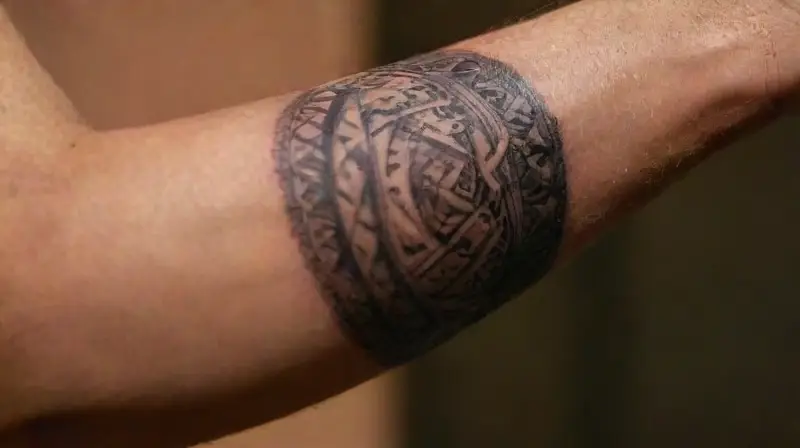
Native American communities have used tattoos for centuries to represent spiritual beliefs, achievements, and tribal identity. Their designs include symbolic animals, celestial patterns, and warrior motifs. These tattoos function as a visual language imbued with cultural meaning.
The techniques used in Native American tattooing range from traditional hand-poking to modern methods. Historically, tattoos were applied during ceremonies that marked important life stages, such as coming of age or spiritual journeys. The tattoos often carried personal and communal significance.
Today, Indigenous artists and community members are revitalizing their tattoo traditions, blending ancestral symbols with contemporary styles. This resurgence helps preserve a vital aspect of Native heritage. It also provides a platform for indigenous voices within global art circles.
Modern Global Influences
As tattoo art becomes increasingly popular worldwide, traditional styles are inspiring new innovations. Artists often incorporate elements from different cultures, creating fusion designs that celebrate diversity. This blending showcases the universal language of body art.
Despite the modern approach, many practitioners strive to respect and maintain the authenticity of traditional tattoo techniques. This awareness helps prevent cultural appropriation and promotes appreciation for heritage. Education about cultural significance remains essential in the global tattoo community.
The popularity of cultural tattoo traditions continues to grow, fostering a sense of connection across different heritages. Many people see their tattoos as a meaningful expression of their identity and values. The evolving landscape of tattooing ensures these ancient practices remain vibrant and relevant today.
Conclusion
Cultural tattoo traditions offer a profound window into the heritage and identity of various peoples around the world. These body arts carry stories, beliefs, and histories that connect individuals to their roots in meaningful ways. Embracing these traditions helps sustain diverse cultures amidst a rapidly changing global landscape.
As modern society increasingly values personal expression, traditional tattoo practices continue to thrive and adapt. Respect and understanding of their significance are crucial to honoring their origins. Celebrating these rich heritages through tattooing fosters cultural appreciation and unity worldwide.
Leave a Reply