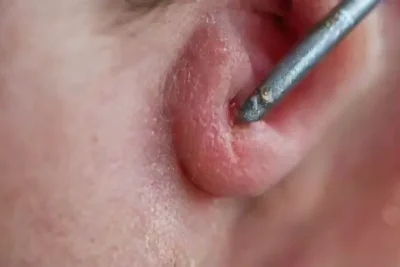
Piercing is a popular form of body modification that allows individuals to express their personal style and identity. While many people enjoy getting piercings safely, some face complications, especially bleeding issues. Understanding these risks is essential for anyone considering a new piercing.
Excessive bleeding can be a serious concern that may require prompt medical attention. Knowing the potential causes and how to manage bleeding can help prevent further health complications and ensure a safer piercing experience.
Causes of Excessive Bleeding
Several factors can contribute to excessive bleeding during a piercing procedure. One common cause is the presence of pre-existing blood disorders that affect clotting, such as hemophilia or thrombocytopenia. Individuals with these conditions are at a higher risk of uncontrollable bleeding.
Medication use also plays a significant role. Blood-thinning drugs like aspirin or warfarin can impair the blood’s ability to clot properly. If someone is taking such medications, they should consult with their doctor before getting pierced to minimize the risk of bleeding complications.
Genetic factors can influence bleeding tendencies as well. Some people have inherited conditions that affect blood vessel integrity or platelet function, which can lead to increased bleeding during minor injuries like piercings.
Common Types of Piercings Associated with Bleeding
Certain piercings are more prone to bleeding than others due to their location and the tissue involved. Ear cartilage piercings, for example, often bleed more than lobe piercings because of the denser tissue and proximity to blood vessels.
Nasal and septum piercings tend to cause significant bleeding because of the rich vascular supply in the nasal area. These piercings can sometimes result in persistent bleeding if not properly cared for or if complications occur.
Surface piercings, located on areas like the eyebrows or neck, also have a higher risk of bleeding because of their proximity to blood vessels and the difficulty in healing these areas. Proper technique and aftercare are vital to minimize blood loss.
Immediate Management of Bleeding
When excessive bleeding occurs during a piercing, applying pressure immediately is the first step. Using a clean cloth or sterile gauze to apply steady pressure can help slow down and eventually stop the bleeding.
Elevating the pierced area above heart level can also reduce blood flow to the site. This simple measure can help control bleeding more effectively until help is available.
In cases where bleeding persists or is severe, seeking medical attention promptly is crucial. Healthcare professionals can evaluate the situation, provide appropriate treatment, and ensure there are no underlying issues that need addressing.
Preventative Measures for Bleeding
Preventing excessive bleeding begins before the piercing procedure. A thorough health assessment, including a review of medications and medical history, is essential. Informing the piercer about any blood disorders or medication use helps them plan accordingly.
Choosing a reputable and experienced piercer reduces the chances of trauma and improper technique, which can lead to unnecessary bleeding. Certified professionals follow strict hygiene and safety standards to minimize complications.
Post-procedure care also plays a vital role in preventing bleeding. Proper cleaning, avoiding trauma to the piercing site, and adhering to aftercare instructions promote healthy healing and reduce the risk of bleeding complications.
Risks of Infections and Bleeding

Excessive bleeding can sometimes be a sign of an underlying infection or other complications. Infection can exacerbate bleeding by affecting blood vessels and tissue integrity, leading to prolonged or increased blood loss.
Signs of infection include redness, swelling, warmth, or pus at the piercing site. If bleeding is accompanied by these symptoms, medical intervention is necessary to prevent further health issues.
In some cases, persistent bleeding may result in hematoma formation, where blood collects under the skin. Hematomas can cause pain and swelling and may require drainage by a healthcare professional to prevent further problems.
Long-term Effects and Complications
Repeated or uncontrolled bleeding can cause scarring or tissue damage that may be permanent. Scar tissue can alter the appearance of the piercing and may lead to complications if not properly managed.
In rare cases, excessive bleeding during or after a piercing can lead to more serious complications, such as blood loss anemia or complications related to underlying medical conditions. Regular monitoring and prompt treatment are essential for safe healing.
Understanding the risks involved helps individuals make informed decisions about getting piercings. Proper care and professional guidance significantly reduce the likelihood of long-term damage or health issues related to bleeding.
Conclusion
Excessive bleeding during piercings is a potential risk that should not be overlooked. Being aware of the causes and how to respond can make the difference between a safe procedure and a serious complication. It is always advisable to consult with qualified professionals and disclose any health conditions before proceeding.
Taking preventive measures and following proper aftercare instructions are key to minimizing bleeding risks and ensuring a smooth healing process. By prioritizing safety and hygiene, individuals can enjoy their piercings while reducing the chance of adverse effects.
Leave a Reply