
Tattoos have long been a form of artistic expression, allowing individuals to showcase their personality, beliefs, or aesthetic preferences on their skin. In recent years, the popularity of geometric tattoos has surged, captivating enthusiasts with their clean lines and intricate patterns. These designs often incorporate abstract and surreal elements, creating a unique visual impact that stands out.
The appeal of geometric tattoos lies in their ability to blend mathematical precision with artistic creativity. By combining symmetry, shapes, and illusions, artists craft stunning visuals that evoke curiosity and wonder. Such tattoos are not just decorative but also serve as deeply symbolic artworks that resonate on a personal level.
The Origins of Geometric Tattoos
The roots of geometric tattooing can be traced back to ancient cultures that used symbols and patterns for spiritual or ceremonial purposes. Indigenous tribes in Africa, Polynesia, and the Americas employed geometric motifs to denote identity, rank, or protection. These ancient practices laid the groundwork for modern techniques in the art form.
Over time, the influence of these traditional styles merged with contemporary aesthetic preferences. Artists began to experiment with new shapes and compositions, elevating geometric tattoos from simple symbols to complex works of art. This evolution has led to the diverse styles seen today, blending history with innovation.
The modern interpretation of geometric tattoos often emphasizes personal meaning and visual harmony. Many clients seek designs that symbolize balance, harmony, or interconnectedness, reflecting their personal philosophies. As a result, tattoo artists continually push the boundaries of what geometric patterns can express.
Abstract Aesthetics in Tattoo Art
Abstract styles in tattooing focus on expressing concepts without depicting realistic objects. They emphasize form, color, and composition over literal representation. Geometric abstractions often involve asymmetrical patterns or optical illusions that challenge viewers’ perceptions.
This approach allows for creative freedom, enabling artists to craft unique and thought-provoking designs that resonate on a subconscious level. Clients often choose abstract geometric tattoos to showcase their individuality and appreciation for modern art forms.
Drawing inspiration from abstract paintings and sculpture, tattoo artists blend irregular shapes and dynamic lines to produce visually engaging pieces. These designs can evoke feelings ranging from serenity to chaos, depending on their composition and execution.
Abstract geometric tattoos often incorporate negative space creatively, making the design appear to dance or shift on the skin. This technique enhances the illusion of movement and depth, contributing to a futuristic or surreal aesthetic.
Surrealism and Geometric Patterns
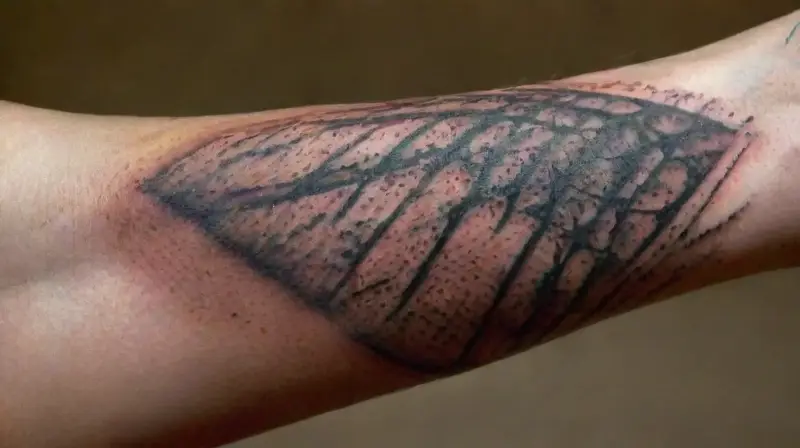
Surrealism introduces fantastical and dreamlike elements into tattoo art, often blending reality with imagination. When combined with geometric patterns, surreal tattoos create a compelling juxtaposition of logic and fantasy.
Artists use surreal motifs—like floating objects, impossible structures, or ethereal scenes—intertwined with precise geometric shapes. This fusion results in tattoos that seem to defy conventional understanding and invite viewers into a world of wonder.
The surreal style lends emotional depth to geometric tattoos, often evoking feelings of mystery, curiosity, or introspection. Clients may choose these designs to symbolize their journey into the subconscious or to express a personal mythology.
Such tattoos often leverage optical illusions and intricate linework to challenge perception, making them engaging and conversation-starting. The surreal geometric aesthetic pushes the boundaries of traditional tattoo art into the realm of fine art.
Popular Geometric Tattoo Designs
Some of the most popular geometric tattoo designs include mandalas, polyhedra, and fractal patterns. Mandalas are symmetrical, circular motifs representing harmony and unity, often used in spiritual practices across various cultures.
Polyhedral shapes symbolize stability and complexity, with designs often depicting crystalline structures or three-dimensional forms. Fractal patterns, on the other hand, showcase infinite detail and self-similarity, creating mesmerizing visual effects on the skin.
Other trending designs incorporate geometric animal depictions, such as wolves or lions, stylized with sharp lines and angular features. These designs combine nature and mathematics, delivering powerful symbolic messages through minimalistic aesthetics.
Color plays a significant role in enhancing these designs. Black ink remains the classic choice, emphasizing linework and symmetry, but vibrant hues and gradients are increasingly popular for creating dynamic and eye-catching tattoos.
Techniques for Creating Geometric Tattoos
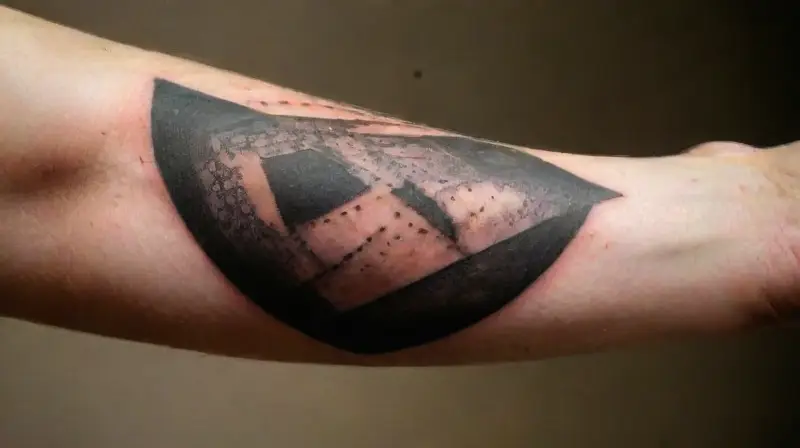
Crafting precise geometric tattoos requires specialized tools and skills. Artists often use fine needles and stencils to ensure symmetry and accuracy in their patterns. The process demands a steady hand and meticulous planning to achieve the desired result.
Digital design tools have become invaluable for artists, enabling the creation of complex templates that can be transferred onto the skin with high precision. This technology allows for experimentation with different compositions and color schemes before the actual tattooing begins.
Line work must be crisp and clean to maintain the integrity of geometric forms. Shading and color gradients, when used, add depth and dimension, transforming flat patterns into immersive visual experiences. The skillful combination of these techniques results in tattoos that are both precise and visually striking.
Maintaining consistency throughout the process is essential, especially for symmetrical designs, which must be perfectly aligned. The choice of aftercare also influences the longevity and appearance of the tattoo, ensuring that the geometric patterns remain sharp and vibrant over time.
Customization and Personal Meaning
Geometric tattoos are highly adaptable, allowing for customization to reflect personal stories or beliefs. Clients often collaborate with artists to incorporate specific symbols, numbers, or patterns that hold significance in their lives.
This personalization transforms a simple design into a meaningful artifact that represents individuality. Many see geometric tattoos as a visual language, with each element carrying symbolic weight tailored to the wearer’s experiences.
Artists excel in translating personal narratives into harmonious patterns, balancing aesthetics with meaning. This interplay makes each tattoo unique and deeply resonant, emphasizing the connection between body art and personal identity.
The versatility of geometric designs means they can be discreet or bold, simple or elaborate. Whether placed on the wrist, back, or chest, these tattoos adapt seamlessly, offering a canvas for self-expression that is both timeless and contemporary.
Conclusion
Geometric tattoos in abstract and surreal styles push the boundaries of traditional tattoo art, offering viewers and wearers alike a visual experience that is both thought-provoking and aesthetically compelling. Their combination of mathematical exactness and artistic innovation makes each piece a true work of art.
As artists continue to explore new techniques and inspirations, the versatility of geometric tattoos ensures they remain a popular choice among those seeking meaningful and striking body art. With their capacity for personalization and artistic expression, these designs will undoubtedly shape the future of tattoo culture.
Leave a Reply