In recent years, the world of body modifications has experienced a significant shift toward inclusive designs that transcend traditional gender boundaries. Among these innovations, geometric piercings have gained immense popularity for their clean lines and contemporary aesthetic. They appeal to individuals seeking a style that is both minimalistic and expressive, regardless of gender identity. This movement underscores a broader trend toward embracing diversity and personal individuality through body art.
Women, men, and non-binary individuals alike are now exploring geometric piercings as a way to showcase their uniqueness. These piercings often feature simple shapes such as triangles, squares, or circles, which makes them versatile and adaptable. The unisex appeal of these designs challenges conventional notions of gender-specific jewelry, promoting a more inclusive fashion culture. As a result, geometric piercings are becoming a staple in modern self-expression.
The Origins of Geometric Piercings
The concept of using geometric shapes in body ornamentation has roots that trace back to ancient cultures. Civilizations such as the Egyptians and the Greeks employed geometric motifs in their jewelry and body art. These designs symbolized various spiritual and social meanings, often linked to cosmic or mathematical significance. Their influence remains evident in contemporary piercing styles.
Modern geometric piercings, however, have evolved into a minimalist aesthetic that resonates with today’s fashion trends. Creative enthusiasts incorporate clean lines and simple shapes to craft designs that are both bold and subtle. The emphasis is on symmetry and balance, reflecting principles of harmony and order that appeal across gender identities.
The development of safe and accessible piercing techniques has further propelled the popularity of geometric designs. Piercing artists now use precise methods to ensure the symmetry and durability of these shapes. As the body modification community continues to grow, the interplay between ancient symbolism and modern minimalism becomes increasingly prominent.
Popular Geometric Piercing Types
Among the various geometric piercing options, cartilage piercings like the helix are especially favored for their silhouette. These can be adorned with small studs or hoops featuring geometric motifs. Their placement allows for versatile styling and effortless integration into everyday looks. The simplicity of the shapes makes them suitable for those new to body modification.
Facial piercings such as septum and industrial piercings also lend themselves well to geometric designs. A septum ring in the shape of a triangle or a line can make a bold statement. These piercings often serve as focal points and can be customized with a range of materials to suit individual preferences, emphasizing symmetry and modernity.
Body piercings on other parts like the nape, collarbone, or fingers have gained popularity as well. Small geometric studs or barbell attachments create a clean, elegant look. These versatile placements demonstrate how geometric piercings can adapt to different styles and gender expressions, often blurring traditional distinctions.
Materials Used in Gender-Neutral Designs
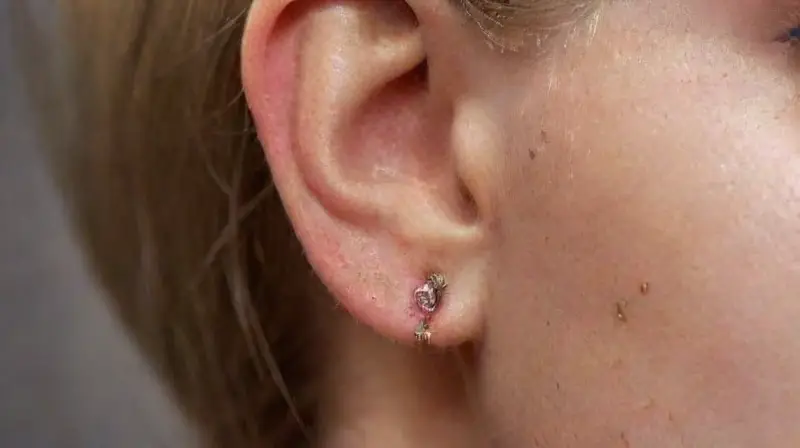
The choice of materials plays a vital role in defining the aesthetic and comfort of geometric piercings. Surgical-grade stainless steel remains a popular option due to its durability, hypoallergenic properties, and affordability. Its sleek finish complements the clean lines characteristic of geometric designs.
Titanium is another favored material, especially for those with sensitive skin. It offers a lightweight and corrosion-resistant alternative, making it ideal for initial piercings and long-term wear. Its versatility allows for creative customizations, such as colored coatings or anodized finishes, enhancing the modern look of the jewelry.
Other materials like surgical PVD (Physical Vapor Deposition) coatings, glass, and certain plastics are also used to create unique geometric pieces. These offer a broader palette of colors and textures, allowing wearers to express their individuality. The material choice ultimately influences not just aesthetic appeal but also health and comfort.
Cultural Influences and Symbolism
Despite their modern appeal, geometric piercings often draw inspiration from ancient symbols and cultural motifs. Many shapes, such as triangles and circles, have profound meaning in various traditions. For example, triangles can symbolize strength or spirituality, while circles often represent unity and completeness.
In some cultures, geometric patterns are integral to rituals and societal identity. The adoption of these shapes in contemporary piercings can be seen as a nod to these traditions and a way to incorporate a deeper layer of meaning into personal body art. This cultural resonance adds depth to the minimalist aesthetic of modern geometric designs.
Furthermore, the universality of geometric shapes makes them accessible and relevant across different societies. Their neutral symbolism enables individuals to use piercings as expressions of personal philosophy or beliefs without cultural misappropriation. This cross-cultural connection enhances their appeal in the gender-neutral fashion landscape.
Care and Maintenance of Geometric Piercings
Proper care is essential to maintain the appearance and health of geometric piercings. Cleaning with saline solutions and avoiding unnecessary handling helps prevent infections and ensures the jewelry retains its crisp edges. Regular check-ups with professional piercers can assist in keeping the piercing in optimal condition.
The simplicity of geometric designs often makes cleaning and maintenance easier, as there are fewer intricate details to trap dirt or bacteria. Wearing high-quality materials reduces the risk of allergic reactions and prolongs the lifespan of the jewelry. Proper care encourages healing and preserves the integrity of the shape.
Additionally, choosing jewelry that fits well and is appropriate for the body’s position can prevent discomfort or deformation over time. The minimalistic nature of geometric piercings requires attention to hygiene and routine maintenance to retain their sleek, modern appearance. With proper care, these piercings can be a lasting part of one’s self-expression.
Future Trends and Innovations
The future of gender-neutral geometric piercings is set to witness ongoing innovations in design and technology. 3D printing enables the creation of complex, bespoke shapes that push the boundaries of minimalist aesthetic. As fabrication methods advance, wearers will have more personalized options that reflect their identity.
Emerging materials and coatings promise to expand the versatility of geometric jewelry, making it more customizable and sustainable. Brands are exploring eco-friendly options that align with a growing environmental consciousness within the body modification community. This shift opens new possibilities for ethically produced designs.
Additionally, technological advancements in implant materials and techniques could revolutionize how geometric piercings are integrated into the body. Concepts like bio-compatible, flexible jewelry may allow for even more natural and expressive forms. Overall, the horizon of geometric piercings is rich with potential for creative exploration and inclusive self-empowerment.
Conclusion
Gender-neutral geometric piercings embody a modern approach to self-expression, blending minimalism with meaningful symbolism. They serve as a universal form of body art that appeals to all genders, emphasizing individuality over traditional boundaries. The versatility and contemporary appeal of these designs make them a popular choice among those seeking a clean and sophisticated aesthetic.
As body modification continues to evolve, geometric piercings will likely remain at the forefront of inclusive fashion. Their adaptability across different styles and cultural influences highlights their importance as symbols of unity and personal identity. Embracing these designs encourages a broader understanding of beauty and expression beyond gender norms.
Leave a Reply