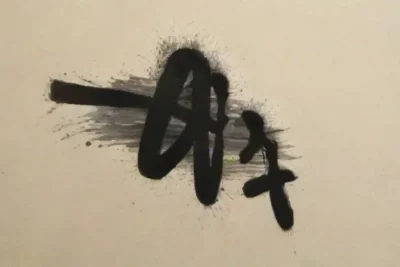
Japanese signatures are a unique form of personal identification that reflect a rich cultural history and artistic expression. Over centuries, they have evolved from simple handwritten characters to intricate designs that incorporate both traditional calligraphy and modern stylistic elements. Understanding this blend offers insight into Japan’s deep respect for heritage while embracing contemporary trends.
Today, many Japanese individuals and artists seek to fuse historical techniques with modern aesthetics in their signatures. This combination not only preserves the cultural significance but also allows for greater personalization and creativity. The result is a dynamic form of expression that continues to adapt with changing artistic and societal landscapes.
Historical Background of Japanese Signatures
Historically, Japanese signatures, known as “hanko” or stamps, served as official marks of authenticity and authority. These seals were often carved from wood or stone, representing a person’s identity in legal, commercial, and personal contexts. The use of hanko has been documented for over a thousand years, firmly rooted in traditional practices.
In addition to seals, handwritten signatures began to develop as a more personal form of identification during the Edo period. These signatures incorporated calligraphic strokes that conveyed elegance and individual style. Over time, they became a symbol not only of identity but also of social status and artistic expression.
Modern Japanese signatures often incorporate elements of these traditional forms. While many still use traditional hanko for official purposes, handwritten signatures have become more personalized, blending historical influences with contemporary aesthetics. This evolution reflects a societal shift towards valuing both tradition and innovation.
The Role of Calligraphy in Traditional Signatures
Calligraphy holds a central place in the art of Japanese signatures. Known as “shodo,” this spiritual and aesthetic discipline emphasizes brushstrokes, balance, and harmony. Signatures crafted with calligraphic techniques evoke a sense of grace and artistry that is highly valued in Japanese culture.
Traditional calligraphic signatures often feature flowing, elegant strokes that demonstrate the signer’s mastery of brushwork. Each signature becomes a small masterpiece, showcasing the individual’s skill and personality. This artistry signifies respect for tradition and the importance of maintaining cultural heritage.
Today, many artists and individuals incorporate calligraphic elements into their signatures to honor these classical roots. Despite the rise of digital signatures, hand-drawn calligraphy remains a popular way to express identity and artistic sensibility in Japan. The fusion of traditional techniques with modern elements continues to evolve impressively.
Contemporary Trends in Japanese Signatures

In recent years, Japanese signatures have embraced digital technologies and modern design principles. Digital signatures facilitate quick and secure verification, but many individuals also seek to retain a personal touch through stylized handwritten signatures or digital fonts inspired by traditional calligraphy.
Contemporary trends often involve minimalist and abstract designs that communicate professionalism and innovation. Young artists and professionals tend to experiment with unique shapes, colors, and motifs, reflecting current aesthetic preferences. This blend of creativity and practicality results in signatures that are both functional and expressive.
Moreover, some artists develop hybrid signatures that combine handwritten elements with graphic design software. This approach allows for highly customized and distinctive signatures that stand out visually while maintaining cultural relevance. The ongoing convergence of tradition and modernity makes this an exciting era for Japanese signature art.
The Artistic Aspect of Modern Signatures
Many Japanese creators view signatures as an artistic platform rather than mere identification. Artists often craft signature marks that resemble logos or symbols, incorporating traditional motifs like cherry blossoms or waves, combined with contemporary styles.
This artistic inclination fosters a creative dialogue between cultural preservation and personal expression. Signatures can convey storytelling and symbolism, turning each mark into a narrative of the individual’s identity or values. This approach elevates signatures from functional marks to meaningful artworks.
Additionally, signature art workshops and exhibitions highlight the importance of handmade and stylized signatures in Japan. These events celebrate the craftsmanship involved and promote innovation in signature design, encouraging a new generation to explore cultural and artistic boundaries.
Cultural Significance of Signature Styles

Different signature styles in Japan carry distinct cultural meanings. Traditional signatures often signify respect and formality, especially in official documents and ceremonial contexts. Modern signatures, on the other hand, may express individuality and personal branding.
Choosing a signature style can also reflect social status or profession. Calligraphic signatures are common among artists and academics, while sleek, minimalistic styles are favored in corporate settings. The style chosen communicates identity and purpose within Japanese society.
Furthermore, some Japanese people incorporate symbolic elements into their signatures, such as kanji characters that hold personal or spiritual significance. These elements deepen the cultural resonance of their signatures, blending tradition with personal meaning.
Modern Innovations in Signature Creation
Technological advances have revolutionized how signatures are designed and used. Digital tools enable users to craft intricate, customized signatures that can be easily stored and replicated. This shift toward digital creation encourages experimentation with styles and motifs.
Innovative signature creation software offers features like calligraphy brushes, templates, and AI-assisted design suggestions, making it easier for individuals to develop their personal signature identity. This democratization of signature design amplifies creativity across various sectors.
Additionally, augmented reality and 3D rendering are beginning to influence signature presentation, allowing signatures to be showcased in immersive formats. These advancements help bridge the gap between traditional artistry and cutting-edge technology, enriching the cultural landscape of Japanese signatures.
Conclusion
The blending of traditional and contemporary Japanese signatures illustrates a vibrant cultural dialogue that honors the past while embracing the future. This fusion allows individuals to maintain a connection to their heritage while expressing their personal uniqueness through evolving styles and techniques.
As technology continues to develop, Japanese signatures are poised to become even more innovative and expressive. This ongoing evolution showcases the nation’s ability to preserve its artistic legacy while adapting to modern communication and design demands. It underscores a cultural resilience rooted in both tradition and innovation.
Leave a Reply