
Throughout history, tattoos have served as powerful symbols of identity, spirituality, and belonging. Across various cultures, people have used ink to express their heritage, beliefs, and personal stories. This ancient art form continues to resonate today, connecting individuals to their roots and to each other.
In many societies, traditional tattoos are more than just decorative designs; they carry deep meaning and significance. They often act as rites of passage, markers of social status, or tokens of protection. The enduring presence of these tattoos highlights their importance in human history and cultural expression.
Historical Significance of Traditional Tattoos
Historically, tattoos have played a vital role in marking important life events such as coming of age, marriage, or achievements. In some cultures, these markings signified rank or allegiance within a community. The intricate patterns and symbols used often told stories that were passed down through generations.
Many societies considered tattoos as sacred, believing they provided spiritual protection or strength. For example, Polynesian tattoos often featured motifs linked to nature or gods, serving as a connection to divine or ancestral power. These traditions were preserved and respected over centuries.
Additionally, traditional tattoos were sometimes used as a form of resistance or identity preservation during periods of colonization. These markings became a visible assertion of cultural independence and pride in the face of oppression. The resilience of these traditions emphasizes their importance in cultural survival.
Techniques and Materials Used
Creating traditional tattoos involved specialized techniques and tools passed down through generations. Many cultures used natural pigments derived from plants, minerals, or animal products to achieve vibrant colors. The methods of application varied, from hand-poked to more advanced methods depending on the region.
Artisans developed unique tools such as bone needles or sharpened sticks to inscribe designs onto the skin. These tools required exceptional skill and precision, often practiced by designated artists within communities. The application process itself was a sacred ritual in many traditions.
The preservation of techniques was crucial, as they contributed to the longevity and significance of tattoos. Despite modern innovations, many traditional methods are still valued for their cultural authenticity. These practices connect current generations to their cultural heritage through the art of tattooing.
Symbolism of Traditional Designs

Traditional tattoos are rich with symbolism, often representing core aspects of a culture’s worldview. Geometric patterns, animals, plants, or mythological figures carry specific meanings that express values or beliefs. Understanding these symbols helps decode the stories behind each tattoo.
For instance, certain patterns may symbolize protection, strength, or fertility. In some cultures, a particular animal might be revered as a spiritual guide. These designs are carefully chosen, reflecting the personal identity or spiritual connection of the individual.
The interpretation of symbols varies across cultures, but they all serve to communicate a message or story that is significant within the community. Wearing these designs becomes a way to honor tradition, ancestors, or personal journeys.
Cultural Variations in Traditional Tattoos
Different cultures have developed their unique styles and approaches to tattooing. Polynesian, Maori, Sami, and Native American tribes all possess distinctive design elements and meanings. These variations illustrate the diversity of tattooing as a cultural expression.
In Polynesia, tattoos are characterized by intricate geometric patterns covering large parts of the body. Maori tattoos, or moko, often include facial designs that denote social status and family history. Each culture’s styles are tightly linked to their traditions and social structures.
The styles are also influenced by the available materials and tools, as well as religious or spiritual beliefs. This diversity highlights how tattoos serve as a universal language of cultural identity, with each tradition adding its unique voice.
Modern Revival and Preservation
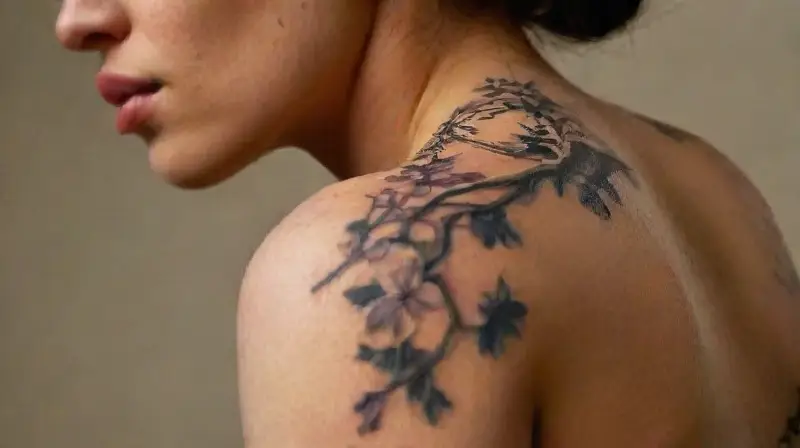
In recent decades, there has been a significant revival of traditional tattoo practices around the world. Many artists and communities are dedicated to preserving these techniques and designs as important cultural heritage. This movement helps keep ancient traditions alive in the modern era.
Educational programs and mentorships now exist to pass on traditional skills to new generations. This effort not only promotes authenticity but also fosters pride and awareness of cultural legacy. It creates a bridge between ancient customs and contemporary art.
Furthermore, the global interest in cultural tattoos has led to broader recognition and appreciation. Many individuals seek authentic designs to connect with their heritage or explore new forms of personal expression. The ongoing revival ensures that these meaningful traditions continue to thrive.
Ethical Considerations and Cultural Respect
As traditional tattoos gain popularity worldwide, it is crucial to approach them with respect and sensitivity. Appropriation of designs without understanding their cultural meaning can be offensive or damaging. Recognizing the significance behind these symbols helps foster respect for their origins.
Respecting cultural ownership involves learning about the history and meaning behind specific tattoos before adopting or emulating designs. Collaborating with artists from the community can also ensure authenticity and appropriateness. Such approaches demonstrate appreciation rather than exploitation.
Promoting awareness and education about cultural tattoos helps prevent misrepresentation and supports the preservation of heritage. Engaging with communities and honoring their traditions enriches the experience for both the individual and the broader cultural landscape. It underlines the importance of respect in cultural exchange.
Conclusion
Traditional tattoos are far more than simple decoration; they embody personal stories and serve as vital cultural symbols. Their intricate designs and powerful meanings connect individuals to their heritage and community, preserving ancient traditions through art.
Recognizing the historical, cultural, and spiritual importance of traditional tattoos allows us to appreciate their value in human society. As these practices continue to evolve, respecting their origins ensures their legacy remains vibrant and meaningful for generations to come.
Leave a Reply