
Throughout history, rituals have played a vital role in marking important transitions within various cultures and religions. Piercings, in particular, have often been incorporated as symbolic acts that signify commitment, identity, or the passage into a new phase of life. These physical modifications serve as tangible representations of spiritual beliefs and societal belonging.
In many traditions, the act of piercing is not merely a form of adornment but a sacred practice grounded in spiritual symbolism. Participants often view these piercings as a way to connect with divine forces, ancestors, or community values, reinforcing the profound significance of initiation ceremonies worldwide.
The Cultural Significance of Piercings
In numerous indigenous societies, piercings hold deep cultural importance, representing rites of passage such as coming of age, marriage, or spiritual awakening. These markings often distinguish individuals within their community, emphasizing their social or spiritual status.
Piercings can symbolize resilience and strength, especially during rigorous initiation rites. Such practices foster a sense of belonging and identity, reflecting the community’s respect for tradition and spiritual continuity.
Piercings as Spiritual Symbols
Many religious traditions incorporate piercing as a means of expressing devotion and spiritual commitment. For example, certain faiths see bodily modifications as a way to demonstrate faith and surrender to the divine will.
These symbolic piercings often carry specific meanings, such as protection from evil, divine blessing, or the awakening of spiritual consciousness. They act as physical manifestations of inner spiritual journeys and religious allegiances.
Initiation Rites in Africa
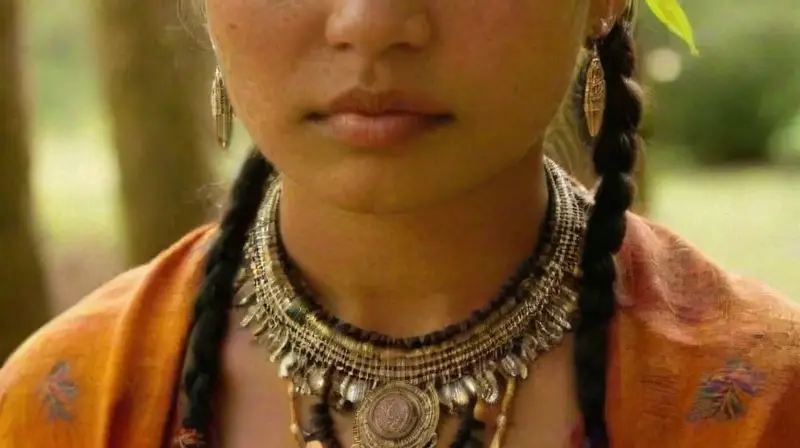
In many African cultures, piercings are an essential element of initiation ceremonies into adulthood or spiritual order. These practices may involve piercing specific body parts like ears, noses, or lips, each with its particular symbolism.
The purpose of these piercings is to forge a sacred connection with ancestors or spiritual forces, marking a significant transition in a person’s life. They also serve to strengthen community bonds and preserve cultural heritage.
Rituals in South Asia
In South Asian traditions, such as Hinduism and Buddhism, piercings are often integral to religious rites and personal devotion. For example, nose piercings are frequently associated with marriage and social status, as well as spiritual purity.
During religious festivals or significant ceremonies, piercing rituals are performed to invoke divine blessings and protect against negative influences. These symbolic acts emphasize harmony between body and spirit in spiritual practices.
Indigenous North American Ceremonies

For many Indigenous North American peoples, piercing rituals are fundamental components of spiritual initiations and healing ceremonies. These piercings often involve ritualistic practices that symbolize strength, sacrifice, and spiritual connection.
Participants may receive piercings as a test of endurance or a mark of spiritual growth. These rites reinforce identity, cultural continuity, and a connection with the natural and spiritual worlds.
The Modern Reinterpretation
In contemporary times, piercings are also adopted within spiritual communities as symbolic acts of personal transformation and spiritual growth. Some individuals choose piercing as a form of self-expression aligned with their spiritual beliefs.
While the traditional ceremonies often involve complex rituals, modern interpretations tend to focus on personal meaning and empowerment. Despite these changes, the symbolic essence of piercing as a spiritual act remains central across many cultures.
Conclusion
Symbolic piercings in religious initiation ceremonies serve as powerful testaments to the deep connection between the physical and spiritual worlds. They act as visible symbols of commitment, spiritual awakening, and cultural identity, enriching the traditions that sustain cultures worldwide.
These practices continue to evolve, blending tradition with personal expression. Nonetheless, the core meaning of piercings as sacred symbols in initiation rituals underscores their enduring significance across diverse spiritual and cultural landscapes.
Leave a Reply