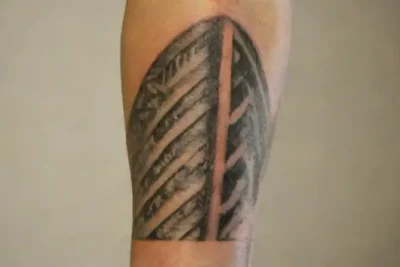
Polynesian cultures boast a rich history of tattooing, a practice that holds deep spiritual and societal significance. These intricate designs are more than just art; they symbolize identity, rank, achievements, and connection to ancestors. For many Polynesian communities, tattoos serve as a mark of belonging, shaping personal and communal narratives.
Throughout centuries, these traditional tattoos have been passed down through generations, preserving cultural heritage and spiritual beliefs. The process of tattooing, often rigorous and sacred, reflects the values and history of each island’s society. Today, these practices continue to inspire both cultural pride and global fascination.
Origins and History
The origins of Polynesian tattooing stretch back thousands of years, making it one of the most ancient body art traditions. Archaeological evidence and oral histories reveal that early Polynesians developed unique tattoo styles that varied from island to island. These tattoos served diverse purposes, ranging from protection spirits to rites of passage.
Historically, tattooing was a highly revered ritual, involving specific ceremonies and strict protocols. Chiefs, warriors, and other important figures were often most prominently tattooed to display their social status and accomplishments. The craft was considered a sacred art, requiring skill, patience, and spiritual dedication from the tattooists.
As Polynesian societies evolved, so did their tattoo styles and meanings. Colonial encounters and modern influences introduced new techniques and designs, but many communities have preserved traditional motifs to honor their ancestors. The history of Polynesian tattooing remains a testament to their deep cultural identity.
Techniques and Tools
Traditional Polynesian tattooing techniques involve unique tools crafted from natural materials. Artisans often used a tattoo comb made from bone or thorn, which they dipped into ink made from soot, ash, or natural pigments. These tools allowed for precise, deliberate placement of ink into the skin.
The process was typically painful, often associated with spiritual purification and rite of passage. The tattoo artist, known as a tufuga, played a crucial role in both the technical and spiritual aspects of tattooing. They would perform extensive preparations and blessing rituals before beginning the work.
Modern techniques have largely replaced traditional methods with electric tattoo machines, but some artists and communities strive to keep the ancestral methods alive. These traditional tools and techniques remain a vital part of cultural expression and craftsmanship in Polynesian societies.
Common Motifs and Symbols

Polynesian tattoos feature a variety of motifs, each carrying specific meanings and symbolic significance. Geometric patterns, such as spirals and triangles, often represent concepts like balance, strength, and continuity. These motifs can be modified to tell personal stories or mark important life events.
Animal and plant symbols are also prevalent, representing qualities like courage, protection, or connection to nature. For example, the shark symbol signifies strength and resilience, while tiki figures embody ancestors and spiritual guardians. The integration of these symbols into tattoos creates a visual language unique to each community.
Designs are highly individualized, blending traditional motifs with personal narratives. Each tattooed pattern acts as a visual map of identity, reflecting the wrap of cultural heritage and individual achievements. This intricate symbolism ensures that each tattoo remains meaningful and culturally rooted.
Cultural Significance
In Polynesian cultures, tattoos are more than mere decorations; they embody cultural identity and social status. For many, getting tattooed is a rite of passage, marking critical transitions such as coming of age, marriage, or victory in battle. These tattoos serve as permanent badges of honor and belonging.
The placement of tattoos on the body also holds symbolic importance. Specific areas are chosen to enhance spiritual protection or to emphasize particular social roles. For example, facial tattoos can denote prestige, while arm or leg tattoos might symbolize strength or protection.
Beyond individual significance, tattoos strengthen community bonds by preserving shared heritage and collective memories. This enduring tradition helps maintain cultural continuity amidst modern influences, fostering a sense of pride and identity for Polynesian peoples.
Modern Revival and Influences

Today, there is a growing revival of traditional Polynesian tattooing practices, driven by cultural pride and the desire to reclaim ancestral heritages. Modern artists often combine traditional motifs with contemporary aesthetics, creating fresh interpretations of age-old designs.
This resurgence is supported by cultural organizations and communities who aim to preserve authentic techniques and meanings. Many Pacific islanders see tattoos as a way to reconnect with their roots and honor their ancestors. This movement has also gained international recognition, inspiring artists worldwide.
However, some debate surrounds the commercialization of Polynesian tattoos, raising concerns about cultural appropriation. Respectful engagement and a deep understanding of the traditions are vital for those seeking to incorporate these designs responsibly. The balance between tradition and innovation continues to shape the ongoing story of Polynesian tattoo art.
Contemporary Cultural and Global Impact
Polynesian tattoos have become a global symbol of cultural identity and artistic expression. They are celebrated in fashion, media, and popular culture, often representing strength, spirituality, or belonging. This international presence has helped raise awareness of Polynesian heritage and tradition.
Many non-Polynesian enthusiasts pursue tattoos inspired by these cultures, sparking important conversations about respect and cultural appreciation. Authentic tattooing remains deeply rooted in community and spiritual meaning, which is sometimes overlooked in mainstream representations.
Despite global influence, indigenous communities emphasize the importance of respecting cultural protocols and sacred symbols. When done thoughtfully and ethically, Polynesian-inspired tattoos can serve as a powerful bridge between worlds, fostering mutual understanding and appreciation of their rich heritage.
Conclusion
Traditional Polynesian tattoos are a profound expression of cultural identity, embodying history, spirituality, and societal values. Maintaining these ancient practices allows communities to honor their ancestors and preserve their unique heritages amid a rapidly changing world.
As these tattoos continue to gain recognition worldwide, it is essential to approach them with respect and cultural sensitivity. The respectful revival and adaptation of these art forms can help ensure their survival for future generations while celebrating their enduring meaning and beauty.
Leave a Reply