
Tattoo artistry is a vibrant and evolving craft that reflects the rich tapestry of human cultures around the world. From traditional tribal markings to modern, avant-garde designs, tattoo artists serve as cultural ambassadors, conveying stories, beliefs, and histories through their work. This diversity highlights not only technical skills but also deep-rooted heritages that influence styles and symbolism.
Across the globe, tattoo artists are increasingly embracing multicultural influences, blending customs and techniques to create unique pieces. This fusion fosters a sense of global connection and promotes understanding of different cultural narratives. As the art form continues to grow, it’s clear that tattooing is much more than skin-deep; it’s a celebration of diversity and identity.
The Origins of Traditional Tattoos
Traditional tattoos have served many purposes across various cultures, often associated with rites of passage, social standing, or spiritual protection. Indigenous tribes in Africa, Polynesia, and the Americas each have distinctive styles that tell stories of ancestry and tradition. These designs are meticulously crafted, often using specific symbols with revered meanings.
Artists specializing in traditional styles dedicate themselves to preserving these ancient techniques. They study historical methods and symbolism to ensure authenticity. Their work respects and continues a cultural legacy that has been passed down through generations, maintaining a connection to their ancestral roots.
Many of these tattoo artists are community custodians, consciously keeping alive their cultural heritages. They often work closely with elders and cultural leaders to ensure the true meaning and significance of the designs are honored. The preservation of these traditional styles is vital to maintaining cultural identity in a rapidly changing world.
Modern Fusion and Cross-Cultural Collaborations
Contemporary tattoo artists are increasingly exploring fusion styles, combining elements from different cultures to create innovative designs. This cross-pollination allows artists to pay homage to multiple heritages and express their artistic vision. It results in highly personalized tattoo pieces that celebrate global diversity.
Collaborations between artists from different backgrounds are becoming common, fostering an atmosphere of mutual respect and learning. These partnerships often lead to the development of new techniques and motifs, broadening the artistic horizons of tattooing as a whole. Such interactions enrich the culture of tattoo art, making it more inclusive.
This blending of styles can sometimes raise questions about cultural appropriation. However, when approached with respect and understanding, cross-cultural collaborations can promote dialogue and appreciation rather than misappropriation. Artists are increasingly aware of their responsibility to honor the origins of the symbols they use.
Indigenous and Tribal Tattooing Today
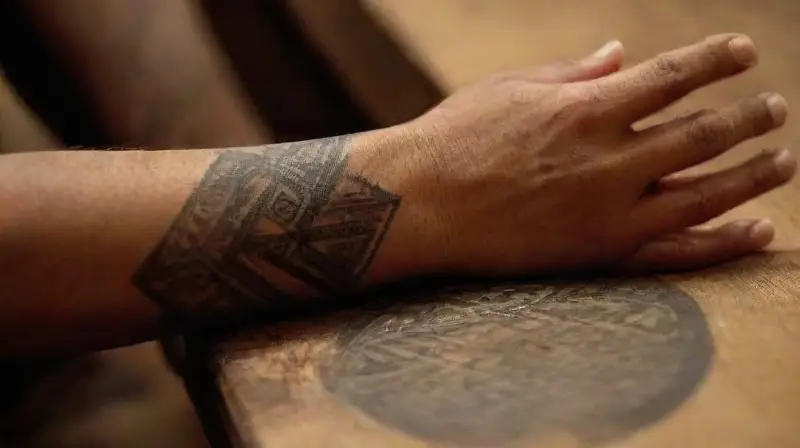
Many indigenous and tribal communities are reclaiming and revitalizing their traditional tattoo practices in recent years. These practices are no longer solely symbols of cultural identity but also acts of resistance against cultural erosion. Indigenous artists use tattooing to maintain a connection to their heritage and to assert their sovereignty.
Modern indigenous tattoo artists often work to educate others about the significance of their designs and methods. They incorporate contemporary techniques while ensuring that the cultural roots are preserved and respected. Their work helps foster pride within their communities and raises awareness globally.
It is essential to approach indigenous tattoos with sensitivity and respect. Many artists prioritize cultural authenticity and collaborate with community elders to ensure their work aligns with traditional beliefs. Revitalizing these styles contributes to a broader appreciation of cultural diversity and history.
The Role of Cultural Symbols in Modern Tattoos
Cultural symbols have become popular motifs in the modern tattoo world, serving as expressions of personal identity and belief. Many individuals choose symbols that resonate with their backgrounds or life experiences. Tattoo artists skilled in different styles can translate these symbols into personal artworks.
Understanding the meaning behind symbols is crucial for both artists and clients to prevent misinterpretation or disrespect. Culturally significant motifs should be approached with care, ensuring the representation is appropriate. Responsible artists often educate clients about the origins of the symbols they select.
This practice fosters a deeper appreciation of cultural diversity in the tattooing community. It encourages dialogue around the significance of meaningful symbols and helps bridge cultural gaps. When used thoughtfully, cultural symbols in tattoos can become powerful artifacts of identity and respect.
The Impact of Globalization on Tattoo Styles
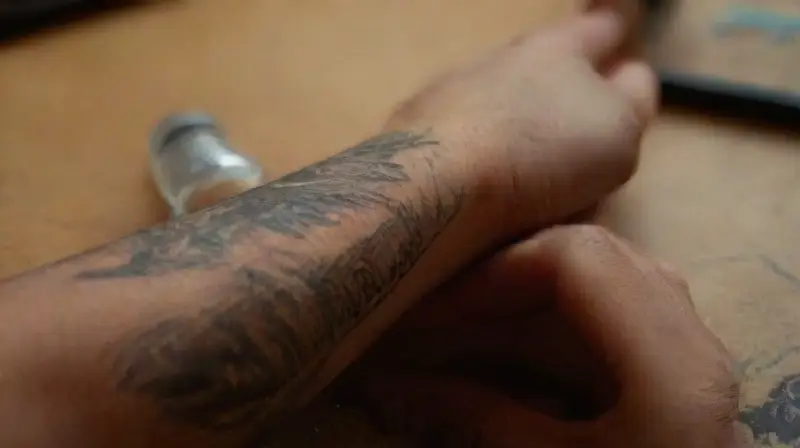
Globalization has dramatically expanded the reach of tattoo styles, allowing artists to access a wide range of influences from different regions. This interconnectedness fosters experimentation and the emergence of hybrid styles that blend traditional and contemporary techniques. As a result, the tattoo industry becomes a melting pot of cultural expressions.
While globalization promotes creative freedom, it also presents challenges concerning cultural appropriation and appreciation. Artists and clients alike need to be conscious of the origins of the motifs they choose. Promoting awareness and respectful engagement is essential to honor cultural roots.
Many tattoo artists now actively advocate for ethical practices, emphasizing the importance of learning about the cultural significance behind symbols. By valuing authenticity and cultural sensitivity, the industry can continue to grow in a respectful and inclusive manner.
Ethical Considerations and Respect for Cultures
Respecting cultural heritage is a cornerstone of ethical tattooing practices. Artists should prioritize understanding the significance of symbols and designs rooted in tradition before incorporating them into their work. This approach helps prevent cultural misappropriation and ensures that respect remains central.
Many tattoo professionals advocate for educating clients about the meaning behind cultural motifs. This knowledge empowers individuals to make informed and respectful choices about their tattoos. It also encourages appreciation rather than misuse of cultural elements.
Ultimately, fostering a culture of respect and sensitivity promotes a more inclusive tattoo community. By honoring cultural diversity and working collaboratively with communities, tattoo artists can contribute positively to the ongoing dialogue around cultural identity and artistic expression.
Conclusion
The world of tattoo artistry is a vibrant reflection of cultural diversity, showcasing a myriad of traditions, symbols, and styles. As artists continue to explore and integrate different influences, the art form becomes more inclusive, respectful, and innovative. This evolution exemplifies how cultural exchange can enrich creative expression while honoring its roots.
Moving forward, it is vital for the tattoo community to prioritize respect and authenticity in all their practices. By doing so, they can ensure that tattooing remains a powerful medium for cultural storytelling, connection, and self-identity. Embracing diversity with understanding and sensitivity will only help the art form flourish in a respectful and meaningful way.
Leave a Reply