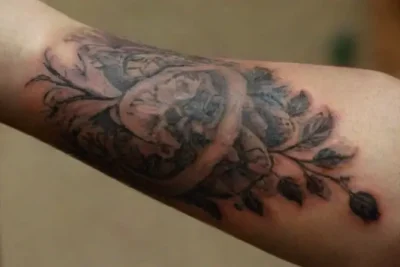
Gothic tattoos have become a prominent form of self-expression for many enthusiasts around the world. Rooted in the dark, mysterious, and romantic elements of Gothic culture, these designs often feature intricate patterns and iconography that tell stories of depth and shadow. The popularity of Gothic tattoos stems from their ability to convey complex emotions and themes such as mortality, spirituality, and rebellion.
The allure of Gothic tattoo art lies in its ability to blend elegance with a sense of darkness. Artists incorporate a wide array of symbols, ranging from skulls and bats to roses and gargoyles, creating a distinctive visual language. For many, these patterns serve as a tribute to Gothic aesthetics and a celebration of individuality and non-conformity.
Gothic Crosses and Religious Symbols
Gothic tattoos frequently feature crosses, which symbolize faith, sacrifice, and salvation. These designs are often elaborately decorated with ornate patterns and filigree, reflecting the architectural grandeur of Gothic cathedrals. The detailed craftsmanship involved in these tattoos echoes the intricate stained glass windows and stone carvings of Gothic churches.
In addition to the traditional Christian cross, Gothic artists explore a variety of religious symbols such as angels, demons, and sacred hearts. These elements are often combined with other imagery to represent spiritual struggles, inner conflict, or divine protection. Many believers choose these motifs to express their personal faith or spiritual journey in a visually compelling way.
Gothic religious symbols can also be subtle or overt, depending on the wearer’s preference. Some opt for small, discreet designs tucked behind the ear, while others prefer large, elaborate pieces covering entire limbs. The versatility of these motifs makes them a popular choice for tattoo enthusiasts seeking both aesthetic beauty and meaningful symbolism.
Skulls and Mortality
Skulls are one of the most recognizable symbols in Gothic tattoo art, representing mortality, the fleeting nature of life, and the acceptance of death. Artists often depict them with elaborate decorations or combined with floral motifs to soften their grim symbolism. This contrast between life and death is central to Gothic aesthetics.
These designs can range from realistic depictions to stylized, abstract forms, allowing for a wide range of artistic expression. Some people choose skull tattoos as a reminder to live fully and embrace the transient nature of existence. Others see them as symbols of resilience, having survived hardships or personal struggles.
In Gothic culture, skulls often carry a deeper philosophical meaning, emphasizing the importance of embracing mortality and cherishing every moment. They’re sometimes integrated with clocks, feathers, or wings to further symbolize the passage of time and the soul’s journey beyond death. The versatility and profound symbolism make skulls a timeless motif in Gothic tattooing.
Gothic Architecture and Cathedrals
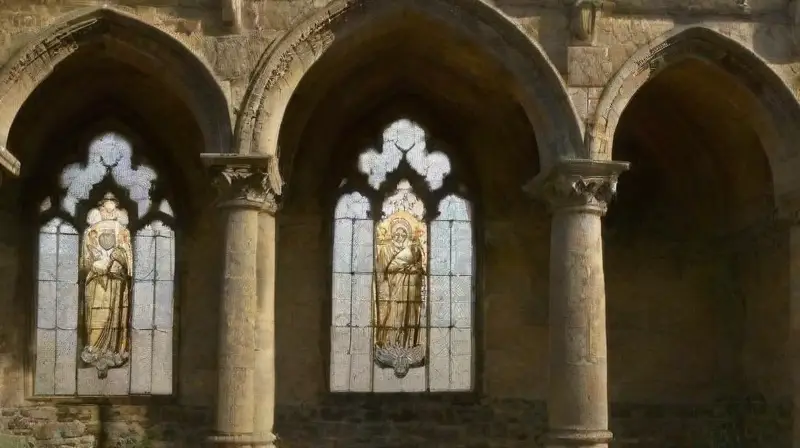
The grandeur of Gothic architecture provides a rich source of inspiration for tattoo artists. Elements such as pointed arches, ribbed vaults, and flying buttresses are transformed into intricate, flowing patterns on the body. These designs often symbolize spirituality, strength, and the pursuit of higher knowledge.
Tattooing Gothic cathedral features allows artists to mimic the elaborate stained glass windows and stone carvings, creating mesmerizing portraits that evoke a sense of awe. Many enthusiasts choose to incorporate elements of Gothic cathedrals to reflect their admiration for medieval artistry and craftsmanship.
These architectural motifs can be integrated with other symbols like roses, gargoyles, or ecclesiastical iconography to create complex, layered designs. The combination of structural beauty and symbolic meaning results in tattoos that are not only visually stunning but also rich in historical significance. For many, they serve as a tribute to Gothic heritage and its artistic legacy.
Mythical Creatures and Symbols
Gothic tattoo art also draws heavily from mythical creatures such as vampires, banshees, and fallen angels. These beings often symbolize rebellion, the supernatural, and the darker aspects of human nature. Their detailed representations showcase the art’s ability to blend fantasy with Gothic symbolism.
Vampires, for instance, are frequently depicted with an air of seduction and danger, embodying themes of immortality and forbidden desires. Banshees, on the other hand, symbolize impending death and the spirit world, creating a haunting yet captivating image. Fallen angels represent rebellion against divine authority and are often shown with tattered wings or somber expressions.
In addition to these creatures, symbols like serpents, ravens, and bats are common. These animals are associated with mystery, wisdom, and transformation, fitting seamlessly into Gothic tattoo themes. Their presence adds layers of meaning to each design, making Gothic tattoos both visually arresting and symbolically rich.
Dark Romanticism and Symbolic Roses
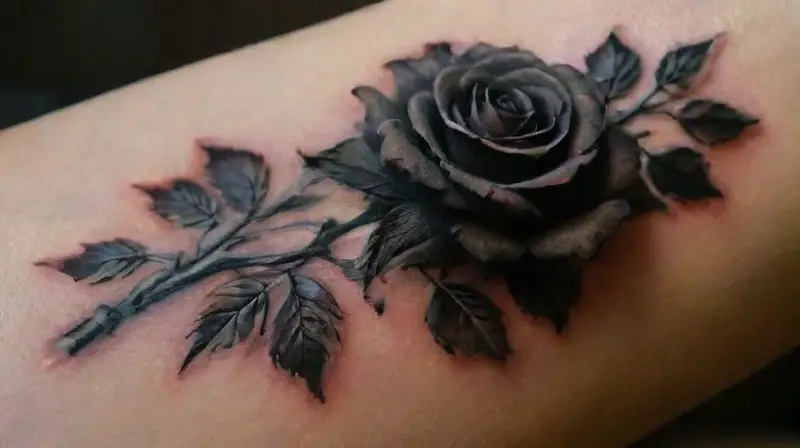
The theme of romanticism intertwined with darkness is a hallmark of Gothic tattoo art. Roses, especially black or deep red varieties, symbolize love, beauty, and pain. They often appear with thorns, emphasizing the dual nature of attraction and suffering intrinsic to Gothic aesthetics.
Dark romantic motifs evoke themes of longing, loss, and the pursuit of eternal love. Artists may combine roses with skulls, butterflies, or mourning symbols to further highlight the fragile balance between life and death. These designs often serve as a reminder of the transient nature of beauty and happiness.
The symbolic use of flowers like roses allows for highly personalized tattoos. Each element can embody specific emotions or memories, making these patterns deeply meaningful for the wearer. The blend of romantic and darker elements creates compelling visuals that resonate with Gothic sensibilities.
Gothic Script and Typography
In Gothic tattoo art, script and typography play a significant role in conveying messages and personal mantras. Medieval-style fonts, ornate lettering, and calligraphic scripts are commonly used to inscribe meaningful words or phrases. These textual elements often complement the visual symbols and complete the narrative of the tattoo.
Designers combine lettering with icons such as crosses, skulls, or floral patterns to enhance the overall aesthetic. The intricate details of Gothic typography add a layer of complexity and elegance to the design, making it both a piece of art and a statement.
Many individuals choose to tattoo personal mottos, names, or dates in this style to capture memories or honor loved ones. The use of Gothic script ensures that the message remains timeless and visually aligned with the rest of the Gothic motif, reinforcing the tattoo’s thematic unity.
Conclusion
Gothic tattoo patterns and iconography offer a captivating blend of symbolic meaning, artistic expression, and aesthetic appeal. They serve as a powerful way for individuals to showcase their connection to Gothic culture, spirituality, and personal philosophy. The richness of these designs lies in their ability to incorporate historical, mythological, and emotional elements into visually stunning compositions.
For many enthusiasts, Gothic tattoos are more than just body art — they are a reflection of their inner darkness, romantic ideals, and rebellious spirit. The intricate patterns and meaningful symbols create tattoos that are unique, profound, and timeless. As the Gothic subculture continues to evolve, so too will the creative possibilities for these captivating designs.
Leave a Reply