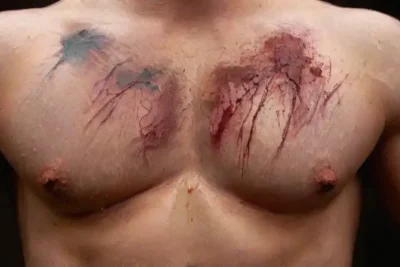
Abstract Expressionism, an influential art movement that emerged in the mid-20th century, revolutionized the way artists approached form, color, and emotional expression. Its emphasis on spontaneous, visceral creation inspired not only traditional painting but also other art forms, most notably body art. Artists sought to transcend conventional boundaries, using the human body as a canvas to embody abstract emotional states and personal narratives.
This movement’s core principles—freedom, introspection, and raw expression—have profoundly impacted contemporary body art practices. By embracing improvisation and emotional intensity, body artists have developed innovative techniques that push the limits of visual identity and vulnerability. The legacy of Abstract Expressionism continues to shape how artists perceive the relationship between body and meaning.
Historical Roots and Artistic Principles
Abstract Expressionism originated in New York City during the 1940s, led by pioneers such as Jackson Pollock and Willem de Kooning. Its focus was on creating emotionally charged, non-representational works that prioritized process over finished product. This approach broke away from traditional art forms, emphasizing spontaneity and individual expression.
The movement’s artistic principles revolve around spontaneity, improvisation, and personal identity. Artists often used unconventional techniques, like dripping or splattering paint, to convey mood and subconscious thoughts. These ideas laid a foundation for alternative art forms, inspiring body artists to explore similar impulses of physical and emotional release.
The Human Body as Artistic Canvas
In body art, the human body becomes both the medium and the message. Inspired by Abstract Expressionism, artists began to treat the body as an extension of their emotional landscape. Through various techniques—such as painting, sculpting, or performance—the body is transformed into a living, breathing canvas.
This approach emphasizes personal authenticity and physicality. The body’s natural imperfections and vulnerabilities are celebrated as expressive tools, echoing the movement’s rejection of formal perfection. Artists use their own bodies or models’ to evoke raw, visceral reactions from viewers.
Techniques and Materials Inspired by Abstract Expressionism
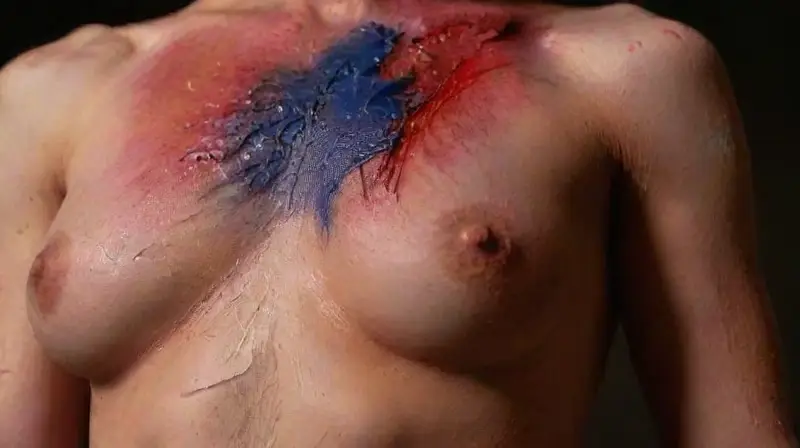
Body art techniques influenced by Abstract Expressionism often involve spontaneous, gestural marks. Artists employ brush strokes, splashes, or dripping paint directly onto the skin or through tools like brushes and sponges. These methods seek to capture a sense of immediacy and emotional urgency.
Materials used range from traditional paints to natural substances like mud, blood, or plant extracts, adding to the sensory and visceral experience. The physicality of applying these materials to flesh echoes the movement’s emphasis on process and emotion over static form.
Performance and Ritual in Body Art
Performance plays a central role in body art inspired by Abstract Expressionism. Artists often engage in live actions that emphasize spontaneity and physical interaction. These performances serve as a form of emotional catharsis, akin to Abstract Expressionist paintings created in-the-moment.
Ritualistic elements are frequently incorporated, transforming body art into a spiritual or transformative act. The act of creating or participating becomes a way to confront inner truths and external expectations, blurring the boundaries between art, life, and ritual.
Cultural and Social Implications

Body art influenced by Abstract Expressionism raises important questions about identity, freedom, and societal norms. By using their bodies as expressive tools, artists challenge conventional notions of beauty, control, and conformity. This act of self-representation often confronts viewers with raw, unfiltered truths.
The movement encourages dialogue on autonomy and self-ownership, especially within marginalized communities. It also sheds light on issues of vulnerability, consent, and the politics of visibility, making body art a powerful medium for social commentary.
Contemporary Influences and Evolution
Today, the legacy of Abstract Expressionism in body art is evident in diverse practices such as tattooing, live performances, and experimental installations. Many contemporary artists continue to explore spontaneous, emotionally driven work that pushes physical and conceptual boundaries.
Advancements in technology, such as digital manipulation and augmented reality, further expand the possibilities for expressive body art. This evolution ensures that the movement’s core values—freedom, authenticity, and emotional depth—remain central to new generations of artists.
Conclusion
Abstract Expressionism’s focus on spontaneity and emotion has deeply influenced body art, transforming it into a dynamic and visceral form of self-expression. By embracing imperfections and the raw physical presence, artists have created powerful works that challenge societal norms and provoke meaningful dialogue.
This enduring legacy demonstrates how abstract emotions can be embodied physically, bridging the gap between inner experience and outward manifestation. As body art continues to evolve, the principles of Abstract Expressionism remain a vital source of inspiration for those seeking authentic and impactful artistic expression.
Leave a Reply