
Tattoos have long been considered a form of artistic expression, with countless styles and techniques developing over centuries. Among these, line work is fundamental, providing structure and clarity to the overall design. Whether creating intricate details or bold outlines, mastering various line techniques is essential for any tattoo artist aiming to produce high-quality work.
For enthusiasts and professionals alike, understanding the nuances of line work can enhance appreciation for craftsmanship and influence design choices. Different techniques offer distinct visual effects, durability, and styles, making it crucial to choose the appropriate method for each project. This guide aims to explore the main line techniques used in tattoo artistry and their unique characteristics.
1. Fine Lines
Fine line techniques involve the use of thin needles to produce delicate, precise lines. This approach is often employed in detailed and realistic tattoos, where subtle shading and intricate details are required. Artists must have advanced control over their equipment to achieve smooth, consistent lines without blurring or bleeding.
Working with fine lines requires patience and a steady hand. The slightest movement can affect the quality of the line, making it a technique that demands skill and experience. Fine line work is particularly popular for portrait tattoos, floral designs, and geometric patterns.
Durability is a consideration with this technique, as thinner lines may fade faster over time. Proper aftercare and high-quality inks can extend the longevity of fine line tattoos. Overall, this technique is favored for its elegance and ability to convey detailed artistry within a small space.
2. Bold Lines
Bold line techniques utilize thick needles and high ink saturation to create prominent, striking outlines. This style is often associated with traditional tattoo art, such as Americana, Japanese Irezumi, or neo-traditional designs. The bold lines help the tattoo stand out clearly over time and maintain its visual impact.
Creating bold lines requires confidence and precise execution. The artist must apply consistent pressure to produce uniform strokes without uneven edges or blowouts. The result is a rugged, confident outline that enhances the overall composition.
In terms of durability, bold lines tend to age better, resisting fading and blurring much longer than finer lines. They also serve as a strong foundation for color work or shading, making this technique highly versatile. Overall, bold lines are essential for creating impactful tattoos with timeless appeal.
3. Script and Lettering
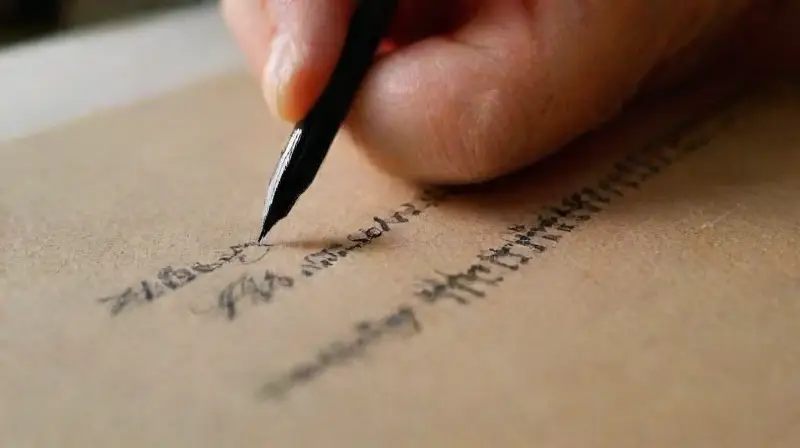
Script or lettering tattoos involve the artistic rendering of words and phrases using various line techniques. Precision and clarity are vital, as legibility must be maintained even as the tattoo ages. Artists often combine fine lines for detailing with bolder strokes for emphasis within lettering designs.
The challenge in script work lies in maintaining consistent line weight and flow. Smooth curves, even spacing, and proper letterform proportions contribute to a professional appearance. Correctly executing these details ensures that the text remains readable and aesthetically pleasing.
Line techniques in lettering can vary from delicate, intricate fonts to more substantial, bolder scripts. The choice depends on the intended style and message. Skilled tattoo artists can use a combination of techniques to create personalized, impactful text tattoos that endure through time.
4. Geometric Lines
Geometric tattoos rely heavily on precise, clean line work to form symmetrical shapes and patterns. These designs often feature repetitive motifs, such as mandalas, tessellations, and polygonal art. The ability to produce consistent, crisp lines is crucial for maintaining symmetry and visual harmony.
Creating geometric line tattoos requires meticulous planning and measurement. Artists typically use stencils and rulers to ensure accuracy before inking. Once the design is transferred, the execution demands steady hands and consistent line thickness.
The aesthetic appeal of geometric tattoos lies in their clarity and order. They emphasize proportion, balance, and mathematical beauty, making mastery of various line techniques essential. These tattoos often age well, as the distinct, bold lines resist blurring over time.
5. Dotwork
Dotwork is a unique line technique that involves creating images using only tiny, carefully placed dots. This method produces a textured, gradient-like effect that adds depth and shading through varying dot density. It’s often used in spiritual, mandala, or abstract designs.
Artists must have exceptional control over their equipment to place dots accurately and uniformly. The process can be time-consuming, but it results in highly detailed and visually compelling artwork. Dotwork can also be combined with other line techniques to enrich the design.
Durability and longevity depend on the density and distribution of the dots, but generally, dotwork tattoos age well. They tend to retain their clarity longer than some shading techniques, making them popular for intricate and subtle artistry.
6. Contour and Outline Techniques

Contour work focuses on defining the edges and shapes within a tattoo, emphasizing the flow of the design. This technique involves creating continuous, smooth lines that follow the natural curves of the body or the design itself. It is essential for establishing the overall structure of a tattoo.
Maintaining consistent line weight and smoothness is key in contour work. Artists often use lighter needle configurations to keep lines fluid and avoid overly thick edges that could distort the design. Contour techniques are widely used in combination with other methods to enhance realism and dimension.
The clean outlines produced through contour work contribute significantly to the tattoo’s longevity. Well-executed contours prevent the design from blurring over time, ensuring the tattoo remains sharp and visually appealing for years to come.
7. Textured and Organic Lines
This technique mimics natural textures like wood grain, fur, or foliage by varying line thickness and direction. Organic line techniques introduce a dynamic, lively quality to tattoos, often used in more artistic or illustrative styles.
Creating these lines requires an artist to have a keen sense of visual flow and variation. Combining different line weights and directions helps simulate natural forms and textures effectively. This approach adds depth and movement to otherwise flat designs.
Tattoos with textured and organic lines tend to age uniquely, with the variation in line quality allowing for some fading without loss of integral detail. This technique is perfect for art styles that aim to replicate natural elements or convey a sense of life within the design.
Conclusion
Understanding and mastering different line techniques are fundamental for tattoo artists to produce diverse and high-quality designs. Each method carries its own set of challenges and benefits, influencing the overall aesthetic and longevity of the artwork. By selecting the appropriate line technique, artists can bring their creative visions to life more effectively and ensure their work endures over time.
For enthusiasts, recognizing these techniques enhances appreciation for the craftsmanship behind tattoos. Whether opting for delicate fine lines or bold outlines, knowing the characteristics of each style helps in making informed choices. Ultimately, mastering line work is a cornerstone of professional tattoo artistry and artistic expression in body art.
Leave a Reply