Body piercings have long been a form of personal expression and cultural tradition. In recent years, the combination of various artistic styles has transformed the way we view body modification. Among these, the integration of dotwork into geometric piercings offers a unique aesthetic that draws attention to intricate details and precision. This innovative approach enhances the visual impact of piercings, making them stand out as wearable art.
Artists and enthusiasts alike are constantly exploring new techniques to elevate body jewelry. Dotwork, with its precise pointillist technique, lends a rich texture and depth to geometric designs. When combined, these methods create compelling visual narratives that blend structure with delicate artistry. This fusion opens up endless possibilities for creativity, personal meaning, and style.
Understanding Dotwork
Dotwork is a tattooing and artistic style characterized by the use of tiny, closely packed dots. This method allows for detailed shading and the creation of gradients without traditional line work. Dotwork is often associated with spiritual or symbolic images, and it provides a soft, textured look that contrasts with bold lines.
In the context of body piercings, dotwork can be used to enhance geometric shapes such as triangles, circles, and lines. Artists manipulate the density of dots to create shadows and highlights, giving the piercing a three-dimensional appearance. This technique requires a high level of precision and patience, making it a favored choice for detailed and symmetrical designs.
The art of dotwork originated in various cultures, including traditional mandalas in Hindu and Buddhist art. Its application in body modifications adds a layer of cultural significance, blending modern aesthetics with ancient techniques. As a versatile style, dotwork pairs beautifully with minimalistic and elaborate geometric piercings alike.
Geometric Body Piercings: An Overview
Geometric piercings emphasize symmetry and precise shapes, often involving triangles, squares, and polygons. These designs are chosen for their mathematical and visual appeal, creating a sense of order in body artworks. They can be incorporated into various body parts, including the ears, face, and even the torso.
Such piercings tend to focus on clear lines and clean forms that can be enhanced through different artistic techniques. When combined with dotwork, the sharpness of geometric shapes gains additional depth and texture. This partnership of structure and artistry results in innovative and stunning visual effects.
The popularity of geometric piercings stems from their versatility and symbolism. Many see geometric shapes as symbols of stability, harmony, or spirituality. Their precision makes them ideal canvases for intricate dotwork patterns, allowing for personalized and meaningful designs that resonate with the wearer.
Benefits of Combining Dotwork with Geometric Piercings
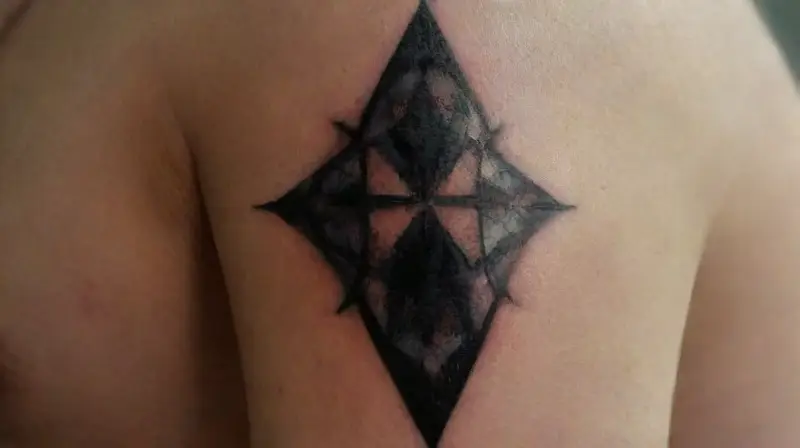
This fusion offers a visual richness that is both subtle and striking. Dotwork adds a soft texture to the crisp lines of geometric designs, creating an engaging contrast. When executed well, these piercings become highly aesthetic and deeply expressive works of art.
One significant benefit is the enhanced detail and depth the combination provides. Dotwork can simulate shading and dimensionality, giving flat geometric shapes a 3D effect. This makes the piercing more dynamic and captivating, drawing viewers’ attention.
Additionally, integrating dotwork can elevate a simple geometric piercing into a meaningful statement. The technique allows for the creation of complex patterns that can symbolize personal beliefs, cultural heritage, or individual stories. As a result, these piercings hold greater emotional and aesthetic significance.
Choosing the Right Materials and Techniques
Selecting the appropriate jewelry is crucial to complement the artistic style. Fine, precise tools and high-quality materials ensure durability and safety, especially when applying intricate patterns like dotwork. The materials also influence how well the design maintains its integrity over time.
For artists, mastering techniques such as shading with dots and maintaining symmetry is essential. They employ specialized tools, including fine-tipped needles or pens for creating consistent dots. Proper training and experience reduce the risk of imperfections and ensure the detailed designs come to life accurately.
Clients should seek professionals with experience in combining artistic styles like dotwork with body piercings. It’s important to discuss design possibilities, materials, and aftercare routines to preserve the beauty and health of the piercing. Ultimately, proper tools and skillful execution are key to achieving stunning results.
Artistic and Cultural Significance
The integration of dotwork into geometric piercings carries profound artistic significance. It showcases a blend of traditional craftsmanship and modern design that appeals to diverse aesthetic preferences. For many, this combination highlights a desire to incorporate symbolism and personal meaning into body modifications.
Culturally, dotwork has roots in spiritual and religious artforms prevalent in various societies. When incorporated into body art, it can act as a homage to ancestral techniques or beliefs. In this way, piercings serve not only as adornment but also as expressions of identity and heritage.
The cultural significance elevates these piercings from mere decoration to statements of connection, spirituality, or personal journey. Artists often collaborate with clients to design pieces that embody meaningful symbols, reinforcing the emotional and cultural narratives behind the art.
Maintenance and Longevity
Proper care is essential to maintain the integrity of dotwork geometric piercings. Because of the intricate designs, any damage or fading can diminish the visual impact. Following aftercare instructions carefully helps ensure the piercing remains vibrant and healthy.
Over time, scarring or pigment loss can occur if the piercing area is not properly maintained. Using suitable skincare products and avoiding excessive exposure to sunlight can prolong the appearance of the design. Regular touch-ups may be necessary to restore the original artistry.
Choosing skilled professionals for both piercing and design application is vital for longevity. They can advise on the best materials and techniques to preserve the dotwork’s detail and durability. With proper care, such piercings can remain stunning and meaningful for many years.
Conclusion
Incorporating dotwork into geometric body piercings offers a captivating blend of artistry and craftsmanship. This combination transforms simple jewelry into complex, textured designs that reflect personal style, cultural heritage, and artistic expression. The detail and depth achieved through this technique elevate body modifications to new artistic heights.
For those seeking a unique and personalized body statement, these piercings provide an exceptional canvas. When executed with the right materials and skill, they can be timeless pieces that hold meaningful significance and showcase dedication to both technique and aesthetics. Embracing this fusion allows for a deeper appreciation of body art as a powerful form of self-expression.
Leave a Reply