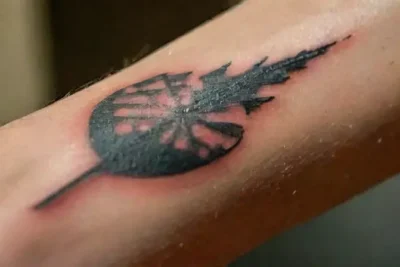
Getting a blackwork tattoo is a bold choice that can transform the way you express your personal style. Many enthusiasts are drawn to the striking, solid black designs that stand out on the skin, but one aspect often concerns first-timers: the pain involved. Understanding the pain levels associated with blackwork tattoos can help you prepare mentally and physically for the experience.
While tattoos are generally considered a form of body art, the pain experienced varies depending on the placement, size, and individual pain threshold. Blackwork tattoos tend to be more intense in certain areas due to their dense ink coverage, leading many to wonder whether the aesthetic appeal outweighs the discomfort. We’ll explore various factors influencing the pain levels in blackwork tattooing and how to manage them effectively.
Location and Placement
The location of a tattoo plays a significant role in how much pain you’ll experience. Areas with thinner skin, closer to bones, or with higher nerve density tend to be more sensitive and may cause increased discomfort. For example, spots like the ribs, collarbones, and ankles are usually more painful than fleshier areas like the thighs or upper arms.
Blackwork tattoos often cover larger areas, which may mean more time under the needle. The dense ink saturation can also add to the pain due to the longer periods of intense stimulation. Choosing an appropriate placement can help manage discomfort; regions with more muscle and fat might offer a more tolerable experience.
A skilled tattoo artist can advise on placement to minimize pain while achieving your desired design. Strategic positioning not only helps with pain management but also enhances the overall look and longevity of the tattoo. Always consider your pain threshold when selecting the location for your blackwork piece.
Size of the Tattoo
The size of your blackwork tattoo directly impacts the pain level you’ll endure. Larger designs require extended sessions, which can lead to increased discomfort due to prolonged exposure to needle stimulation. This is especially true for intricate blackwork pieces that involve precise, dense ink coverage.
Smaller tattoos might be more manageable for those experiencing apprehension about pain. They allow for shorter sessions, making the process more tolerable and less overwhelming. However, some may find smaller areas less painful because of their minimal scope.
It’s crucial to communicate with your tattoo artist about your pain limits and schedule multiple sessions if needed. Breaking the process into smaller parts not only helps with acclimatization but also ensures each session remains within your comfort zone while achieving your overall design goals.
Technique and Equipment
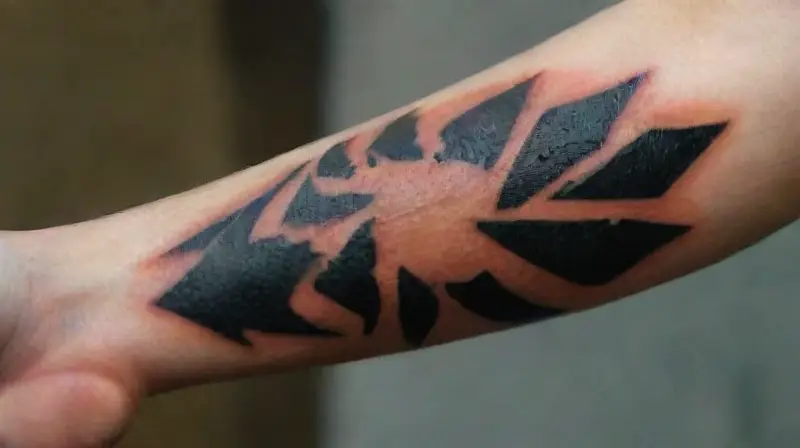
The technique used by the tattoo artist and the quality of equipment can influence the level of pain experienced. Skilled artists employ various methods to minimize discomfort, such as adjusting needle depth and speed to optimize the process. Using high-quality, sharp needles reduces tissue trauma, making the session less painful.
Different shading techniques are also associated with different pain levels. Blackwork often involves solid, dense fills that require consistent, deep needle penetration. However, some artists utilize shading methods that distribute ink differently, potentially easing discomfort.
Investing in a professional artist with experience in blackwork ensures a smoother process. Their expertise helps in reducing unnecessary pain by employing advanced techniques and proper equipment. Clear communication about pain thresholds during the session can further improve the experience.
Duration of the Session
The length of your tattoo session has a direct relationship with pain levels. Longer sessions mean sustained stimulation of nerve endings and skin tissues, which can lead to increased discomfort. For extensive blackwork designs, multiple sittings might be necessary to allow healing and reduce pain.
Taking breaks during lengthy sessions can help manage pain and fatigue. Communicating with your artist to schedule appropriate rest periods ensures you remain comfortable throughout the process. Hydration and good nutrition beforehand also assist in tolerating longer tattoo sessions.
A gradual approach, spreading out large blackwork designs over several appointments, allows your skin to recover and reduces cumulative discomfort. Prioritizing your comfort can lead to a more positive tattoo experience overall.
Pain Tolerance
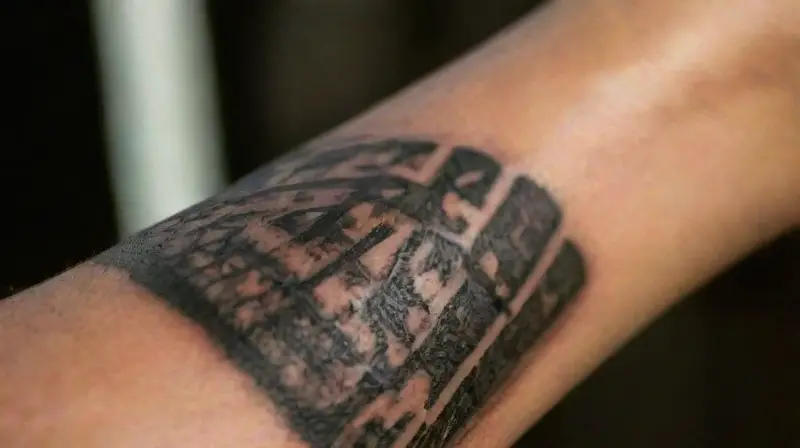
Each individual’s pain tolerance varies significantly, affecting their experience with blackwork tattoos. Some people may find the dense ink saturation and needle penetration tolerable, while others may feel uncomfortable even during small sessions. Recognizing your own threshold helps in planning and managing expectations.
Preparing mentally through relaxation techniques or distraction methods can be beneficial in enduring the pain. Additionally, some artists recommend over-the-counter pain relievers (after consulting with a healthcare professional) to ease discomfort during the session.
It’s important to listen to your body and communicate openly with your tattoo artist about any excessive pain. Taking breaks, staying hydrated, and maintaining a positive mindset all contribute to a more manageable tattooing experience.
Pain Management Options
There are various ways to manage pain during a blackwork tattoo session. Topical anesthetics can numb the skin temporarily, potentially reducing discomfort during the procedure. However, their effectiveness varies, and some artists advise against their use because they can affect ink deposition or cause allergic reactions.
Deep breathing, visualization, and listening to music are non-invasive methods that can help distract you from the pain. Ensuring you are well-rested and nourished before your appointment also helps your body handle discomfort better.
Consulting with your tattoo artist about pain management options in advance can help tailor strategies suited to your needs. Remember that some level of discomfort is normal and often expected, but proper planning can make the experience more tolerable.
Conclusion
While blackwork tattoos can be highly rewarding aesthetically, it’s essential to understand the pain associated with the process. Factors such as placement, size, technique, and individual pain thresholds significantly influence the overall experience. Proper planning, open communication, and choosing skilled artists can dramatically reduce discomfort.
Ultimately, the pain involved in blackwork tattooing varies from person to person, but with the right approach, it can be a manageable part of achieving your desired body art. Embracing the process, being prepared, and respecting your limits will ensure that you walk away with not only a striking tattoo but also a positive experience.
Leave a Reply