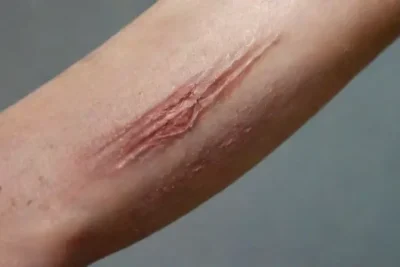
Tattoo removal treatments have gained popularity as many individuals seek to eliminate unwanted ink from their skin. Advances in dermatological technology now provide various options, from laser treatments to other methods, making removal more accessible and effective. However, like any medical procedure, tattoo removal is not without potential risks and side effects.
Understanding the common side effects associated with these treatments is essential for anyone considering removal. Being informed helps set realistic expectations and ensures proper aftercare to minimize discomfort and complications. This article will explore the most frequent reactions and concerns related to tattoo removal.
Skin Redness and Swelling
One of the most common immediate side effects is redness around the treated area. This occurs because the skin reacts to the laser or removal technique, causing blood vessels to enlarge temporarily. Typically, redness lasts for a few hours to a couple of days post-treatment.
Swelling often accompanies redness, especially after laser procedures. The body’s response involves increased blood flow, leading to a sensation of puffiness in the area. This swelling usually subsides within hours but can sometimes last longer depending on individual sensitivity.
In most cases, applying ice packs and keeping the area elevated can help reduce discomfort and speed healing. Patients are advised to avoid irritating the skin further and to follow proper skincare routines suggested by their dermatologist.
Blister Formation
Blistering is another common side effect, especially following intense laser sessions. These blisters are small fluid-filled sacs that develop as a protective response from the skin. They indicate that the skin is healing from the laser’s impact but can be uncomfortable.
While blisters usually resolve on their own, they can sometimes lead to irritation or infection if not properly cared for. It’s important not to puncture or pick at blisters, as this can introduce bacteria and delay healing.
To promote recovery, keeping the blister area clean and dry is essential. Applying recommended ointments and avoiding friction or trauma to the affected skin aids in preventing secondary complications.
Skin Discoloration
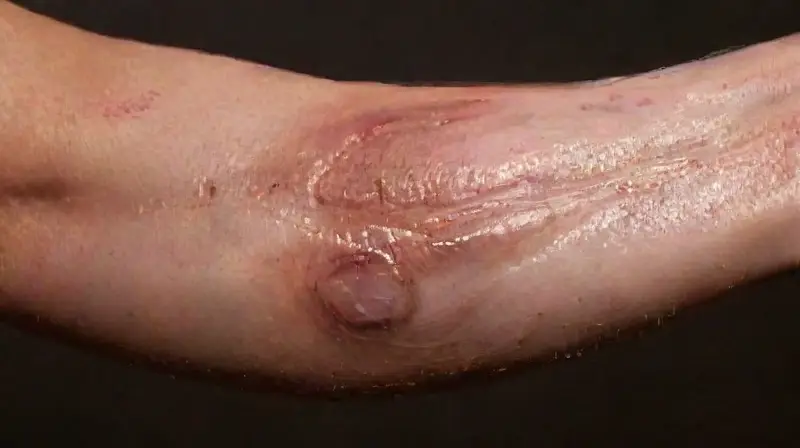
Changes in skin pigmentation are frequent during tattoo removal. Patients might notice darkening or lightening of the treated skin, sometimes referred to as hyperpigmentation or hypopigmentation. These effects result from the skin’s response to laser energy or chemical agents used in removal.
Discoloration can persist for weeks or months, but often gradually fades over time. Factors such as skin type, treatment frequency, and post-treatment care influence the severity and duration of pigmentation changes.
Preventative measures include avoiding sun exposure and using broad-spectrum sunscreens. In some cases, additional dermatological treatments can help rectify persistent discoloration issues.
Scar Formation
Although less common, scarring is a potential side effect of tattoo removal procedures. It can occur if the skin’s structure is damaged during aggressive treatments or if proper care is neglected afterward.
Scars typically appear as raised, discolored, or contracted patches that may be more noticeable than the original tattoo. Patients with a history of keloid or hypertrophic scarring are at increased risk.
Prevention involves choosing experienced practitioners and following all recommended aftercare instructions. Treatments such as silicone gels or laser therapy may help minimize the appearance of scars if they develop.
Pain and Discomfort
Pain is an almost inevitable aspect of tattoo removal treatments, especially during and shortly after the procedure. The intensity varies based on factors like treatment method, tattoo size, and individual pain thresholds.
Most patients describe the sensation as similar to a rubber band snapping against the skin or a burning feeling. To manage discomfort, topical anesthetics or cooling devices are often used during sessions.
Post-treatment, some degree of soreness, throbbing, or mild irritation can persist for hours or days. Over-the-counter pain relievers and proper rest can help alleviate these symptoms.
Infection Risks
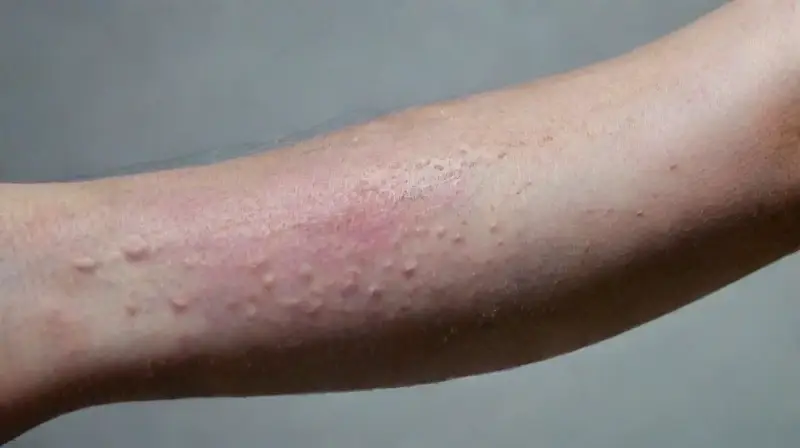
Any procedure that damages the skin carries a risk of infection. Tattoo removal treatments, especially when blisters or open skin are present, can provide an entry point for bacteria.
Symptoms of infection include increased redness, swelling, pain, pus, or warmth around the treated area. If any of these signs appear, prompt medical evaluation is necessary to prevent further complications.
Maintaining proper hygiene and following infection prevention measures are vital. Using prescribed topical antibiotics or ointments can help protect the skin during healing.
Healing Time and Scarring
The healing process after tattoo removal varies depending on individual health, tattoo size, and the treatment method. Typically, skin repairs itself over several weeks to months, during which the area might appear imperfect or raw.
While most skin recovers without significant issues, some individuals may develop scars or uneven pigmentation. Proper aftercare, including moisturizing, avoiding sun exposure, and gentle handling, plays a crucial role in promoting optimal healing.
Patience and adherence to professional advice are key to minimizing long-term effects. In cases of persistent issues, consulting with a dermatologist can help explore options for correction or cosmetic improvement.
Conclusion
Tattoo removal treatments offer a path to erasing unwanted tattoos, but they come with a variety of potential side effects. Common reactions such as redness, swelling, blistering, and pigmentation changes are usually temporary and manageable with proper care.
Being aware of these side effects allows patients to make informed decisions and take the necessary steps to support healing. Consulting qualified professionals and following recommended aftercare instructions significantly reduce the risk of complications and ensure the best possible results.
Ultimately, patience and diligent skincare are essential for achieving a smooth and satisfying tattoo removal experience.
Leave a Reply