
In recent years, the evolution of technology has profoundly impacted the art of tattooing. Artists now incorporate digital tools to design and refine intricate patterns before permanently inking a client’s skin. This integration has expanded creative possibilities, allowing for more complex and precise artwork than ever before.
The shift towards digital methods has also enhanced the efficiency and accuracy of tattoo procedures. By leveraging digital abstraction, tattooists can visualize final designs in real-time and make adjustments seamlessly. This technological synergy fosters innovation and elevates the overall quality of modern tattoo artistry.
Digital Design Tools and Software
Modern tattoo artists rely heavily on software to create detailed sketches and concepts. Programs like Adobe Photoshop and CorelDRAW enable the manipulation of images with precision and flexibility. These tools allow for experimentation with colors, shading, and composition long before the needle touches the skin.
Digital design software offers a library of pre-existing patterns and elements that artists can incorporate into their work. This accelerates the creative process and ensures accurate replication of complex motifs. By embracing these tools, tattooists can also easily share and modify designs based on client preferences.
The use of tablets and digital pens has further revolutionized the design process. Artists can draw directly onto high-resolution screens, mimicking traditional sketching while enjoying the benefits of digital editing. This hybrid approach streamlines workflow and enhances the detail and neatness of the final design.
From Digital to Skin: Stenciling and Transfer Methods
Converting digital designs into stencils is a crucial step in modern tattooing. Advanced transfer papers and print methods ensure that intricate digital artwork can be precisely replicated on skin. This process minimizes errors and guarantees consistency during the tattooing session.
The ink transfer process involves laser or thermal printing technologies that produce clear, durable stencils. These methods translate the digital design into a format that can be easily transferred onto the skin, maintaining sharp lines and delicate details. Such accuracy is vital for complex or fine-line tattoos.
Furthermore, digital abstraction facilitates customization of stencils for each client. Artists can adapt designs to individual body contours and skin types, ensuring optimal fit and aesthetic harmony. This approach improves the overall client experience and satisfaction.
Enhanced Precision and Detail
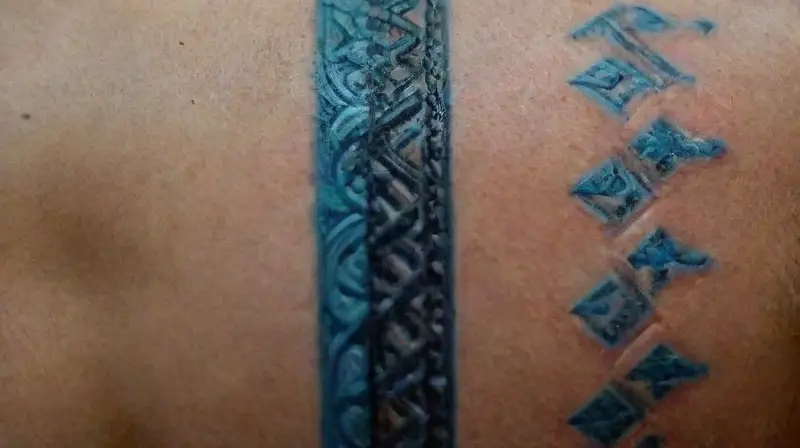
Digital techniques have significantly elevated the precision achievable in modern tattoos. High-resolution digital designs allow artists to replicate minuscule details with remarkable accuracy. As a result, tattoos can incorporate intricate patterns and shading that were previously difficult or impossible to execute by hand.
This level of detail contributes to more realistic and vibrant tattoos. Artists can utilize digital tools to test different color combinations and lighting effects virtually, resulting in a more refined final piece. The ability to preview these effects beforehand helps in achieving the desired artistic outcome.
Moreover, digital abstraction supports the creation of hyper-realistic images that resemble photographs or detailed illustrations. This capability pushes the boundaries of traditional tattoo art, enabling new styles and visual effects that captivate clients and audiences alike.
Color Correction and Modification
One of the key advantages of digital workflows is the simple correction of colors and shades. Artists can experiment with a broad palette on screen, adjusting hues and saturation until reaching the perfect match. This flexibility reduces waste and improves the accuracy of tattoo pigment choices.
The digital environment also allows for quick modifications during the design process. If a client wishes to change a specific color or element, the artist can update the digital draft effortlessly. This iterative process ensures the final design aligns perfectly with the client’s vision.
Color profiles and calibration tools further enhance the consistency of hues across different devices and printing methods. As a result, the colors transferred onto skin tend to be more vibrant and true to the digital preview—leading to long-lasting satisfaction.
Innovations in Tattoo Machines and Equipment
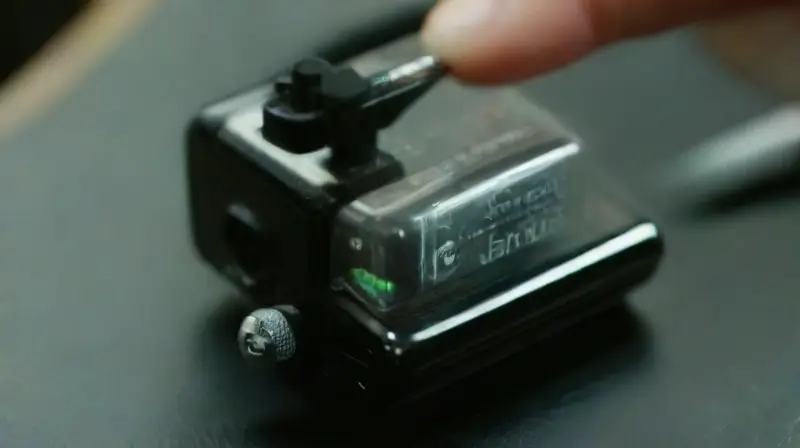
Advances in hardware are integral to modern digital abstraction in tattooing. Digital-controlled tattoo machines offer adjustable settings for speed, depth, and precision, allowing artists to tailor each session. This technological progress results in smoother lines and cleaner shading.
Many machines now feature smart sensors and feedback mechanisms that assist with consistent needle movement. Such innovations reduce fatigue and improve accuracy during long or complex sessions. Artists can focus more on creativity while relying on precise equipment.
Additionally, integration with digital interfaces means tattoo machines can connect directly to design software or tablets. This seamless transfer of digital designs to the machine facilitates real-time adjustments during the tattooing process, increasing efficiency and reducing errors.
Ethical and Artistic Considerations
The adoption of digital abstraction raises important ethical questions within the tattoo community. For instance, the ease of copying and modifying digital designs might challenge notions of originality and craftsmanship. Artists must navigate balancing technological benefits with maintaining artistic integrity.
Moreover, this technological shift impacts training and skills development. Future tattooists need to acquire proficiency in digital tools alongside traditional techniques, ensuring they can adapt to evolving standards. This hybrid skill set broadens artistic horizons but also necessitates comprehensive education.
Finally, digitalization allows for wider accessibility and sharing of art. Artists can showcase their digital portfolios online, reaching global audiences and collaborating across borders. This openness fertilizes innovation, encourages diversity, and fuels the ongoing evolution of tattoo artistry.
Conclusion
Digital abstraction has revolutionized the craft of modern tattooing, blending artistic skill with cutting-edge technology. The ability to design, modify, and transfer intricate images digitally offers unparalleled precision and creative freedom, elevating the quality and complexity of tattoos.
As technology continues to advance, the future of tattoo art will undoubtedly incorporate even more innovative tools. Embracing digital methods not only expands artistic possibilities but also enhances client satisfaction and safety, making tattoos more refined and personalized than ever before.
Leave a Reply