Getting a tattoo or piercing can be an exciting way to express yourself and celebrate important milestones. However, individuals with allergic skin types need to be especially cautious during the healing process to prevent adverse reactions and ensure proper recovery. Proper aftercare is vital to avoid infections, irritation, and unwanted allergies that might jeopardize both the appearance and health of the skin.
Understanding how to care for your skin after these procedures is essential, particularly if you have a history of allergies or sensitive skin. By following specific guidelines tailored for allergic skin types, you can minimize discomfort and promote a safe, healthy healing environment. Educating yourself about the best practices can help ensure that your new body art or jewelry stays beautiful and safe for years to come.
Choosing the Right Artist and Materials
Selecting a professional and experienced tattoo artist or piercer is crucial for allergic skin individuals. A reputable professional will use sterile equipment and high-quality materials, reducing the risk of irritation. Make sure to discuss your skin sensitivities beforehand to ensure they recommend suitable techniques and products.
Furthermore, inquire about the inks, dyes, or metals used in the procedure. Many pigments and jewelry contain allergens like nickel, which can cause reactions in sensitive skin types. Opt for hypoallergenic materials such as surgical steel or titanium to minimize the potential for allergic responses. Investing in quality and allergen-free products is a key step to safe aftercare.
Choosing the right artist and materials sets the foundation for a smooth healing process. It ensures that your skin is less likely to encounter irritants or harmful substances that could prolong healing or cause reactions. Taking this step seriously can save you from the discomfort and complications that often accompany allergies.
Pre-Procedure Skin Preparation
Prior to getting a tattoo or piercing, proper preparation of the skin is essential for individuals with allergic skin types. Gently cleansing the area with a mild, fragrance-free soap can remove excess oils and impurities, helping to reduce the risk of infection during and after the procedure. Avoid using harsh or heavily scented products that might trigger sensitivities.
It’s also recommended to keep the skin well-hydrated in the days leading up to the procedure. Applying a gentle, allergy-friendly moisturizer can improve skin resilience and minimize irritation during the healing process. Consulting with your practitioner about any allergies to products used beforehand can further enhance your safety plan.
Proper pre-procedure skin care helps establish a healthier environment for your body art or jewelry. Preparing your skin diligently minimizes reactive tendencies, making post-procedure healing smoother and more comfortable. This step is especially important for those prone to allergic reactions or sensitive skin.
Post-Procedure Cleaning and Hygiene

Maintaining cleanliness after getting a tattoo or piercing is vital to avoid infection and irritation. Gently washing the area with a mild, fragrance-free cleanser, recommended by your professional, helps remove any debris or bacteria. Avoid scrubbing aggressively, which can aggravate sensitive skin.
Patting the skin dry with a soft, clean towel is preferred over rubbing, reducing mechanical stress on tender tissues. Consistent cleaning routines should be followed as directed, typically 2-3 times daily. Proper hygiene reduces the risk of bacterial growth that can cause complications in allergic skin.
Using gentle, hypoallergenic products for cleaning and aftercare supports healthy healing. Ensuring the area remains free from dirt, oils, and irritants helps prevent infections and inflammation. Appropriate hygiene is one of the most straightforward yet effective ways to care for sensitive skin after procedures.
Applying the Right Ointments and Moisturizers
Aftercare ointments and moisturizers play a crucial role in soothing the skin and promoting healing. Always opt for products designed for sensitive or allergic skin, free from fragrances, dyes, and preservatives that could trigger a reaction. Natural or medical-grade options are often preferred for their safety profile.
Applying a thin layer of the recommended ointment helps keep the area hydrated and forms a protective barrier against external irritants. This barrier minimizes dryness and cracking, which can be particularly problematic for allergic skin types prone to reaction.
Monitoring your skin’s response to different products is important. If you notice redness, itching, or swelling, discontinue use immediately and consult your practitioner. Using gentle, appropriate moisturizers can significantly reduce discomfort and facilitate smoother healing.
Recognizing and Managing Allergic Reactions
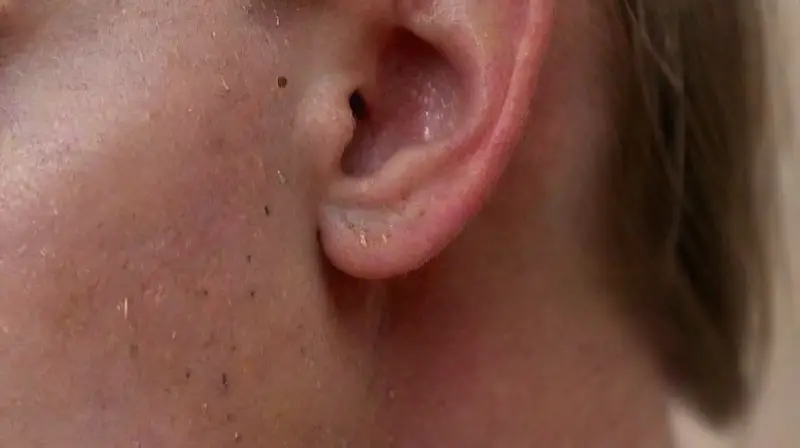
Despite careful precautions, some individuals may experience allergic reactions post-procedure. Symptoms can include redness, itching, swelling, or even blistering in the affected area. Recognizing these early signs allows for prompt intervention and reduces the risk of more severe complications.
If an allergic reaction occurs, it’s important to seek professional medical advice immediately. Your healthcare provider may recommend antihistamines, corticosteroids, or other treatments to mitigate the reaction. Avoid scratching or further irritating the area, as this can exacerbate symptoms.
Prevention remains the best approach, so prior patch testing or allergy testing before the procedure can identify potential sensitivities. Maintaining an open dialogue with your practitioner about any allergies or adverse experiences can help tailor aftercare strategies to your needs.
Long-term Care and Skin Protection
Proper long-term care is vital for preserving the integrity of your skin after a tattoo or piercing, especially if you have allergic tendencies. Consistently using gentle, fragrance-free sunscreens can protect your skin from UV damage that may worsen sensitivity or cause fading. Sun exposure can also increase irritation and should be minimized.
Regularly observing your skin for signs of irritation or reaction helps catch any issues early. Moisturizing with suitable products can keep the skin supple and reduce the risk of dryness or cracking, which are common concerns for sensitive skin. Maintaining hydration and protection supports long-term health of your body art.
If you notice any persistent or recurring problems, consult your dermatologist or professional piercer for tailored advice. Proper long-term care ensures that your skin remains healthy, your tattoos vibrant, and your piercings comfortable, even with allergic skin considerations.
Conclusion
Healing safely after a tattoo or piercing requires careful attention, especially for those with allergic skin types. Choosing proper materials, preparing your skin beforehand, and maintaining excellent hygiene are essential steps toward minimizing adverse reactions. Tailoring aftercare with suitable hypoallergenic products can promote smooth healing and prevent complications.
By staying vigilant and promptly addressing any reactive symptoms, you can enjoy your new body art while safeguarding your skin’s health. Long-term protection, including sun safety and regular skin monitoring, helps preserve the appearance and comfort of tattoos and piercings over time. Prioritizing your skin’s unique needs ensures that your self-expression remains safe and beautiful.
Leave a Reply