
Biomechanical tattoos have emerged as a captivating art form that seamlessly blends technology with the human body. These intricate designs often resemble machinery, muscles, or robotic parts, creating a striking illusion of embedded mechanical components beneath the skin. Their growing popularity reflects a desire to express individuality in a way that challenges traditional notions of beauty and artistry.
For many enthusiasts, biomechanical tattoos are more than just body art; they are a statement of innovative self-expression. This style encourages a fusion of science, art, and personal identity, offering a unique platform to showcase creativity. As the trend gains momentum, it influences not only tattoo artistry but also how individuals perceive personal aesthetics.
The Artistic Technique of Biomechanical Tattoos
Creating a biomechanical tattoo requires exceptional skill and precision from the artist. They utilize advanced shading and coloring techniques to produce a three-dimensional illusion that makes the design appear as though machinery is integrated beneath the skin. This meticulous approach results in a highly detailed and realistic visual effect.
The process involves careful planning and understanding of anatomy, ensuring that the artwork aligns with the body’s natural contours. Artists often collaborate closely with clients to customize designs that resonate with their personal story or aspirations. The complexity of these tattoos demonstrates a mastery of both artistic technique and scientific accuracy.
The choice of colors and shading further enhances the depth and realism of biomechanical tattoos. Bright metallic hues can imitate chrome or steel, while darker shadows add dimension and contrast. These artistic decisions significantly alter the overall impact of the tattoo, making it a dynamic piece of body art.
Popular Themes and Designs
Biomechanical tattoos encompass a wide range of themes, from futuristic mechanisms to intricate machinery and robotic elements. Many designs feature exposed cables, pistons, gears, and wires that mimic components of an advanced robotic system. This diversity allows individuals to select motifs that reflect their personality or fascination with technology.
Some enthusiasts opt for designs that evoke the appearance of cybernetics or cyborgs, blending flesh with machine in a seamless symbiosis. Others prefer a more mechanical aesthetic, emphasizing industrial elements and machinery details. The variety ensures that each tattoo can become a unique expression of personal style.
Popular placement choices for these tattoos include the arms, chest, and back, allowing for expansive or detailed designs. The strategic positioning not only enhances the visual impact but also provides opportunities for revealed or concealed artwork depending on the individual’s preference. Personal customization remains a key aspect of biomechanical design.
Impact on Personal Identity

Biomechanical tattoos often serve as a reflection of a person’s passion for technology, science fiction, or innovation. They symbolize a connection to the futuristic and a desire to push aesthetic boundaries beyond conventional beauty standards. For many, this tattoo style enhances their personal identity by reinforcing their interests and values.
Wearing such tattoos can also influence how individuals are perceived socially, often conveying a message of creativity and boldness. They challenge societal norms by embracing a technological aesthetic that stands out and sparks curiosity. This boldness can reinforce a person’s confidence and sense of uniqueness.
Additionally, biomechanical tattoos can evoke a sense of transformation, representing personal growth or a merging of human and machine elements. They serve as a visual reminder of adaptability and innovation, aligning with a modern outlook on identity and self-expression.
Cultural and Subcultural Significance
Within certain subcultures, biomechanical tattoos hold profound significance as symbols of belonging and shared aesthetic values. Fans of science fiction, cyberpunk, and industrial music scenes often adopt this art style to visually connect with their community. It acts as a badge of identity that unifies like-minded individuals.
These tattoos have also been embraced in pop culture, appearing in movies, video games, and comics that celebrate futurism and technological evolution. This exposure amplifies their cultural relevance and influences new generations of tattoo enthusiasts.
In some contexts, biomechanical tattoos symbolize resilience and adaptations, reflecting themes of strength and endurance. As part of broader cultural narratives, they contribute to conversations about the integration of humanity and machine, exploring both possibilities and ethical questions surrounding technological advancements.
The Psychological Effects of Getting a Biomechanical Tattoo
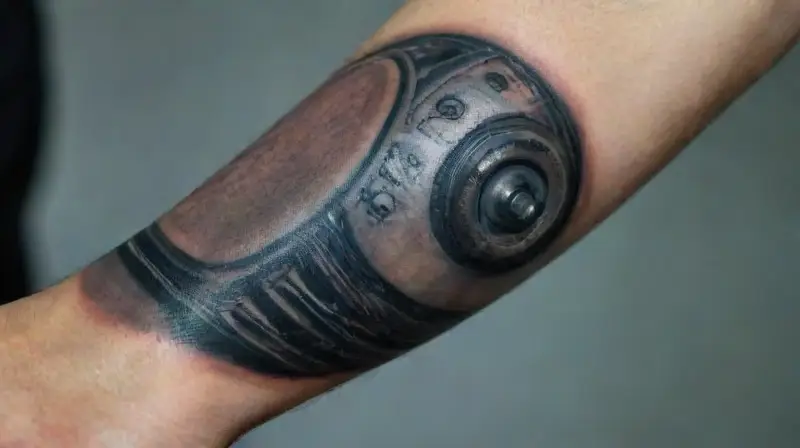
Deciding to get a biomechanical tattoo often involves significant psychological considerations. For many, the act symbolizes a desire for transformation or rebellion against norms. It often boosts self-esteem by allowing individuals to embody a distinctive and powerful identity.
The process of choosing an intricate and customized design can also foster a sense of accomplishment and personal empowerment. As the tattoo develops and heals, it can build a deeper connection with the self, reinforcing feelings of confidence and artistic pride.
Moreover, biomechanical tattoos can serve as a catalyst for social interactions, encouraging conversations and forging connections with others who share similar interests. This sense of belonging can positively influence a person’s mental health and personal growth.
Care and Maintenance of Biomechanical Tattoos
Maintaining the integrity of a biomechanical tattoo requires diligent aftercare and attention. Since these tattoos often involve detailed shading and coloring, proper hygiene helps preserve their vividness and prevents infection. Regular moisturizing and sun protection are essential components of upkeep.
As the tattoo heals, follow-up visits to the artist for touch-ups may be necessary to sustain its definition and realism. Over time, fading can occur, especially if exposed frequently to sun or harsh elements, making ongoing care crucial.
Long-term preservation involves adopting a skincare routine that minimizes damage and maintains the tattoo’s vibrancy. Recognizing the importance of professional advice ensures that biomechanical tattoos remain striking and visually impactful for years to come.
Conclusion
Biomechanical tattoos represent a bold fusion of art and science, transforming the human body into a canvas for futuristic designs. They challenge traditional tattoo styles by embracing technological motifs that resonate with modern aesthetics and personal identity. For enthusiasts, these tattoos are a testament to creativity, innovation, and self-empowerment.
As this tattoo genre continues to evolve, it will likely influence mainstream fashion and artistic expressions, inspiring new ways to explore personal style. Whether as symbols of cyberpunk culture or personal stories, biomechanical tattoos will remain a compelling form of self-expression for those seeking to push boundaries and redefine beauty standards.
Leave a Reply