
Getting a tattoo is an exciting experience that allows for personal expression and artistic expression. However, understanding healing afterwards is crucial to ensure your tattoo heals properly and maintains its vibrant appearance. Many people overlook the importance of proper aftercare, which can lead to complications or subpar results.
The healing process varies from person to person, but generally follows a predictable timeline. Knowing what to expect during each stage can help you care for your tattoo more effectively and avoid common issues like infections or fading. Preparation and patience are key to achieving the best long-term outcome for your body art.
Initial Healing Stage (Days 1-6)
The first few days after getting a tattoo are the most critical. During this time, your skin will be inflamed and may feel sore or tender. Swelling and redness are normal as your immune system responds to the trauma of the needle. Applying a suitable ointment can help reduce discomfort and prevent infection.
Your tattoo will likely start to form a thin crust or scab, which is part of the healing process. It’s important not to pick or scratch at the scab, as doing so can cause damage or scarring. Keeping the area clean and moisturized encourages proper healing and reduces the risk of bacteria entering the skin.
This stage typically lasts about a week, but the actual duration depends on the size and location of your tattoo. During this time, your body is actively working to repair the skin, and the tattoo ink begins to settle into the dermis. Proper aftercare in these initial days sets the foundation for the rest of the healing process.
Peeling and Flaking (Days 7-14)
One common sign that your tattoo is healing is peeling and flaking. This occurs as the outer layer of skin regenerates, and old skin cells are shed. Your tattoo may look cloudy or appear to be somewhat faded during this stage, which is perfectly normal.
It’s important to continue gentle cleansing and moisturizing routines to support skin recovery. Do not force off flakes or scabs, as this can cause ink loss or scarring. Remember that patience during this phase is essential, as peeling can last several days.
By the end of this period, most of the superficial healing should be complete. The tattoo might look dull or duller than when freshly done but will regain clarity with proper care. Consistent aftercare helps ensure the ink settles evenly and the skin remains healthy.
Fading and Settling (Weeks 3-4)

During weeks three and four, your tattoo begins to settle deeper into the skin. The initial scabbing has healed, and the skin starts to smooth out. The tattoo’s colors might look lighter or less vibrant, which can be surprising, but this is normal as your skin continues to recover.
Continued moisturizing and protection from sun exposure are vital in this stage. UV rays can fade the ink prematurely, so applying sunscreen when outside is highly recommended. Avoid swimming or soaking your tattoo in water, as this can introduce bacteria and delay healing.
Most of the initial healing effects should be evident by now, but the skin still needs gentle care. Additional touch-ups or adjustments might be necessary later, but the majority of the healing process is nearing completion at this point.
Long-term Healing (Months 1-6)
Even after the visible signs of healing subside, your skin continues to recover over several months. During this period, the layers of skin consolidate, and the tattoo’s details become more apparent. The colors should gradually return to their original vibrancy, assuming proper care has been maintained.
Protection from sun damage is crucial to preserve your tattoo’s appearance over time. Consistently applying sunscreen or covering your tattoo when exposed to UV rays can prevent premature fading and help maintain sharpness of the design. Regular moisturization also supports optimal skin health.
Complete healing can take up to six months, especially for larger tattoos or areas with thicker skin. Patience and diligent aftercare during this phase ensure the longevity and beauty of your body art. Remember that your skin’s health directly impacts your tattoo’s appearance over the years.
Factors Influencing Healing Speed
Various elements can affect how quickly your tattoo heals. Your age, overall health, and skincare routine play significant roles in the healing process. Younger individuals may experience faster recovery, while those with underlying health conditions might face delays or complications.
The size and placement of the tattoo are also important. Larger designs or areas with frequent movement, like joints, tend to take longer to heal. Additionally, the quality of the tattooing process and proper aftercare can make a difference in healing time and final results.
Environmental factors such as exposure to dirt, bacteria, and sun also influence healing speed. Maintaining cleanliness, avoiding direct sunlight, and following your artist’s aftercare instructions contribute to a smoother, quicker recovery. Staying hydrated and eating a healthy diet can also support your skin’s healing capacity.
Common Healing Challenges
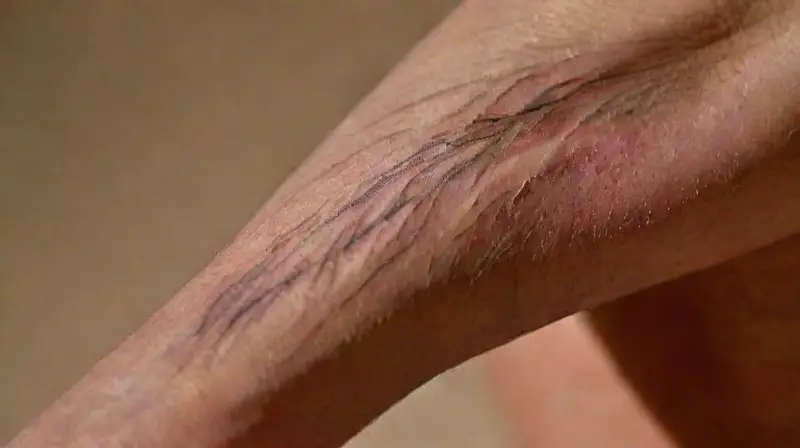
Despite careful aftercare, some people may encounter issues during their tattoo’s healing process. Infection is a significant concern, often caused by bacteria entering the open skin. Signs include excessive redness, pus, swelling, and increased pain. Immediate medical attention is necessary if infection is suspected.
Another problem is allergic reactions to certain inks or aftercare products. Symptoms can include swelling, itching, or rash around the tattoo. If you experience an allergic response, consult a healthcare professional to determine the appropriate treatment and avoid further complications.
Additionally, improper care or scratching can lead to scarring or ink loss. Picking at scabs may cause uneven color and uneven healing. Following your artist’s recommendations and avoiding harsh products or abrasive scrubbing will help ensure your tattoo heals beautifully.
Tips for a Smooth Healing Process
To support optimal healing, it’s essential to be diligent with your aftercare routine. Gently washing your tattoo with mild, fragrance-free soap and patting it dry helps prevent infection. Applying a thin layer of recommended moisturizer keeps the skin hydrated and promotes healing.
Avoiding tight clothing, excessive Sun exposure, and submerging your tattoo in water are crucial steps in the early stages. Protecting your tattoo from sunlight by wearing clothing or applying sunscreen prolongs its vibrancy and reduces fading. Proper vigilance during the healing phase ensures the best possible results.
Finally, stay attentive to your body’s signals. If you notice signs of infection, allergic reactions, or prolonged discomfort, seek professional medical advice promptly. Being proactive and following professional guidance will help your tattoo heal cleanly and beautifully, maintaining its appearance for years to come.
Conclusion
Understanding the healing timeline of a tattoo is vital for anyone looking to preserve their body art. Each stage of healing requires patience, proper care, and attention to detail to ensure the best outcome. By following recommended aftercare practices, you can minimize complications and enjoy a vibrant, well-healed tattoo.
Remember that everyone’s healing journey is unique, influenced by personal health, tattoo size, and environment. Staying informed and vigilant throughout the process helps achieve a smooth recovery and keeps your tattoo looking its best for years to come. Proper care today ensures your artwork remains a source of pride and self-expression for the future.
Leave a Reply