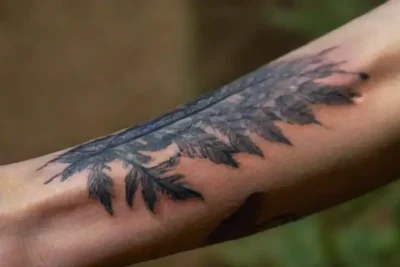
Tattoos are a popular form of self-expression that have been around for thousands of years. Many people believe that investing more money into a tattoo might lead to better quality and longevity. This belief stems from the idea that paying higher prices can ensure the work is performed by experienced artists who use superior materials and techniques. As a result, some think that expensive tattoos will fade or deteriorate less over time.
However, the actual longevity of a tattoo depends on various factors. While the cost can sometimes reflect the skill level of the artist, it is not the only element influencing how long a tattoo remains vibrant. Proper aftercare, skin type, exposure to sunlight, and individual lifestyle choices also play crucial roles. Consequently, it’s important to understand what truly determines tattoo durability beyond just the price paid.
The Role of Artist Skill and Experience
A highly skilled and experienced tattoo artist often commands higher prices due to their expertise and reputation. These professionals typically have a better understanding of skin anatomy and tattooing techniques, which can contribute to a cleaner, more precise design. Their experience can also reduce the risk of mistakes that might lead to early fading or ink spreading.
Moreover, seasoned artists tend to use high-quality equipment and ink, which can influence the longevity of the tattoo. Proper needle depth and technique improve ink retention in the skin, leading to longer-lasting results. Investing in such artists may increase initial costs, but it often provides a more durable and aesthetically pleasing tattoo.
However, even with the best skills, if aftercare instructions are not followed, or if the individual is frequently exposed to harsh environment conditions, the tattoo’s lifespan can be compromised. This highlights the importance of combining high-quality work with proper maintenance.
Quality of Ink and Materials
The quality of tattoo ink and materials used significantly impacts how long the tattoo retains its appearance. High-cost tattoos often involve premium inks that are designed to withstand UV rays and skin stretching, reducing the risk of fading.
Lower-quality inks might fade faster or cause allergic reactions, affecting the overall look and health of the tattoo. Investing in superior materials during the initial process can be more cost-effective in the long run since it delays the need for touch-ups or re-inkings.
It’s worth noting that even the most durable ink cannot resist degradation if exposed to excessive sunlight, chemicals, or improper aftercare. Therefore, choosing quality supplies is just one aspect of ensuring longevity.
Skin Type and Location of the Tattoo

The location of a tattoo on the body influences how well it ages over time. Areas with more movement, stretching, or friction—like joints or hands—may cause the ink to spread or fade faster, regardless of the cost of the tattoo.
Additionally, different skin types react uniquely to tattooing. Oily, dry, or sensitive skin might require specialized care to maintain the tattoo’s vibrancy. Understanding individual skin characteristics can help set realistic expectations about longevity and maintenance.
Even the most expensive tattoo will face challenges if placed on areas prone to frequent friction or sun exposure. Proper planning and placement are essential to maximize durability.
Aftercare and Maintenance
The aftercare process plays a vital role in how long a tattoo lasts. Following the artist’s instructions regarding cleaning, moisturizing, and protecting the skin can significantly extend the life of a tattoo’s appearance.
Neglecting proper care—such as exposing the tattoo to excessive sunlight, swimming in chlorinated water, or scratching during healing—can lead to faster fading and damage. While high-cost tattoos are an investment, consistent maintenance is necessary to preserve the quality.
Regular touch-ups can also help maintain the tattoo’s vibrancy over the years. Even the most expensive tattoos won’t remain pristine without ongoing attention and care.
Impact of Sun Exposure

Sun exposure is one of the leading causes of tattoo fading. Ultraviolet rays break down the ink particles in the skin, leading to a duller and less defined image over time.
Choosing a high-cost tattoo does not inherently protect against UV damage unless special protective measures are taken. Using high-SPF sunscreens and covering the tattoo when exposed to sunlight can help preserve its appearance longer.
Thus, regardless of the initial investment, ongoing protection against the sun is crucial for ensuring that a tattoo remains vibrant and lasts longer.
Psychological Perception and Satisfaction
Many people associate a higher cost with a higher level of satisfaction and perceived quality. Paying more for a tattoo often gives individuals confidence in the workmanship and durability. This perception can influence how they care for and appreciate their tattoo over time.
However, satisfaction does not solely depend on price. Personal comfort, the meaning behind the design, and the overall experience with the artist contribute heavily to contentment. An expensive tattoo that isn’t well cared for can still fade prematurely, emphasizing the importance of ongoing maintenance.
Ultimately, the value of a tattoo is subjective and varies depending on individual expectations and care habits. Focusing on quality, proper aftercare, and suitable placement can be more effective than the price paid.
Conclusion
While high-cost tattoos often benefit from skilled artists and quality materials, they do not automatically last longer than more affordable options. The durability of a tattoo depends on several factors, including proper aftercare, sun protection, skin type, and placement.
Investing in a professional tattoo and maintaining it diligently are key to preserving its vibrancy over time. Cost may influence the initial quality, but personal care and responsibilities ultimately determine a tattoo’s lifespan and appearance.
Leave a Reply