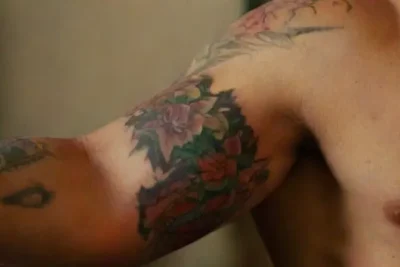
Getting a sleeve tattoo is a significant commitment that combines artistry, dedication, and investment. Many individuals are curious about how much they should expect to spend when planning such a complex and extensive piece of body art. Understanding the cost factors can help you make informed decisions and avoid surprises during the process.
Pricing for sleeve tattoos varies widely based on multiple components, including design complexity, artist skill, and location. It’s essential to consider all these aspects to accurately estimate your overall expenses and ensure you receive quality work that aligns with your vision.
Factors Affecting the Cost
The primary determinant of a sleeve tattoo’s price is the artist’s experience and reputation. Highly skilled artists with a strong portfolio tend to charge higher rates due to their expertise. Their rates can range from $100 to $300 per hour, so choosing a well-known artist may significantly influence the total cost.
Size and detail are also crucial factors. A full sleeve that covers the entire arm with intricate, detailed designs requires more time and effort, thus increasing the price. Simpler, less detailed pieces will cost less but still demand sufficient time to ensure quality and durability.
Additionally, the geographical location of the tattoo studio plays a role in pricing. Urban areas with a higher cost of living tend to have higher tattoo rates compared to rural regions. Visiting a reputable artist in a large city might cost more but can also ensure better craftsmanship and longevity of the tattoo.
Design Complexity and Customization
A highly detailed and custom-designed sleeve will naturally be more expensive than a simpler, flash-style tattoo. The complexity of your concept influences the amount of time an artist needs to customize and refine your design.
Furthermore, personalized elements, such as unique characters, intricate patterns, or meaningful symbols, require additional artistic skill and time. This bespoke approach adds value to your tattoo but also increases the overall cost.
Collaborating closely with your artist to develop a unique design often results in initial consultation fees. These sessions are crucial for ensuring your vision is effectively translated into skin art but should be factored into your overall budget.
Size and Placement
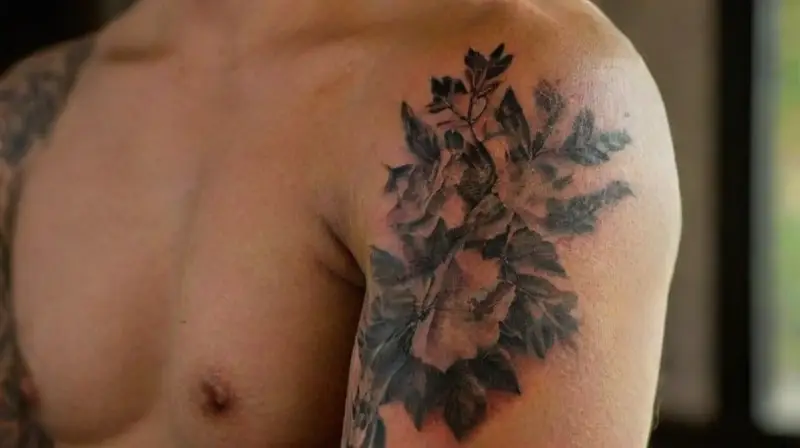
The size of your sleeve directly correlates with the total cost, as larger areas mean more ink, more sessions, and more labor. Whether you opt for a full sleeve or a partial design, the extent of coverage determines the length and number of sessions needed.
Placement on the arm can also influence the pricing. Areas with more skin tension or less easy accessibility might require more attention during tattooing, potentially affecting the cost. For example, inner arm segments can be more sensitive and time-consuming to tattoo.
It’s essential to discuss these variables with your tattoo artist beforehand. Understanding how size and placement impact your budget can help you plan accordingly and avoid unexpected expenses.
Number of Sessions and Time Commitment
A full sleeve often requires multiple appointments over several weeks or months, depending on healing and scheduling. Each session involves a set amount of time, usually 3-6 hours, leading to cumulative costs.
The total duration impacts the final budget significantly. Short sessions tend to be less expensive per appointment but might spread the work over a longer period, increasing overall costs due to repeated visits and consultation.
It’s also important to consider healing time and maintenance. Proper aftercare ensures your sleeve heals well and lasts longer, which could involve additional expenses for ointments and follow-up visits.
Tattoo Studio and Artist Rates

Each studio has its own pricing structure based on reputation, quality, and overhead costs. Visiting a premium studio might mean higher fees, but it also typically offers superior standards of hygiene and artistry.
Some tattoo artists work on a per-hour basis, while others might offer flat rates for specific projects. It’s wise to ask for detailed estimates and understand what is included in the price to avoid hidden costs.
Investing in a reputable artist can ensure your sleeve looks professionally done and lasts over time. While the initial expense might be higher, the durability and aesthetic value are well worth it.
Additional Expenses
Apart from the tattooing process itself, several auxiliary costs can add up. These include design consultations, special inks or pigments, and aftercare products. Planning for these additional expenses ensures a comprehensive budget.
Travel costs, especially if your preferred artist is located in a different city or country, should also be considered. Some artists charge additional fees for travel or accommodation if you need to visit their studio for multiple sessions.
Lastly, unforeseen costs may occur if touch-ups or corrections are necessary after the initial work. It’s advisable to set aside extra funds to cover potential repairs or enhancements, ensuring your sleeve looks perfect once completed.
Conclusion
Estimating the total cost for a sleeve tattoo requires careful consideration of various factors, including artist experience, design complexity, size, and location. While the investment can be substantial, choosing quality work pays off in the long run through durability and aesthetic appeal.
Planning your budget with these elements in mind helps ensure a smoother process and a satisfying result. Ultimately, a sleeve tattoo is a personal art form worth investing in, and understanding the costs involved allows you to make informed and confident decisions.
Leave a Reply