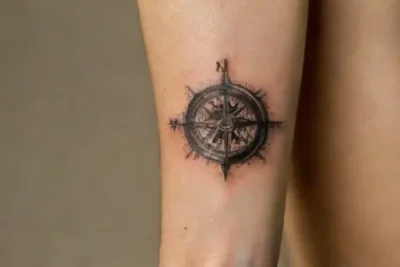
Getting a tattoo is a personal and artistic decision that often involves considering various factors, one of which is cost. The price of a tattoo can vary significantly depending on several elements, and size is one of the primary considerations. People frequently ask how the size of a tattoo influences its overall expense, and understanding this relationship can help clients budget effectively.
Moreover, the size of a tattoo doesn’t just affect the price but also impacts the time required to complete it and the complexity of the design. By exploring these aspects, individuals can make more informed choices about their body art and better communicate with their tattoo artists about expectations and costs.
The Relationship Between Size and Pricing
Generally, the larger the tattoo, the higher the cost. This is because more materials, ink, and time are involved in creating a sizable design. Artists often base their prices on the surface area to ensure they are fairly compensated for the effort. Small tattoos, like symbols or initials, typically cost less due to their minimal size.
However, size isn’t the sole factor determining the final price. The intricacy of the design for a given size can significantly influence the cost. An elaborate, detailed tattoo will take longer to complete, increasing the overall expense even if it’s relatively small. Conversely, simple, larger designs might cost less than complex, tiny ones if they require less time and effort.
How Size Influences Tattoo Duration
The duration of a tattoo session is closely related to its size. Larger tattoos naturally require more time to complete, sometimes spanning multiple sessions. The length of each session depends on the artist’s technique and the client’s pain tolerance. As the size increases, so does the total number of hours needed.
Lengthier sessions mean higher labor costs, which are reflected in the overall price. Clients should be prepared for potentially higher fees if they opt for a large tattoo. This also means scheduling multiple appointments, which can affect both the budget and the planning process.
The Effect of Size on Design Complexity

While size is a key factor, the complexity of the design plays an equally important role in costing. A detailed, intricate tattoo of a small size may take as much or more time than a large, simple design. Therefore, a small, elaborate piece can be more expensive than a simple large tattoo.
Design complexity often involves additional work, such as shading, color work, and fine line details that demand more skill and patience from the artist. When size and complexity are combined, they can significantly influence the total price of the tattoo.
Material and Ink Usage for Different Sizes
The amount of ink and materials used in a tattoo correlates directly with its size. Larger tattoos require more ink, which contributes to the overall cost. Although ink is relatively inexpensive, the quantity used in big designs can add up.
Additionally, larger tattoos may necessitate the use of various colors and shading techniques, further increasing material costs. Artists also factor in the wear and tear of their equipment, which is proportional to the duration and size of the session. These costs are ultimately reflected in the final price.
Size and Artist Experience

The experience of the tattoo artist can influence how size impacts the cost. Experienced artists with a high skill level often charge higher rates due to their expertise and reputation. Their hourly rates may be fixed or variable based on size and complexity.
For larger tattoos, highly skilled artists may charge premium prices because they work more efficiently yet deliver highly detailed results. Clients should consider that choosing an experienced artist may increase costs but often results in a more satisfactory and durable tattoo.
Budgeting and Planning for Size
Understanding how size affects cost allows clients to plan their budget accordingly. Larger tattoos are naturally more expensive and require more time and patience. It is advisable to discuss pricing details beforehand and set aside sufficient funds.
Planning ahead also helps in scheduling multiple sessions if needed, especially for extensive designs. Clear communication with the tattoo artist ensures realistic expectations and helps prevent unexpected costs during the tattooing process.
Conclusion
In summary, the size of a tattoo plays a crucial role in determining its overall cost. From initial design to final ink application, larger tattoos typically require more resources, time, and effort, which all contribute to higher prices. It is important for individuals to consider how size impacts their budget and work closely with their artist to create a design that balances size, complexity, and affordability.
Ultimately, understanding the relationship between size and tattoo costs empowers clients to make well-informed decisions. By considering all these factors, they can achieve their desired aesthetic while staying within their financial means and ensuring a satisfying tattoo experience.
Leave a Reply