Tattoos have played a significant role in Latin American cultures for centuries, serving as a form of expression, identity, and spiritual connection. These designs often carry deep meaning, reflecting the diverse histories, mythologies, and traditions of the region. From ancient indigenous peoples to modern societies, tattooing has been a powerful symbol of community and personal story.
Throughout history, Latin American tattooing has evolved but continues to honor traditional motifs and techniques. Whether used to demonstrate social status, tribal affiliation, or religious beliefs, these tattoos act as visual narratives that preserve cultural legacy. The blending of indigenous and colonial influences enriches the region’s unique tattoo symbolism.
Indigenous Heritage
Many Latin American indigenous groups have a rich history of tattooing practices that date back thousands of years. These designs often embody spiritual beliefs, ancestral connections, and social roles within tribal communities. For example, the Amazonian tribes use tattoos as rites of passage or symbols of bravery.
Tattoos in indigenous cultures are believed to provide spiritual protection and connection to nature. Patterns such as geometric shapes, animals, and ancestral symbols are common motifs. These designs are often seen as sacred, transcending mere decoration to embody profound cultural meaning.
Today, indigenous-inspired tattoos continue to thrive, serving as a tribute to ancestral roots. Contemporary artists frequently incorporate traditional symbols into modern designs, honoring the legacy of these ancient practices. The preservation of indigenous motifs reinforces cultural identity across Latin America.
Mythology and Religious Symbols
Latin American mythology offers a wealth of inspiring imagery that is popular in tattoo art. Deities, legends, and mythic creatures often appear in traditional and modern tattoo designs. These symbols embody moral lessons, spiritual beliefs, and cultural stories passed down through generations.
Religious influences, particularly Catholicism, have deeply shaped tattoo symbolism across the region. Crosses, saints, and religious icons frequently feature in tattoos as expressions of faith or protection. These motifs often combine indigenous elements with Christian symbols, creating a unique hybrid style.
Modern Latin American tattoo artists also explore mythological themes from native folklore, such as the Aztec Quetzalcoatl or Mayan gods. These images serve to connect individuals with their cultural heritage and spiritual identity. The fusion of myth and faith remains a vital aspect of regional tattoo symbolism.
Colors and Patterns

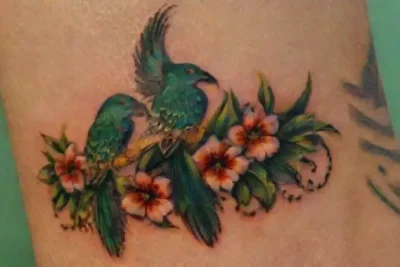
Color choices in Latin American tattoos are highly symbolic and vary markedly among different cultures. Bright reds, greens, and blues often symbolize vitality, fertility, and connection to nature. Certain colors are reserved for particular meanings or social statuses within tribal communities.
Patterns such as spirals, zigzags, and dots are common in traditional designs. These geometric motifs often symbolize cosmic forces, water, or fertility. The use of repetitive patterns can denote social roles or judicial status within tribal societies.
Contemporary tattooists blend traditional color palettes and patterns with modern styles, creating dynamic and culturally rooted artwork. Understanding the symbolism behind these colors and shapes allows viewers to appreciate the depth of Latin American tattooing traditions.
Celebratory and Ritual Significance
In Latin America, tattoos often mark significant life events, such as rites of passage or spiritual ceremonies. For many communities, getting tattooed is a sacred act that signifies personal or collective milestones.
Ritual tattoos can serve as protective amulets or as symbols of achievement and community belonging. For example, some tribes commission tattoos for warriors, denoting their bravery and accomplishments. These designs are traditionally applied through specific rituals performed by experienced tattoo artisans.
Today, these practices are still celebrated in indigenous and local ceremonies, emphasizing the importance of tattoos in cultural identity. The ritual aspect underscores the deep spiritual and social meanings embedded in Latin American tattoo traditions.
Modern Influences and Trends
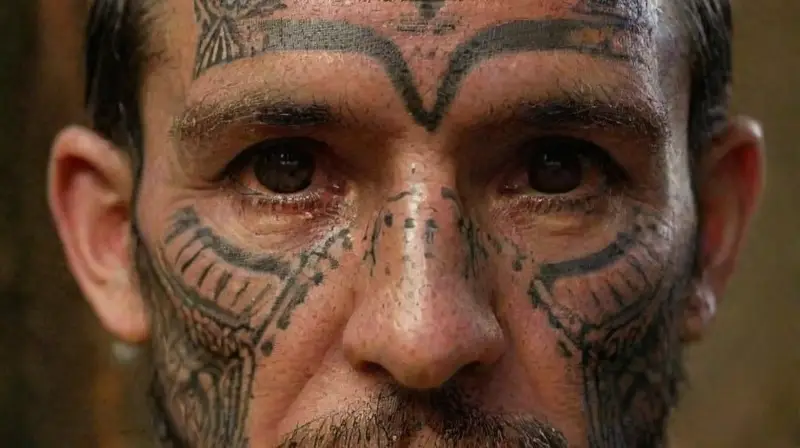
Contemporary Latin American tattoo art is heavily influenced by global trends, yet it continues to reflect regional heritage. Artists often fuse traditional motifs with modern techniques, resulting in innovative and personalized designs. This blending showcases the region’s dynamic cultural evolution.
Social media and international tattoo communities have expanded access to diverse styles and ideas, leading to a richer artistic repertoire. However, many artists strive to preserve authentic cultural symbols, adapting them for contemporary tastes while respecting their original meanings.
The regional tattoo scene is vibrant, with festivals and workshops dedicated to indigenous and traditional techniques. This ongoing exchange promotes the survival and appreciation of Latin American tattoo traditions in the modern world.
Tattoo Artists and Cultural Preservation
Latin American tattoo artists are increasingly recognized for their efforts to safeguard cultural heritage through their work. Many specialize in traditional styles, such as Otomi, Mapuche, or Quechua designs, ensuring these motifs are passed down and celebrated.
Educational initiatives and collaborations with indigenous communities help raise awareness about the significance of cultural symbols. Artists also serve as storytellers, sharing the histories and meanings behind their designs with clients and audiences.
This dedication to cultural preservation strengthens regional identity and fosters pride among indigenous and mestizo populations. By merging artistic innovation with tradition, Latin American tattooists contribute to a vibrant and meaningful tattooing landscape.
Conclusion
Latin American tattoo traditions are a testament to the region’s rich cultural diversity and historical legacy. They serve as powerful symbols of identity, spirituality, and community, connecting individuals with their ancestral roots and collective stories.
As modern influences merge with traditional practices, Latin American tattooing continues to evolve while maintaining its cultural significance. The preservation and revitalization of indigenous motifs and symbolism ensure that these meaningful art forms will endure for future generations.
Leave a Reply