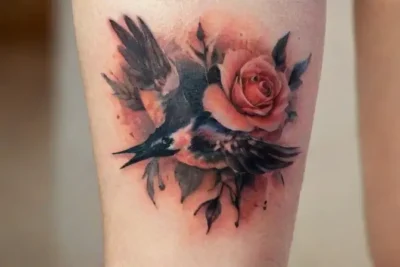
Vintage and retro tattoo styles have experienced a resurgence in recent years, captivating enthusiasts with their timeless appeal. These styles draw inspiration from early 20th-century tattoo traditions, blending nostalgia with artistry to create designs that stand the test of time. Many people appreciate how these tattoos evoke a sense of history and craftsmanship that feels authentic and enduring.
As modern tattooing evolves, artists are increasingly revisiting traditional motifs, techniques, and color palettes associated with vintage and retro aesthetics. This trend celebrates the rich heritage of tattoo artistry while allowing for creative reinterpretations. The result is a collection of works that pay homage to classic body art while maintaining a fresh, contemporary outlook.
Historical Roots
The origins of vintage tattoo styles can be traced back to sailors, soldiers, and adventurers of the 19th and early 20th centuries. These early tattoos often featured bold lines, limited color schemes, and symbolic imagery to signify personal stories or achievements. Their designs were practical and durable, meant to withstand the rigors of daily life and time.
During this period, tattooing equipment was relatively primitive compared to today, which resulted in distinctive aesthetic qualities. Artists relied on hand-poked techniques and swelling inks, giving the tattoos a rugged, handcrafted look. This authenticity has become a hallmark of vintage styles, making them highly desirable for those seeking a connection to history.
By the mid-20th century, tattooing began to incorporate influences from popular culture, such as pin-up girls and classic automobiles. This shift introduced more vibrant colors and playful motifs, setting the stage for what we now identify as retro styles. These designs maintain the essence of vintage roots while adding a layer of modern pop culture.
Classic Motifs
Traditional vintage tattoo themes include anchors, swallows, roses, and skulls. These motifs often symbolize freedom, hope, love, or mortality, and their meanings add depth to the designs. Artists use bold outlines and minimal shading to emphasize clarity and impact.
These motifs have long been associated with sailors and workers, symbolizing resilience and adventure. Their clean design makes them easily recognizable and highly adaptable for various body placements. Vintage tattoo artists perfected the art of translating meaningful symbols into striking body art.
Retro tattoo styles often feature pin-up girls, automobiles, and nautical scenes. Bright colors and exaggerated features characterize these images, creating an energetic and nostalgic atmosphere. They evoke the glamour of the 1940s and 1950s, appealing to those who love classic entertainment and fashion icons.
Color Schemes

Vintage tattoo palettes traditionally used a limited range of colors such as black, red, green, and yellow. This choice not only reflected the available ink technology of the time but also contributed to the designs’ bold and straightforward look.
In retro styles, colors are often vivid and saturated, enhancing the playful and lively nature of the designs. Shading techniques are minimal, with flat color blocks that uphold the aesthetic’s simplicity. The careful use of color balances nostalgia with modern techniques.
Contemporary artists often blend vintage color schemes with newer methods to create unique interpretations. The juxtaposition results in tattoos that honor tradition while benefiting from improved durability and vibrancy. This synergy ensures that vintage and retro tattoos remain visually striking and long-lasting artworks.
Technique and Style
Vintage tattoos emphasize bold outlines, which define each element clearly and make the designs easy to recognize from a distance. Traditional hand-poked techniques and machine work produce a straightforward, durable finish that withstands the test of time.
Line work in vintage styles features heavy, steady strokes, often with minimal shading or gradients. The simplicity of these techniques lends authenticity, reinforcing their handcrafted heritage. Artists take special care to preserve the clean, crisp appearance that characterizes classic tattooing.
Retro styles incorporate more dynamic compositions, with movement and exaggerated features. These may include stylized flames, banners, or dripping effects to amplify visual interest. Despite the added complexity, the emphasis on clarity and boldness remains central to their aesthetic.
Popular Design Placement

Vintage and retro tattoos are versatile and can be placed almost anywhere on the body. Common locations include the arms, chest, back, and legs, taking advantage of ample space for detailed work.
Certain motifs, such as banners or larger scenes, work well on broader areas like the back or thighs, allowing for intricate storytelling. Smaller, simpler designs like hearts or anchors are perfect for wrists or ankles, offering a subtle nod to nostalgia.
Placement choices often reflect personal meaning and style preference, with some opting for hidden tattoos that carry sentimental value. Regardless of location, the goal is to maintain the design’s vintage charm while ensuring longevity and visual appeal.
Modern Revival and Customization
Today, many tattoo artists specialize in vintage and retro styles, bringing fresh interpretations to classic designs. Customization allows clients to incorporate personal symbols or modern elements while preserving the traditional aesthetic.
Artists skillfully adapt vintage motifs to suit individual preferences, blending nostalgia with contemporary tastes. This fusion results in unique pieces that honor the past while feeling relevant in today’s fashion.
Furthermore, advancements in tattoo technology have improved ink quality and durability, ensuring vintage-inspired tattoos maintain their vibrancy over time. This revival keeps the timeless appeal of classic body art alive, inspiring new generations of enthusiasts.
Conclusion
Vintage and retro tattoo styles serve as a bridge between history and modern artistry, celebrating timeless designs with a fresh perspective. These styles evoke nostalgia while allowing for continuous innovation, making them enduring favorites among tattoo lovers.
In embracing these classic aesthetics, individuals not only adorn their bodies with meaningful symbols but also pay homage to the rich heritage of tattooing. As the art form evolves, vintage and retro styles will undoubtedly continue to inspire creativity and serve as a testament to the enduring power of classic body art.
Leave a Reply