
Dotwork is an art technique that involves creating images through the strategic use of tiny dots. This method has gained popularity due to its ability to produce highly detailed and textured artwork. Artists often choose dotwork because it allows for precise control and subtle gradations of shading, giving depth and dimension to their designs.
Mandalas, on the other hand, are geometric patterns representing the universe and spiritual concepts across various cultures. Combining dotwork with mandalas results in mesmerizing pieces that evoke both aesthetic appeal and spiritual significance. This fusion creates a meditative process for the artist and a captivating visual experience for viewers.
The Origins of Dotwork Art
The origins of dotwork can be traced back centuries, spanning different cultures and traditions. Historical examples include Indigenous Australian rock art, which utilized dot patterns to tell stories and represent spiritual symbols. Similarly, traditional Tibetan Thangka paintings sometimes incorporated dot techniques for shading and detailing.
During the modern era, dotwork gained traction within tattooing communities, showcasing its potential for creating bold, intricate designs on skin. Artists like Robert Ryan popularized the technique for fine-line illustrations, elevating it as a prominent form of contemporary art. Today, dotwork continues to evolve, blending ancient roots with innovative practices.
Tools and Materials Used in Dotwork
Creating dotwork art requires specific tools to achieve precision and consistency. Most artists prefer fine-tipped pens, such as micron pens or technical drawing pens, to make tiny, uniform dots. These tools enable meticulous detail and control over the pattern’s density.
In addition, some artists incorporate other materials like stippling brushes or even digital tools for experimentation. The choice of materials directly influences the texture and overall look of the artwork. Quality pens and papers are essential to prevent smudging and ensure longevity of the piece.
Techniques for Mastering Dotwork
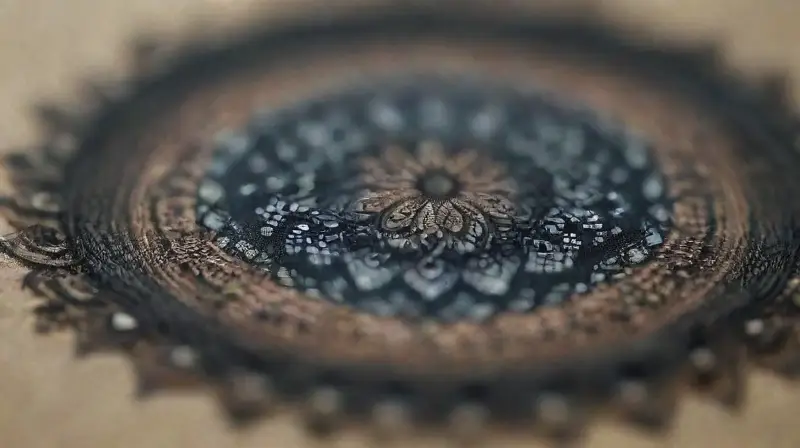
Mastering dotwork involves practicing various techniques to control the size, spacing, and density of the dots. Artists often start with simple patterns to develop steady hand movements and consistent pressure. Gradually, they progress to more complex compositions like mandalas.
A key technique is stippling, which involves creating gradients by varying the concentration of dots. This method gives the illusion of shading and depth. Patience and attention to detail are crucial, as the process can be time-consuming but ultimately rewarding.
Creating Symmetry in Mandalas
Symmetry is integral to mandala design, requiring precise execution to produce harmonious patterns. Artists often use compasses, rulers, and grids to ensure perfect symmetry in their work. This meticulous process results in balanced and visually appealing artworks.
In dotwork mandalas, symmetry is achieved by carefully mirroring each section and maintaining consistent dot placement. The repetition of patterns reinforces the meditative quality of the artwork and emphasizes its spiritual symbolism. Patience plays a vital role in maintaining accuracy throughout the process.
The Meditative Process of Dotwork Mandalas
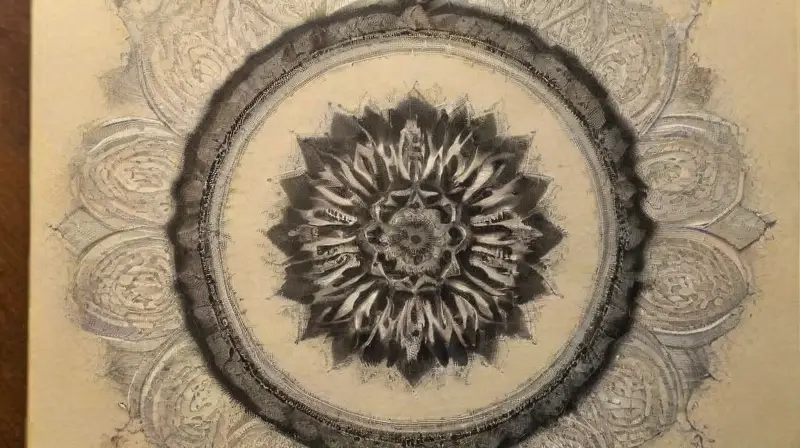
Creating dotwork mandalas can be a highly meditative experience for artists. The repetitive nature of making tiny dots allows sudden clarity and focus to emerge. Many artists find the process calming, helping to cultivate mindfulness and patience.
Viewers also experience a sense of tranquility when observing dotwork mandalas. The intricate details invite closer inspection, encouraging viewers to immerse themselves in the pattern. This dual benefit of artistic creation and appreciation enhances the spiritual dimension of the artwork.
Contemporary Applications of Dotwork Mandalas
Today, dotwork mandalas are used in various contemporary contexts beyond traditional art. Tattoo artists often incorporate mandala patterns into their designs for body art that symbolizes balance and harmony. This practice combines aesthetic appeal with personal meaning for clients.
Furthermore, dotwork mandalas are popular in home decor, where wall art and prints serve as focal points that inspire serenity. The technique’s versatility also extends to digital art platforms, where artists experiment with hybrid styles. These innovations continue to expand the reach and relevance of dotwork art.
Conclusion
Dotwork offers a unique and intricate medium for creating complex mandalas that are both visually stunning and spiritually meaningful. Its ability to produce texture and depth makes it a preferred choice for artists seeking precision and meditative expression.
As an evolving art form, dotwork continues to inspire contemporary artists across various disciplines. Its combination with mandalas emphasizes mindfulness, patience, and intricate craftsmanship, enriching the artistic landscape and viewers’ experience alike.
Leave a Reply