
Dotwork is an intricate form of art that relies heavily on the meticulous application of tiny dots to create stunning visual effects. This technique has gained popularity not only among tattoo artists but also among illustrators and fine artists for its unique texture and depth. It requires patience, control, and a keen eye for detail, making it a challenging but highly rewarding method of expression. The beauty of dotwork lies in its ability to produce soft shading, precise lines, and complex patterns using nothing but dots.
Many artists are drawn to dotwork because of its versatility and the illusion of dimensionality it offers. Unlike traditional shading that uses gradients or smooth transitions, dotwork employs a series of strategically placed dots to build up tones and forms. This approach allows for a high degree of accuracy and customization, giving each piece a distinctive and personal touch. As a result, mastering this technique can significantly elevate an artist’s skill set and creative potential.
Understanding the Basics of Dotwork
Getting started with dotwork requires understanding the fundamental principles that govern the technique. The key is consistency in the size and spacing of the dots, which directly influences the overall appearance of the artwork. Beginners should practice creating uniform dots before attempting more complex designs, as this foundational skill is essential for achieving smooth shading and sharp lines.
Another important aspect is patience. Dotwork is inherently time-consuming because building up shades and textures involves applying numerous small dots. Rushing through the process often results in uneven spacing or inconsistent dot size, which can detract from the refinement of the final piece. Taking time to develop control will pay off in the form of cleaner, more professional-looking artworks.
Tools are also critical when learning dotwork. Fine-tipped pens, such as micron pens or tattoo needles, are preferred for their ability to make precise dots. Choosing the right medium depends on the surface and the desired effect—whether working on paper, skin, or digital platforms. Experimenting with different tools is a great way to discover what works best for your style and technique.
Essential Tools and Materials
Having the right equipment is vital for mastering dotwork. High-quality pens with fine tips, such as 0.1mm or 0.3mm micron pens, are ideal for creating detailed and consistent dots. Additionally, some artists use mechanical pencils for initial sketches and rulers to help with symmetry and straight lines. Investing in durable materials ensures that your work remains crisp and precise across different projects.
Surface choice also plays a significant role in achieving the desired effect. Smooth, matte paper is often preferred because it allows for smoother application of ink without bleeding or smudging. For tattoo artists, quality skin preparations and suitable needles are essential to create clean, lasting designs. Digital artists may use graphic tablets with fine styluses, which provide greater control over dot placement and size.
In addition, consider using guidelines or templates for complex designs. Lightly sketching your composition with a pencil or digital outline helps maintain accuracy before filling in with dots. Having a steady hand and good light conditions further enhance your ability to produce uniform dots, which is critical for professional results.
Techniques for Creating Texture and Depth
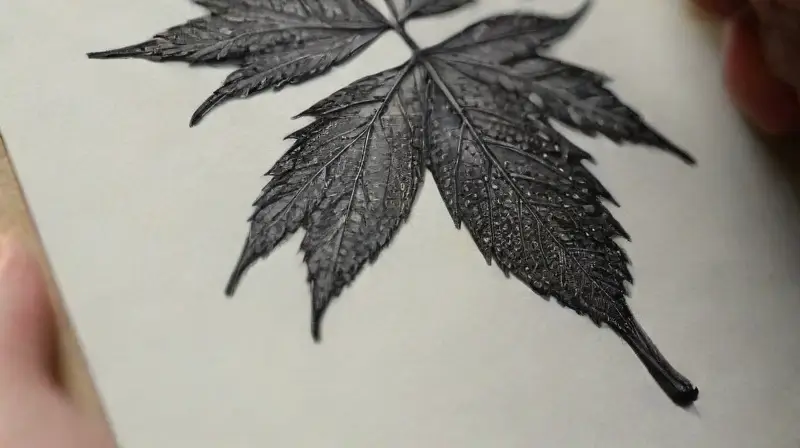
A key challenge in dotwork is simulating different textures and depths within a design. To achieve softer shading, artists often layer dots closely together, gradually building up darker areas. Conversely, spreading dots farther apart can represent lighter tones or highlights, adding dimensionality to the artwork.
Varying the dot size is another effective strategy. Smaller dots can produce subtle transitions, while larger dots create bold lines or shadows. Combining different sizes in a single piece allows for more complex and dynamic compositions. Practicing these variations helps artists develop an intuitive sense of when and how to employ different dot techniques.
Finally, the direction of dot placement influences the overall flow and movement of a piece. Circular patterns can create a sense of softness or swirl, while linear arrangements add structure and clarity. Experimenting with these approaches enables artists to master the art of creating realistic textures and compelling visual narratives through dotwork.
Creating Symmetry and Patterns
Symmetry and pattern design are fundamental in many styles of dotwork, especially for mandalas and decorative motifs. Achieving perfect symmetry begins with precise initial sketches, often using rulers or compass tools to map out the design. Maintaining consistent spacing and dot size across symmetrical sections requires careful measurement and concentration.
Pattern creation involves understanding repetition and rhythm in design. By establishing a clear pattern or grid, artists can produce intricate backgrounds or focal points that draw viewers’ attention. Repetitive dot patterns can evoke a sense of harmony and balance, enhancing the overall aesthetic of the artwork.
Practicing symmetry not only improves technical skill but also trains the eye for proportion and alignment. Over time, mastering these elements allows artists to develop complex, visually pleasing compositions that stand out for their precision and craftsmanship.
Blending Dotwork with Other Artistic Techniques
While dotwork on its own is a powerful method, combining it with other techniques can lead to even more compelling results. For instance, integrating line work or watercolor elements can add contrast and vibrancy to a piece. This hybrid approach offsets the meticulousness of dotwork with expressive strokes or washes, creating a richer visual experience.
Blending techniques also enables artists to explore different textures and effects. For example, applying broad strokes of color beneath the dots can simulate backgrounds or abstract elements, providing a dynamic layered effect. Experimenting with mixed media broadens an artist’s expressive vocabulary and enhances their versatility.
Furthermore, digital tools facilitate seamless integration of dotwork with digital painting or graphic design. Using graphics software, artists can precisely layer dots, modify their size, or incorporate digital textures. This flexibility allows for innovative compositions and the opportunity to refine details that might be difficult to achieve manually.
Developing Your Unique Style
As with any art form, developing a distinctive style within dotwork involves continuous exploration and practice. Artists should focus on experimentation to discover what techniques and motifs resonate most deeply with their creative vision. Studying works from master dotworkers can provide inspiration and insight into innovative approaches.
Creating a consistent body of work helps artists refine their techniques and build confidence in their craft. Whether it’s through motifs, themes, or specific shading methods, cultivating a personal style distinguishes an artist’s work. Embracing imperfections and quirks also adds authenticity and character to each piece.
Finally, sharing your work with a community offers valuable feedback and encouragement. Participating in exhibitions, online forums, or workshops can open new perspectives and collaboration opportunities. Developing a unique voice within the world of dotwork is a journey of dedication, curiosity, and creative risk-taking.
Conclusion
Mastering the art of dotwork is a rewarding pursuit that combines precision, patience, and creativity. By understanding fundamental techniques, selecting the right tools, and practicing various textures and patterns, artists can create highly detailed and expressive works. The journey toward mastery involves continuous learning and exploration, as each piece enhances both skill and confidence.
Ultimately, dotwork offers endless possibilities for customization and innovation. Whether used for decorative designs, tattoos, or fine art, it allows artists to craft visually captivating pieces with a distinct sense of depth and texture. With dedication and passion, anyone can unlock the full potential of this meticulous and mesmerizing art form.
Leave a Reply