
In recent years, body piercings have surged in popularity across the globe, becoming a significant form of personal expression. Among these, nostril and ear piercings are especially favored for their versatility and subtlety, allowing individuals to showcase their style uniquely. The trend reflects a broader movement towards embracing body art as a form of cultural and fashion identity.
The evolution of piercing styles now includes a variety of geometric shapes and designs that elevate traditional practices. This shift towards more intricate and modern approaches has transformed simple piercings into artful statements. As a result, people are increasingly seeking innovative ways to incorporate geometry into their ear and nostril jewelry.
Historical Background of Nostril and Ear Piercings
Historically, nostril piercings date back thousands of years, with evidence found in ancient cultures such as India, Africa, and the Middle East. These piercings often carried spiritual or social significance, symbolizing status, beauty, or rites of passage. Over time, their meaning adapted, but their popularity endured across different civilizations.
Ear piercings also have a long-standing history, serving as markers of identity, age, or status within various societies. From the elaborate ear ornaments of Indigenous tribes to modern-day fashion, the tradition persists with evolving styles. The fusion of cultural and contemporary influences has kept ear piercing relevant in fashion trends worldwide.
The introduction of metal tools in the 20th century, along with changing societal attitudes, democratized piercing practices. This shift allowed more people to explore diverse styles, including geometric designs, making piercing a widespread form of adornment across age groups. Today, the historical context provides a rich foundation for contemporary innovations.
Rise of Geometric Designs in Piercings
One of the most notable trends in modern body art is the incorporation of geometric shapes into nostril and ear piercings. These designs range from simple triangles and circles to more complex polygons and abstract patterns. Their clean lines and symmetric features appeal to those seeking minimalist yet striking aesthetics.
Artists and jewelry designers are now experimenting with custom geometric jewelry that complements different facial structures. The precision of these shapes enhances the natural contours of the face and adds a modern, artistic touch. This trend reflects a desire for personalized, statement-making accessories.
The popularity is also driven by social media platforms, where influencers showcase their geometric piercings and inspire others. This digital sharing accelerates the adoption of avant-garde styles, making geometric piercings a mainstream fashion choice. As a result, more people are discovering ways to express their individual style through this innovative approach.
Popular Geometric Nostril Piercing Styles
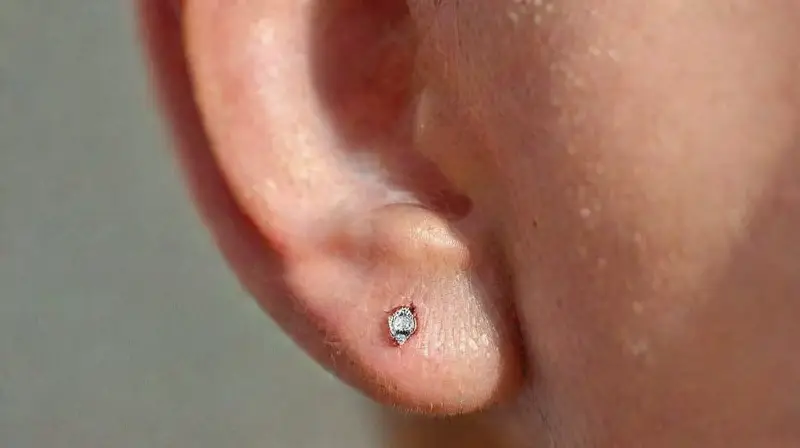
Geometric designs have significantly influenced nostril piercing styles, introducing shapes like triangles, chevrons, and circles. These can be worn as small studs or elaborate jewel pieces, depending on personal taste. The clean, angular lines create a modern look that stands out subtly.
Many enthusiasts opt for symmetrical placements that mimic geometric patterns, creating a harmonious appearance. For example, dual nostril piercings paired with matching geometric jewelry can frame the face elegantly. These styles are versatile, fitting casual daily wear or special occasions.
Piercers often recommend specific shapes based on facial features. For round faces, angular designs provide contrast, while elongated shapes suit oval or rectangular face shapes. The adaptability of geometric nostril piercings makes them highly customizable and popular across demographics.
Ear Piercing Trends with Geometric Elements
In the world of ear piercings, geometric inspiration has led to the development of unique configurations such as helix, tragus, and daith piercings adorned with angular and polygonal jewelry. Multiple piercings stacked with intersecting shapes create a layered, modern aesthetic.
Designers are creating modular jewelry systems that allow for interchangeable geometric pieces, giving wearers flexibility to customize their look. This modularity ensures that the same piercing can be styled differently for various occasions, emphasizing versatility.
Furthermore, combining different geometric shapes—like circles with triangles—can produce eye-catching contrasts and visual interest. These styles are not only stylish but also functional, allowing for innovative stacking and pairing options that align with personal creativity.
Materials and Jewelry Choices
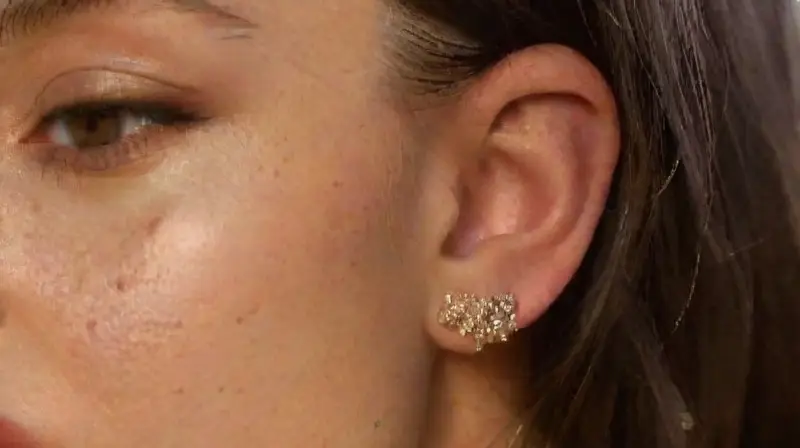
The popularity of geometric piercings has prompted the use of various materials like surgical-grade titanium, stainless steel, gold, and even bioplastics. Each material offers unique benefits such as durability, hypoallergenic properties, and aesthetic appeal. This variety allows for safe and comfortable wear while maintaining style.
Geometric jewelry often features precise craftsmanship, with clean edges and smooth finishes that highlight the shapes. Custom engraving or incorporation of gemstones within the geometric framework adds a layer of luxury and personalization. The selection of material and design ultimately depends on skin sensitivity and desired look.
Advances in manufacturing techniques have made intricate geometric designs more accessible to a broader audience. 3D printing and laser cutting have revolutionized jewelry production, enabling complex patterns and bespoke pieces. These innovations make geometric designs highly customizable to suit individual preferences.
Cultural Influences and Modern Interpretations
Many geometric piercing styles draw inspiration from artistic movements like Cubism, Constructivism, and Modernism. These cultural influences have been reinterpreted through contemporary jewelry, creating a fusion of tradition and innovation. Such designs often symbolize creativity and forward-thinking.
Certain cultural groups incorporate traditional symbols that resemble geometric shapes into their piercings, creating meaningful connections to heritage. This blend of cultural symbolism and modern geometric aesthetics highlights the diversity within piercing trends. It encourages a respectful appreciation of different histories and stories.
Modern interpretations often feature minimalism with bold geometric forms, emphasizing simplicity and symmetry. This approach appeals to those who prefer understated elegance but still desire a strong visual impact. Overall, the cultural and artistic roots enrich today’s geometric piercing trends, making them a vibrant part of body art fashion.
Conclusion
The trend toward geometric nostril and ear piercings showcases a dynamic fusion of cultural history, artistic expression, and modern innovation. These styles continue to evolve as new materials, techniques, and inspirations emerge, broadening the possibilities for personal adornment. As people seek unique ways to highlight their individuality, geometric designs offer a versatile and impactful option.
Ultimately, geometric piercings serve as a reflection of contemporary aesthetics, emphasizing precision, symmetry, and creativity. They enable wearers to create personalized statements that resonate with their identity and style. As this trend maintains its popularity, it is likely to inspire further experimentation and artistic exploration in body jewelry.
Leave a Reply