
Goth-inspired body piercings have become a distinctive form of self-expression that reflects the unique aesthetic and cultural values of the goth community. These piercings often feature dark, bold, and unconventional styles that challenge traditional beauty standards. For many goth enthusiasts, body modifications are a way to showcase their individuality and connection to a subculture rooted in alternative music and fashion.
Beyond their visual impact, goth body piercings carry significant symbolic meaning. They often represent personal transformation, rebellion, or a sense of belonging within a community that values freedom of expression. As an art form, these piercings blend creativity and identity, making them much more than mere adornments.
Facial Piercings and Their Symbolism
Facial piercings, such as septum, eyebrow, or nose rings, are common among goths because of their dramatic appearance. These piercings often embody a rebellious spirit and a desire to stand out from mainstream conventions. The placement and style can be customized to reflect individual personality and mood.
In the goth subculture, facial piercings frequently symbolize defiance against societal expectations. They serve as a visual statement of non-conformity and strength of identity. Many goths see these adornments as a way to embrace their darker or more mysterious aesthetic.
Moreover, facial piercings can also be part of a larger ritual of self-discovery and transformation. Their distinctive designs often incorporate symbolic elements, like spikes or dark stones, that reinforce themes of empowerment and change.
Ear and Gauge Piercings
Goth-inspired ear piercings, including extensive gauges, are popular for their versatility and visual impact. They allow for countless customizations, from small studs to elaborate flesh tunnels, which can dramatically alter one’s look.
These piercings often symbolize endurance and a commitment to the goth lifestyle. The process of stretching ears to large gauges is a gradual journey that many goths undertake as an act of personal expression and patience.
In addition, large gauges are considered a form of body art that signifies belonging to a community with shared values. They often serve as a visual badge of individuality and a rejection of conventional beauty standards.
Neck and Chest Piercings
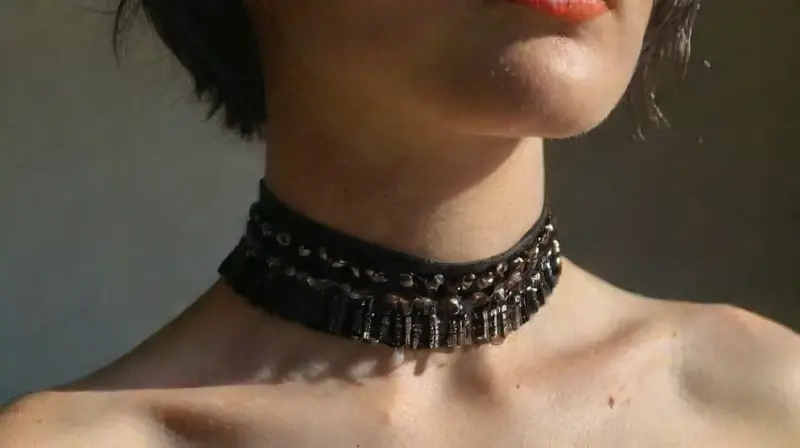
Neck and chest piercings, such as dermal anchors or surface piercings, represent bold choices for goths seeking a more dramatic aesthetic. These areas are less conventional and often used to make a striking statement.
Symbolically, these piercings can denote vulnerability and strength simultaneously. Since these are visible and sometimes painful to maintain, they emphasize commitment to personal style and resilience.
The designs chosen often incorporate gothic motifs like crosses, skulls, or crows, reinforcing themes of mortality, darkness, or rebirth. These elements help express complex emotions and personal narrative through body modification.
Lip and Tongue Piercings
Lip and tongue piercings are quintessential in goth culture for their provocative and edgy appearance. They often serve as a focal point that accentuates the face and enhances the overall aesthetic.
In terms of symbolism, lip and tongue piercings can represent rebellion, silence, or a desire to challenge norms. The act of piercing these sensitive areas also symbolizes a readiness to embrace pain and transformation.
Goth aesthetics often incorporate dark-colored jewelry or unique designs that complement their overall look. These piercings become an extension of their identity, allowing for personal expression and artistic flair.
Body Piercings and Surface Modifications

Surface piercings and other modified body parts, such as nape or collarbone piercings, are less common but highly striking within goth subculture. They require skilled placement and are intended to create a visual impact.
These modifications often symbolize a desire to break free from traditional boundaries and showcase a willingness to endure pain for artistic expression. They also serve to create cohesive aesthetic themes within goth fashion.
Design choices may include ornate jewelry, dark gemstones, or symbolic charms that reflect personal meaning. These piercings are a testament to the wearer’s dedication to their alternative lifestyle and dedication to self-expression.
Cultural Significance of Gothic Body Art
Goth body piercings deeply connect with the broader cultural identity of the goth movement, which emphasizes individuality, mystery, and the exploration of darker themes. They often act as visual artifacts that tell a story about personal history and beliefs.
This cultural significance is reinforced through the integration of gothic symbols into jewelry and piercings, such as skulls, bats, or coffins. These elements express a fascination with mortality, eternity, and the unknown.
Ultimately, gothic body art serves as a form of resistance against conventional notions of beauty and societal acceptance. It celebrates diversity, empowerment, and the freedom to express one’s true self without fear of judgment.
Conclusion
Goth-inspired body piercings are more than just decorative art; they are a profound form of self-expression rooted in symbolism and cultural identity. Each piercing carries personal meaning, whether as a statement of rebellion, a symbol of transformation, or a badge of belonging.
As an intersection of art, emotion, and identity, goth piercings challenge societal norms and invite a deeper understanding of individuality. They embody a fearless embrace of darkness and creativity, making them a powerful element of the goth aesthetic and ethos.
Leave a Reply