
Gothic tattoo artistry often draws inspiration from a rich tapestry of symbols and motifs that evoke a sense of mystery and allure. Incorporating mystical symbols into this style enhances the depth and complexity of the design, creating a captivating visual narrative. These symbols can serve as personal talismans, spiritual guides, or artistic expressions rooted in ancient traditions.
The allure of mystical elements lies in their ability to connect the wearer to a broader universe of meaning. When integrated thoughtfully into gothic ink, they transform a simple tattoo into a powerful statement that resonates on a spiritual and aesthetic level. Understanding the symbolism behind these figures is essential for creating a cohesive and impactful piece.
The Significance of Gothic Motifs
Gothic artwork is renowned for its dark, intricate, and dramatic motifs that evoke emotion and intrigue. These motifs often include elements like skulls, gargoyles, and ornate patterns that symbolize mortality, protection, or transformation. When combined with mystical symbols, they amplify the depth of the design, infusing it with spiritual significance.
The symbolic language of gothic art is deeply rooted in medieval and renaissance traditions. The inclusion of mystical symbols such as runes, celestial bodies, or alchemical signs can add layers of meaning. These elements serve as a bridge between the dark aesthetic and the aspirational or spiritual themes that the wearer wishes to express.
Incorporating mystical motifs into gothic designs also allows for personalization and storytelling. Each symbol can represent a personal journey or belief system, making the tattoo not just a piece of art but a meaningful narrative. It is this fusion of gothic style and mystical symbolism that creates truly mesmerizing tattoos.
Common Mystical Symbols Used in Gothic Ink
Many mystical symbols find their way into gothic tattoos, each carrying its own unique meaning and power. The moon is a popular motif, representing intuition, transformation, and the cycles of life. Its phases can be depicted to symbolize the different stages of personal growth or change.
Another frequently seen symbol is the star, which often signifies guidance, hope, and illumination in spiritual traditions. Stars are sometimes combined with dark, gothic elements like ravens or midnight backgrounds to create a mystical, otherworldly atmosphere. They serve as beacons of hope amid darkness and chaos.
Ancient runes and alchemical symbols are also prevalent in gothic ink. Runes embody specific energies or intentions, such as protection or love, while alchemical signs represent transformation and the pursuit of enlightenment. When incorporated into gothic designs, these symbols deepen the mystical narrative of the tattoo.
Techniques for Incorporating Symbols into Gothic Tattoos
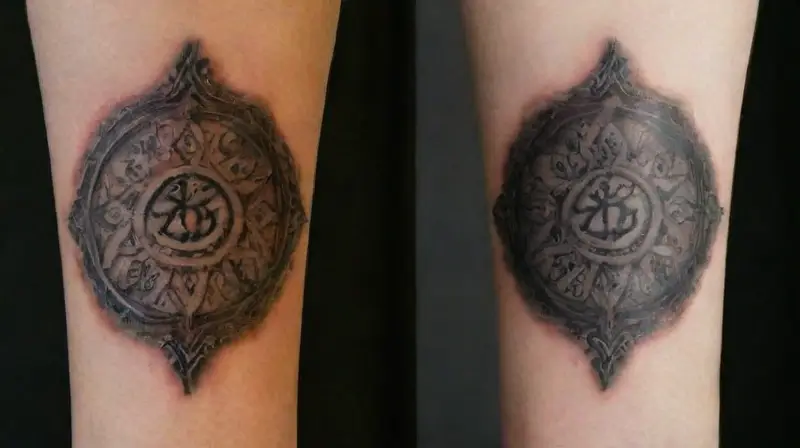
Integrating mystical symbols into gothic tattoo art requires careful planning and technique. The use of black ink, shading, and intricate line work help emphasize the gothic aesthetic while highlighting the symbolic elements. The contrast between dark shadows and detailed line work creates a sense of depth and mystique.
Placement is also crucial for the effectiveness of the design. Larger symbols like celestial bodies can serve as focal points, while smaller mystical motifs can be woven into patterns or borders. Strategically positioning these elements ensures they seamlessly blend with gothic motifs like filigree, gargoyles, or stained glass-inspired backgrounds.
Furthermore, artists often use symbolic colors to evoke specific emotions and energy. While gothic tattoos tend to favor monochrome or dark palettes, subtle hints of color—such as deep reds or purples—can enhance the mystical qualities of the symbols. Proper technique enhances their visibility and impact.
Cultural and Historical Context of Mystical Symbols
Understanding the cultural and historical background of mystical symbols enriches their incorporation into gothic ink. Many symbols originate from ancient civilizations like Egypt, Greece, or Scandinavia, each carrying distinct meanings. Respectful and informed use of these symbols can honor their origins and significance.
Historically, mystical symbols served as tools for spiritual communication, protection, or divination. For example, the pentagram has been associated with protection in many traditions, while omens and sigils were used to invoke specific energies. Incorporating these symbols connects modern tattoo art to centuries of magical and spiritual practice.
Recognizing the cultural significance also encourages personalized interpretation. A symbol’s meaning can vary based on individual beliefs and experiences. When a tattoo artist and wearer understand the historical context and significance of these symbols, they can create a more meaningful and authentic piece of art.
Combining Symbols for a Cohesive Design
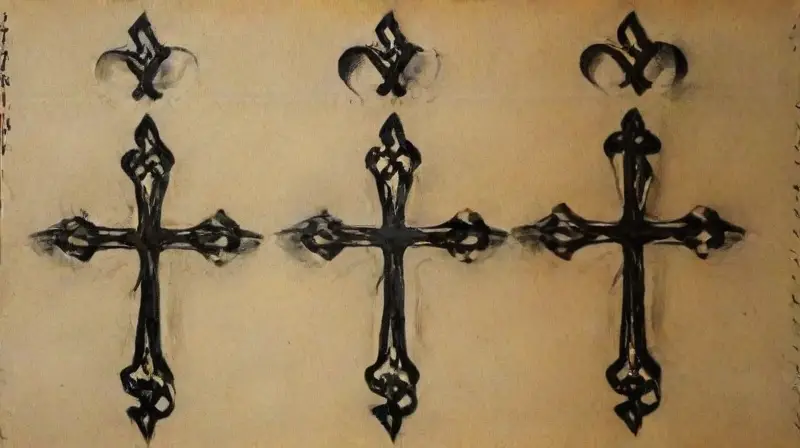
Creating a harmonious composition entails combining multiple mystical symbols with gothic motifs in a way that tells a unified story. The key is balance and flow—using design elements like symmetry, spacing, and contrast to guide the viewer’s eye. This approach ensures the symbols enhance rather than overwhelm the overall aesthetic.
Blending symbols like the moon, stars, and runes can produce a layered and intricate design that feels both mystical and gothic. Integrating them within backgrounds of ornate patterns, such as baroque or Victorian-inspired details, enriches the visual complexity. Artists often sketch multiple iterations to ensure the elements are cohesive.
Customization is crucial when combining symbols. Each element should have a clear purpose or personal relevance for the wearer. Through thoughtful placement and proportion, these symbols can work together to craft a tattoo that feels both mystical and stylistically authentic, making each piece unique and expressive.
Ethical Considerations in Using Mystical Symbols
When incorporating mystical symbols into gothic tattoos, it is important to approach their use with respect and awareness. Many symbols carry sacred or cultural significance, and misappropriation can be offensive or diminish their meaning. Artists and clients alike should educate themselves about the origins and proper context of these symbols.
Respectful use involves understanding the symbolism and avoiding stereotyping or cultural appropriation. For example, symbols from indigenous traditions or spiritual practices should be used thoughtfully, preferably with cultural consultation or acknowledgment. This approach preserves the integrity of the symbols and honors their origins.
Ethically incorporating mystical symbols also involves personal responsibility. The wearer should understand the significance of what they are choosing to ink on their body and consider how it aligns with their beliefs or intentions. Ultimately, a well-informed and respectful approach enriches the meaning and authenticity of the gothic tattoo.
Conclusion
Incorporating mystical symbols into gothic ink offers a powerful way to create tattoos that are both visually stunning and deeply meaningful. When approached with awareness and artistry, these symbols can transcend mere decoration, serving as personal amulets or spiritual expressions. The fusion of gothic aesthetics and mystical elements results in designs that captivate the eye and resonate on a soul level.
Ultimately, the successful integration of these symbols depends on thoughtful design, understanding, and respect. A skilled artist can craft a piece that not only looks beautiful but also tells a profound story, reflecting the wearer’s unique journey, beliefs, and connection to the mystical world. Such tattoos become treasured artifacts of personal identity and spiritual exploration.
Leave a Reply