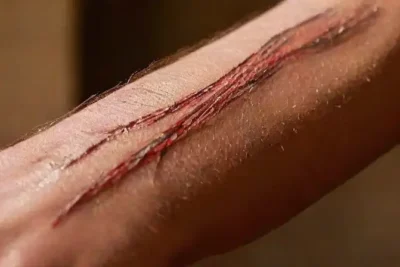
Throughout history, humans have used body modification as a means of cultural expression, identity, and social status. Scarification and other forms of body art have played a significant role in shaping societal traditions across diverse cultures worldwide. These practices often carry deep symbolism and are rooted in rituals, ceremonies, and communal bonds.
The origins of scarification and related body arts can be traced back thousands of years, revealing the importance of visual markers in human societies. From ancient tribes to modern communities, these forms of body modification continue to fascinate and inspire, reflecting both individual and collective histories. Their enduring appeal underscores their profound impact on cultural heritage.
Ancient Tribes and Rituals
Many ancient tribes employed scarification as a rite of passage, marking the transition from childhood to adulthood. These scar patterns often denoted social status and tribal affiliation, serving as a permanent record of an individual’s identity.
In some cultures, scarification was believed to possess spiritual powers, offering protection or blessings from ancestors and deities. Rituals involving these markings were communal events, reinforcing solidarity and shared beliefs within the group.
Furthermore, the techniques used in tribal scarification were passed down through generations, creating a continuity of tradition. Artisans specialized in precise designs, ensuring that each scarification reflected the cultural values and individual stories embedded within each pattern.
Cultural Significance of Scarification
Within many societies, scarification was more than mere decoration; it embodied values like bravery, resilience, and social acceptance. These scar patterns often celebrate personal or communal achievements and milestones.
Scarification could also serve as a form of warning or intimidation to outsiders, showcasing the strength and commitment of the individual. Such markings reinforced social boundaries and guarded against conflicts or misunderstandings.
In some cultures, scarification played a role in spiritual practices, linking the physical body to metaphysical worlds. The intricate designs often had meaningful symbolism, illustrating religious stories or cosmological beliefs.
Techniques and Materials

Traditional scarification techniques varied widely across regions and cultures, often involving sharp tools like knives or needles. These tools were used to create controlled abrasions on the skin, fostering healing into permanent scars.
Material selection was critical, with artisans ensuring hygiene and safety during the procedures to prevent infection. The healing process involved specific aftercare practices, sometimes incorporating herbal remedies and rituals.
Modern practitioners have adapted these methods using contemporary tools, but many still aim to preserve the traditional aesthetic and symbolism. Despite advancements, the core principles of scarification remain rooted in cultural authenticity.
Social and Personal Identity
Scarification acts as a powerful symbol of identity within various communities. It often signifies belonging, personal growth, or a rite of passage, carrying emotional and cultural weight.
Individuals may choose scarification to express personal stories or to honor their ancestry. These markings can serve as lifelong reminders of a pivotal moment or a deep connection to their heritage.
In modern contexts, people often view scarification as a form of self-expression, blending tradition with contemporary aesthetics. It fosters a sense of individuality while respecting the enduring cultural narratives behind the practice.
Modern Adaptations and Trends

Today, scarification has seen a revival among body art enthusiasts, artists, and cultural activists. Some communities seek to preserve traditional techniques, while others experiment with new designs and الإ styles.
Contemporary artists often collaborate with clients to create symbolic patterns that reflect personal or cultural meaning. The practice now exists both as an art form and a statement of identity.
The global connectivity facilitated by social media has increased awareness and appreciation of scarification as a rich cultural heritage. Nonetheless, practitioners emphasize the importance of respecting authenticity and cultural significance.
Ethical Considerations and Cultural Respect
The revival of scarification raises important ethical questions about cultural appropriation and sensitivity. It is crucial to approach these practices with respect, understanding their history and meaning within specific contexts.
Many advocates urge outsiders to learn about the origins and significance of scarification before engaging in or promoting its practice. This respect helps ensure that cultural symbolism is not diluted or misappropriated.
Furthermore, promoting safe and informed procedures—especially in non-traditional settings—remains an essential aspect of ethical engagement with scarification. Preserving cultural integrity supports the ongoing storytelling and legacy of these body arts.
Conclusion
Scarification and body art serve as enduring symbols of cultural identity and human creativity. Their rich history illustrates the profound ways in which societies have used visual markers to communicate values, achievements, and spiritual beliefs.
As these practices continue to evolve, it is vital to recognize their importance within cultural contexts and to approach them with respect. Preservation of their meaning and authenticity ensures that future generations can appreciate the depth and significance of this ancient art form.
Leave a Reply