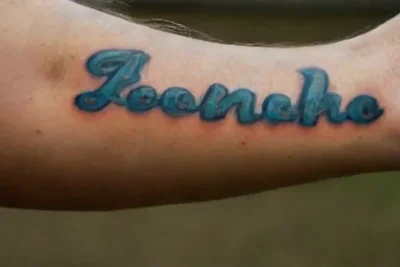
Color plays a vital role in the art of tattooing, especially when it comes to lettering tattoos. The choice of colors can greatly influence how a tattoo is perceived and the emotions it evokes. Tattoo enthusiasts often consider color psychology to ensure their designs communicate the intended message effectively.
Moreover, understanding how different colors affect viewers allows artists and clients to collaborate in creating meaningful and visually appealing tattoos. This intersection of art and psychology makes the selection of ink not just a stylistic decision but also a psychological one that adds depth to the tattoo’s significance.
The Impact of Color on Perception
Color influences the perception of a tattoo’s message, shaping how viewers interpret the design. Bright and bold colors tend to evoke feelings of energy and positivity, while darker shades might convey seriousness or somberness. The choice of hues can thus dramatically alter the overall tone of lettering tattoos.
For instance, red in lettering often symbolizes passion or love, making it popular for words like “Hope” or “Faith.” Conversely, blue shades might evoke calmness or stability, aligning with words like “Peace” or “Strength.” Recognizing these associations helps in crafting tattoos that resonate emotionally with viewers.
Color also affects readability and visibility. Vibrant colors enhance the clarity of intricate letterings, especially on lighter skin tones. Subtle or muted shades, on the other hand, can create a more understated and elegant effect, appealing to those seeking a minimalist look.
Cultural Significance of Colors
Colors carry diverse meanings across different cultures, which can influence how lettering tattoos are received globally. In Western societies, white often symbolizes purity, while in some Eastern cultures, it is associated with mourning. Understanding these nuances is essential for respectful and meaningful tattoo design.
In many cultures, red represents good luck and prosperity, making it an auspicious choice for tattoos aimed at bringing positive energy. Likewise, black can symbolize power or mystery, often used to add depth to lettering designs with bold statements. Awareness of these cultural meanings enhances the tattoo’s significance for the wearer.
Choosing specific colors can also reflect personal or cultural identity, allowing individuals to express their heritage or beliefs through lettering tattoos. Artists who are sensitive to these variations can better guide clients in selecting inks that align with their personal or cultural messaging.
Psychological Effects of Colors
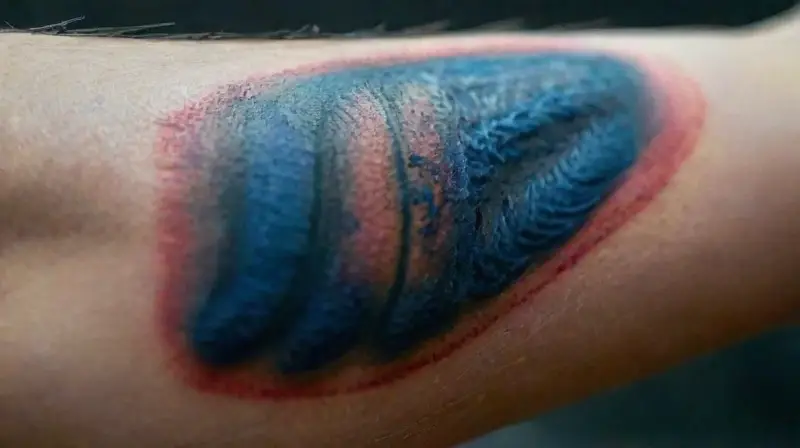
Colors have a profound psychological impact that can influence both the wearer and viewers of a tattoo. For example, yellow is often associated with happiness and optimism, which can energize a lettering tattoo meant to inspire. Conversely, darker hues like gray or black may evoke feelings of strength and resilience.
The emotional response elicited by a color can make a lettering tattoo more powerful and personal. Selecting a hue that resonates with the individual’s personality or life experience enhances the overall meaning of the design.
Furthermore, the mood of the observer can be affected by the color scheme of the tattoo. Bright and lively colors may uplift spirits, while subdued tones can provide a sense of calm or introspection. Understanding these psychological dynamics allows for more intentional and impactful tattoo designs.
Color Combinations in Lettering Tattoos
Combining colors thoughtfully can create a striking visual impact in lettering tattoos. Complementary and analogous color schemes can emphasize specific words or phrases, making them stand out more prominently. It also adds to the overall aesthetic harmony of the design.
Contrasting colors can be used to highlight important elements within the text, such as names or dates, ensuring they capture attention. However, overusing contrasting colors without balance can sometimes cause visual distraction, diminishing the tattoo’s clarity.
A well-executed color combination can also enhance the three-dimensional appearance of the lettering, providing depth and vibrancy. Professional tattoo artists leverage their understanding of color theory to craft designs that are both beautiful and meaningful.
Trends and Popular Color Choices
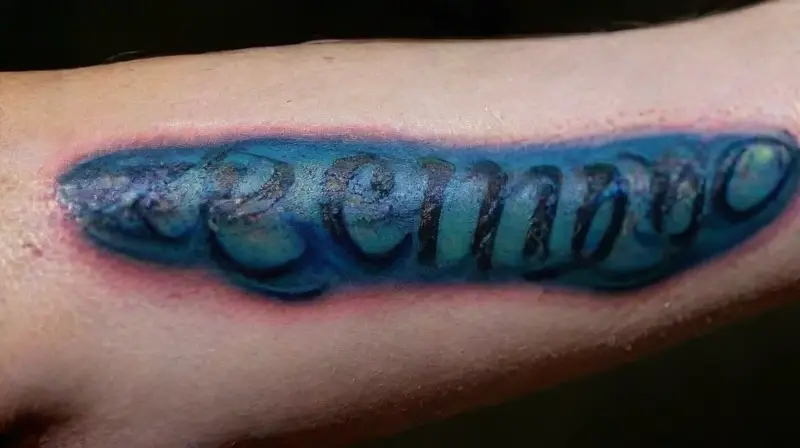
Current trends in lettering tattoos favor minimalism with subtle monochromatic palettes, often using black or dark gray inks. This style emphasizes simplicity and timeless elegance. However, vibrant colors are also gaining popularity for their emotional richness and visibility.
Bright shades like turquoise, lavender, or coral are increasingly used to add unique personality to lettering tattoos. These colors can reflect personal interests, favorite colors, or symbolic meanings, making the tattoo more personalized.
Choosing colors that align with personal values or aesthetic preferences helps in creating a design that remains meaningful over time. Staying informed about current trends enables clients and artists to develop innovative and relevant tattoo art.
Tattoo Ink and Color Longevity
The longevity of colors in lettering tattoos depends on the quality of the ink and the aftercare routines followed. Bright and bold colors like red and yellow tend to fade faster than darker shades if not properly cared for.
Understanding the properties of different inks allows for better selection of colors that will last. High-quality pigments and professional application ensure that the vibrant appearance of the tattoo endures over the years.
Proper aftercare, including sun protection and moisturizing, plays a crucial role in maintaining the clarity and brightness of colored lettering tattoos. Investing in quality ink and diligent care helps preserve the psychological and aesthetic impact of the original design.
Conclusion
Color psychology is a fundamental aspect of creating impactful and meaningful lettering tattoos. The choice of colors not only enhances visual appeal but also deepens the emotional and cultural message behind the design. By understanding these psychological associations, tattoo enthusiasts can select inks that truly resonate with their personal stories and identities.
Ultimately, thoughtful color selection contributes to the timelessness and significance of a tattoo. When combined with skilled artistry and proper care, the power of color in lettering tattoos can be fully realized, making each piece both a personal statement and a visual masterpiece.
Leave a Reply