
Creating a mandala tattoo is a deeply personal process that combines artistry with symbolism. Many individuals choose to get mandala designs to express their spiritual journey, inner balance, or cultural roots. The intricate details of a mandala symbolize harmony and unity, making it a popular choice for those seeking a meaningful body art. Designing a unique mandala requires careful thought about the elements that resonate most with the individual.
A custom mandala allows for complete personalization, reflecting one’s personal beliefs, experiences, or aspirations. Whether inspired by nature, spirituality, or geometric patterns, each element should be thoughtfully incorporated to enhance the overall significance of the tattoo. When done with intention, a mandala tattoo becomes more than just decoration—it’s a symbol of inner strength and growth.
Understanding the Symbolism of Mandalas
Mandalas are rooted in various spiritual traditions, notably Buddhism and Hinduism, where they serve as visual tools for meditation and spiritual development. The circular design represents wholeness and the universe, encouraging a sense of unity within oneself. Recognizing these meanings helps in designing a mandala that aligns with personal intentions and goals.
Each part of a mandala carries different symbolic meanings—from concentric circles representing layers of consciousness to intricate patterns signifying balance and order. Selecting symbols that mirror personal experiences or aspirations can deepen the tattoo’s significance. Understanding these symbolisms ensures the design resonates on a deeper level, making it truly unique.
Choosing the Right Shapes and Patterns
The foundation of a compelling mandala design lies in its shapes and patterns, which can range from simple geometric figures to complex motifs. Circular, triangular, and floral patterns are common choices, each conveying different emotions and meanings. Incorporating various shapes allows for a visually captivating composition that also holds personal significance.
Experimenting with different patterns can help create a harmonious balance in the overall design. Symmetry and repetition are key principles in mandala art, reinforcing feelings of stability and peace. Ensuring that the selected patterns align with the intended symbolism can make the tattoo more meaningful and aesthetically pleasing.
Incorporating Personal Elements
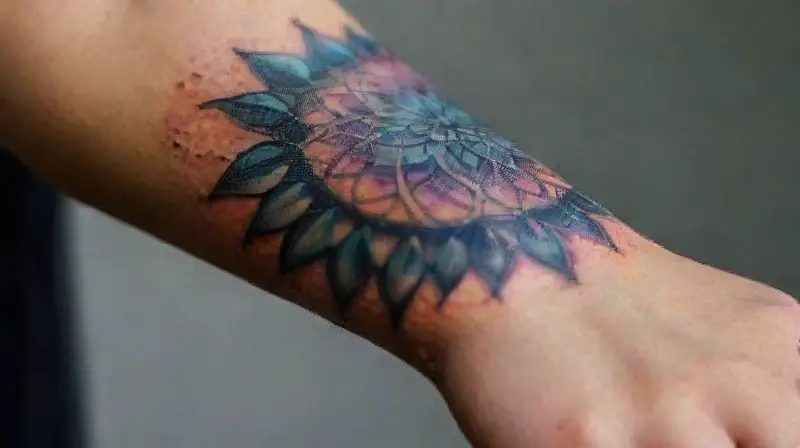
Adding personal symbols into a mandala design makes it truly one-of-a-kind. These could include initials, meaningful dates, or motifs from nature, such as leaves or animals. Integrating such elements allows the tattoo to narrate a personal story or commemorate significant moments in life.
Choosing which elements to include requires reflection on their significance. For example, a lotus flower might symbolize personal growth and enlightenment. Combining these symbols with traditional mandala patterns creates a unique visual narrative that reflects individual identity and experiences.
Selecting Colors for Your Mandala
Color plays a crucial role in enhancing the vibe of a mandala tattoo. Different hues evoke various emotions—blue can symbolize calmness, red represents passion, and gold signifies spiritual enlightenment. Carefully selecting a color palette ensures the tattoo communicates the intended feelings and symbolism.
Using contrasting or complementary colors can add depth and vibrancy to the design. Psychologically, colors influence perception and mood, so choosing the right palette can reinforce the tattoo’s overall message. Collaborating with a tattoo artist to explore color options enhances the personalization and visual impact.
Planning the Placement and Size

Deciding where to place a mandala tattoo is essential for maximizing its impact and personal significance. Larger designs work well on expansive areas like the back, chest, or thigh, providing room for detailed artwork. Smaller mandalas can be integrated into the wrist, ankle, or behind the ear for subtle yet meaningful expressions.
The size of the tattoo influences its visibility and how detailed it can be. Consider how the location aligns with daily activities or future plans, as some placements may affect healing or maintenance. Proper planning ensures the design complements the body’s natural contours and achieves the desired aesthetic.
Working With a Professional Artist
Creating a custom mandala tattoo is best achieved by collaborating with an experienced tattoo artist who understands complex patterns and symbolism. An artist can help refine the design, offering insights into proportions, details, and color choices to bring your vision to life. Communication about your ideas and preferences is key to a satisfying outcome.
Reviewing portfolios and discussing specific concepts ensures the artist understands your expectations. They can also suggest modifications that enhance the overall balance and flow of the design, tailored to your body shape. Trusting a professional guarantees a high-quality, lasting tattoo that holds personal significance.
Conclusion
Designing a custom mandala tattoo involves a blend of personal symbolism, artistic expression, and thoughtful planning. Taking the time to understand the meaning behind different patterns and elements allows for a more intentional and impactful design. When the artwork aligns with personal values and stories, it becomes a lifelong emblem of identity and inner harmony.
Ultimately, a well-designed mandala tattoo serves as a visual reminder of one’s journey towards balance and enlightenment. By collaborating with skilled artists and carefully selecting symbols, colors, and placement, individuals can create a truly meaningful piece of body art. Such a tattoo not only adorns the body but also enriches the soul.
Leave a Reply