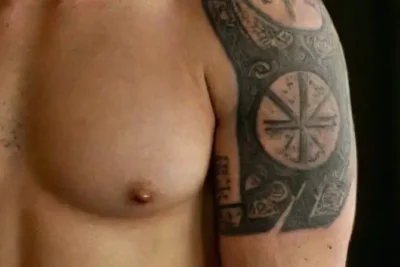
Throughout history, humans have turned to various symbols to protect themselves from harm, evil, or misfortune. These protective symbols, often rooted in mythical narratives, find their way into countless cultural practices and artistic expressions. Body art serves as a powerful medium for conveying these ancient beliefs, transforming the skin into a canvas of spiritual protection.
The use of apotropaic symbols—designs believed to ward off evil spirits—has been prevalent across civilizations. From tattooing to scarification, individuals have employed these symbols to carry their cultural identity and safeguard their well-being. Exploring these motifs reveals a fascinating connection between myths, protective practices, and personal expression in body art.
Origins of Apotropaic Symbols in Mythology
Many symbols originated from the rich tapestries of ancient mythology where gods, spirits, and supernatural entities played central roles. These myths often portrayed symbols as powerful tools that could influence the spiritual realm. Over time, such symbols transitioned from stories into tangible objects and body markings.
For example, the ancient Egyptians used hieroglyphs representing protective deities, while the Greeks employed symbols like the evil eye to ward off malevolent forces. These stories helped embed the symbols into daily life, making them essential components of cultural identity and spiritual protection.
The transmission of these symbols from myth to body art often involved sacred rituals or ceremonies. Crafting or tattooing a symbol was seen as a sacred act that invoked divine protection. Over centuries, these symbols retained their potency, becoming enduring elements in personal and communal identity.
Cultural Variations of Protective Symbols
Different cultures have developed unique apotropaic motifs based on their mythical beliefs and environmental contexts. For instance, Polynesian tattooing, or tatatau, incorporates symbols meant to protect warriors and travelers from evil spirits. Such designs are deeply interwoven with cultural traditions.
In Africa, scarification often served as a symbol of spiritual protection and social status. These markings were believed to ward off harmful spirits and bring good fortune. The intricate patterns often held special significance, linking individual identity to ancestral and mystical realms.
Similarly, in Indigenous American cultures, symbols like the bear or eagle represented strength and protection. These symbols were embedded into body art as talismanic emblems, believed to invoke the powers of nature and myth to safeguard the individual from evil influences.
The Symbol of the Evil Eye

The evil eye is one of the most widespread apotropaic symbols across many civilizations. Originating in ancient Mesopotamia, it was thought that envy or malevolent intent could cause harm through a glance. To ward off this danger, various cultures adopted protective amulets and symbols.
In body art, representations of the evil eye are often depicted as circles, dots, or stylized eyewear. These designs are tattooed or painted to distract and repel malicious intent. The belief in its power persists in modern practices, linking contemporary individuals to age-old superstitions.
The symbolism of the evil eye highlights the human desire to control unseen forces and ensure safety. Whether as jewelry, tattoos, or body markings, these symbols serve as a personal shield against misfortune rooted in fear and superstition.
Protective Symbols in Tattoos
Tattoos are among the most enduring forms of body art used for protection. Many cultures incorporate mythical symbols into tattoo designs, believing they carry spiritual power. These markings are not just decorative but are integral to personal identity and protection.
In Japan, the * doga* or irezumi tattoos often include mythological symbols like dragons or koi fish, conveying strength and safeguarding the wearer. These motifs are regarded as amulets, capable of warding off evil spirits or ill fortune. Their placement and design are carefully considered to enhance their protective qualities.
Western traditions also feature symbolic tattoos—such as a cross or iconic protective characters—that serve as reminders of faith and divine protection. In contemporary society, individuals choose symbols with personal meanings to manifest their desire for safety and spiritual security.
Scarification and Body Markings as Spiritual Shields

Scarification involves deliberately creating permanent patterns on the skin, often as protective symbols rooted in mythical lore. These markings function as spiritual shields and are believed to ward off evil spirits or misfortune. The process itself holds ritualistic significance.
In many African and Pacific cultures, scarification is a rite of passage that solidifies identity and spiritual protection. The patterns are carefully chosen based on mythic and ancestral stories, reinforcing the individual’s connection to their heritage and protection forces.
The visual impact of these markings is often as powerful as their symbolic content. They serve as living Talismanic artifacts, continuously reminding communities of their spiritual safeguarding and cultural history.
Modern Interpretations and Uses
Today, apotropaic symbols have found new life in popular culture and personal body art. Many individuals incorporate mythical symbols into tattoos or jewelry as modern talismans. The meaning often extends beyond traditional superstitions to personal beliefs or life aspirations.
Contemporary artists frequently reimagine ancient motifs, blending them with modern aesthetics. This cultural fusion helps keep protective symbols relevant and empower individuals through meaningful body art. For many, these symbols act as reminders of inner strength and resilience.
With growing global awareness, apotropaic symbols are also embraced as fashion statements that connect people to their mythical pasts. The revival of these symbols emphasizes their enduring power to inspire, protect, and unify communities across time and culture.
Conclusion
The journey of apotropaic symbols from ancient mythical stories to modern body art underscores their timeless appeal. These symbols embody a universal desire for protection and serve as visual manifestations of cultural heritage and spiritual beliefs. Their presence in body art continues to be a powerful testament to human creativity and longing for safety.
In contemporary times, the ancestral meaning of these symbols often merges with personal stories and aspirations, creating a rich tapestry of protection and identity. Whether as tattoos, jewelry, or scarifications, apotropaic symbols remain a profound way for individuals to connect with mythical lore and invoke divine safeguarding in their lives.
Leave a Reply