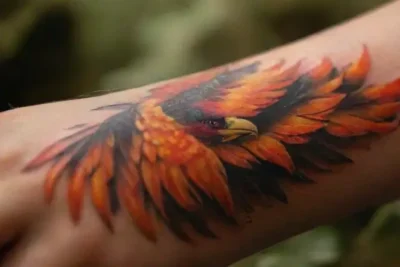
Tattoos have long been associated with various myths and misconceptions that often influence people’s perceptions. These stories sometimes cloud the true meaning, history, and safety of getting inked. Understanding the reality behind tattoos can help dispel unwarranted fears and promote a more accepting attitude. Many believe that tattoos are solely rebellious or unprofessional, but this perception is increasingly outdated as society becomes more open-minded and informed.
Similarly, mythical creatures such as dragons, unicorns, and mermaids have captured the human imagination for centuries. However, numerous mythical stories have fueled misconceptions about the origins and significance of these fantastical beings. Exploring the truth behind these legends can enrich our understanding of cultural traditions and the symbolism associated with them. Both tattoos and mythical animals hold deep cultural roots that deserve a more nuanced perspective.
The History of Tattoos
Tattoos have a rich history that predates many modern civilizations. They were initially used as symbols of status, protection, or spiritual significance in various cultures around the world. For example, ancient Egyptians and Polynesians employed tattooing techniques to denote rank or religious beliefs. These practices highlight how tattoos can serve as meaningful cultural expressions rather than mere fashion statements.
Despite their ancient origins, tattoos have often been misunderstood. Some myths falsely claim that tattooing is dangerous or unhygienic, but modern methods ensure safety and sterilization. Historically, tattoos bore significant social and personal meaning, linked to rites of passage, identity, or historical memory. Recognizing this deep heritage helps to challenge the misconception that tattoos lack purpose or significance.
Tattoo Safety and Myths
A common myth about tattoos is that they are inherently unsafe or cause severe health problems. While early tattooing procedures could pose risks, today’s techniques and regulations have significantly improved safety standards. Licensed studios use sterile equipment, which minimizes infection risk and other complications.
Many people worry about allergic reactions or the permanence of tattoos. However, advances in ink formulas and skin testing contribute to safer outcomes. It’s important to consult with professional artists who follow strict hygiene practices. These measures help dispel the myth that tattoos are unsafe, emphasizing their acceptance as a modern form of personal expression.
Mythical Creatures in Culture
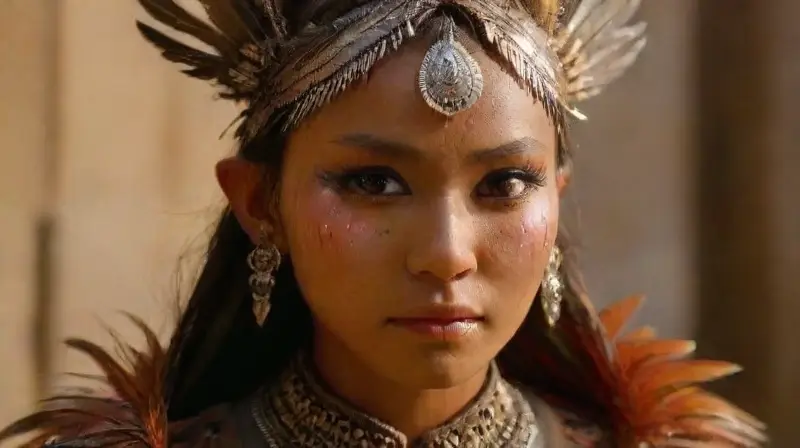
Mythical creatures have played a vital role in literature, folklore, and art across most civilizations. They symbolize various attributes such as strength, wisdom, or danger, shaping storytelling and cultural values. For instance, dragons often represent chaos or power, while unicorns symbolize purity and innocence.
While these beings are fictional, their mythical qualities often reflect human hopes, fears, and morals. Many stories about these creatures have been passed down through generations, suggesting they serve as allegories or lessons. Understanding their cultural significance can help us appreciate the depth behind their seemingly fantastical appearances.
The Symbolism of Mythical Beasts
Mythical animals are rich symbols that convey complex ideas across different cultures. For example, a dragon might symbolize protection in Chinese tradition or destructive power in Western tales. Similarly, a phoenix signifies rebirth and renewal, embodying resilience and transformation.
People often choose mythical symbols in tattoos to reflect personal qualities or aspirations. The symbolism behind these creatures can serve as a source of inspiration or guidance. Exploring their meanings reveals how deeply humans connect with these stories, transforming myths into personal or cultural emblems.
Tattoos and Personal Identity
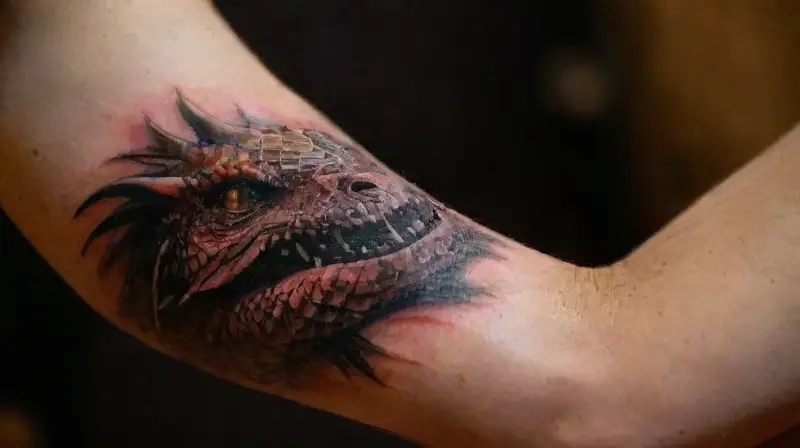
Getting a tattoo is often a deliberate expression of individual identity or beliefs. Many choose specific designs to commemorate loved ones, milestones, or personal philosophies. Tattoos can serve as visual affirmations of who someone is or as a statement to the world.
Contrary to stereotypes, tattoos are not just impulsive decisions; they are often meaningful acts of self-expression. They can also foster a sense of connection to cultural roots or personal narratives. This perspective helps reduce the stigma surrounding tattoos, revealing their role in shaping and showcasing personal identity.
The Evolution of Myths and Tattoos
Both tattoos and mythical stories have evolved over time, shaped by cultural changes and societal values. What was once considered taboo or frightening may now be embraced as an art form or cultural heritage. As society becomes more accepting, misconceptions decline, allowing for a broader appreciation.
Understanding how myths and tattoo practices have adapted across eras highlights the importance of context. Recognizing their historical evolution encourages an open-minded attitude and appreciation for diversity. Embracing this evolution allows us to see tattoos and myths as vital parts of cultural expression rather than outdated stereotypes.
Conclusion
In summary, both tattoos and mythical creatures carry significant cultural and historical meanings that are often misunderstood. Debunking myths about their safety, significance, and symbolism helps foster a more informed and accepting perspective. Recognizing their depth and relevance invites a broader appreciation of human creativity and cultural diversity.
By examining the truths behind these stories and practices, we can appreciate them as powerful forms of personal and cultural expression. Removing misconceptions allows individuals to celebrate their identity and heritage confidently. Embracing this understanding enriches our collective knowledge and promotes a more inclusive view of artistic and mythological traditions.
Leave a Reply