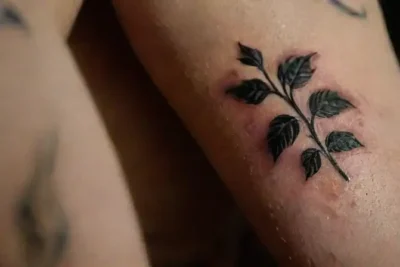
Getting a tattoo is often described as a deeply personal experience. It combines artistry, emotion, and a touch of risk, making each piece unique to its owner. Many enthusiasts believe that enduring the pain enhances the overall meaning and aesthetic of the tattoo, giving it a special significance beyond its visual appeal.
However, the relationship between pain and beauty in tattoo art remains a topic of ongoing debate. Some argue that pain can heighten the intensity of the experience, leading to a more profound appreciation of the artwork. Others see it simply as part of the process, with no direct impact on the visual outcome.
The Role of Pain in the Artistic Process
Pain often acts as a catalyst in the creation of meaningful tattoos. When an individual endures discomfort, it can deepen their connection to the design, transforming it into a symbol of perseverance or personal growth. This emotional layer can make the tattoo more captivating and resonant.
Tattoo artists sometimes use the sensation of pain to push clients beyond their comfort zones. It encourages a shared experience that can strengthen the bond between artist and client. In this way, pain becomes not just a hurdle but an integral part of crafting art that carries emotional weight.
Furthermore, the intensity of pain can influence the technique used. More delicate and detailed work may require patience and endurance, adding a layer of artistry to the process. In this sense, pain becomes a component of the creative challenge, shaping the final appearance of the tattoo.
Psychological Impact of Enduring Pain
Enduring pain during tattooing can lead to a sense of achievement and empowerment. Many individuals find that overcoming the discomfort makes their tattoo meaningful, serving as a reminder of their resilience.
This psychological effect can also alter how the tattoo is perceived afterward. People often view tattoos acquired through discomfort as more authentic and significant, which can enhance their perceived beauty and value.
Lastly, experiencing pain during tattooing might influence the aesthetic choices of individuals. Some prefer more extravagant or intricate designs because they associate the sacrifice involved with creating them as part of their beauty. The pain, in this context, becomes intertwined with the artistic expression.
The Artistic Perspective on Pain and Beauty

Many artists see pain as a vital element in the creation of compelling tattoo art. It can serve as a motivator for both the artist and the client to focus intensely on the details and overall aesthetics.
Pain also introduces a performance aspect to tattooing, where endurance and patience highlight the skill and dedication involved. This process elevates the tattoo beyond mere decoration, positioning it as a test of strength and artistic commitment.
From an esthetic standpoint, some artists believe that the temporary discomfort involved in tattooing enhances the visual impact. The knowledge of the pain endured can lend a powerful aura to the finished piece, making it more captivating.
Cultural Significance and Pain
In many cultures, pain is traditionally associated with spirituality and transformation. Tattooing rituals often involve significant suffering, symbolizing the individual’s passage through different life stages or rites of initiation.
This cultural context adds another layer to the idea that pain can enhance beauty. The symbolism of enduring hardship to acquire something of value elevates the significance of the tattoo, making it not just art but a testament to personal or communal identity.
In this way, the painful process anchors the tattoo within a broader cultural narrative. The sacrifice involved can make the artwork more meaningful and beautiful in the eyes of both the wearer and observers.
Pain and the Perception of Beauty
Pain experienced during tattooing can influence the observer’s perception of the artwork’s beauty. The story behind a tattoo—highlighted by the suffering endured—can add an emotional dimension that enhances its aesthetic appeal.
People often admire tattoos that appear daring or hard-won, associating the effort and sacrifice with higher artistic value. This external perception underscores how pain can contribute to the beauty of a tattoo in popular culture.
However, some believe that true beauty lies in the artwork itself, independent of the experience endured to create it. In this perspective, the visual appeal remains paramount, and pain is seen as a byproduct rather than an integral part of the artistic integrity.
The Influence of Pain on Tattoo Design and Style

The level of discomfort can determine the style and complexity of a tattoo. More painful areas, such as ribs or ankles, often limit the size and detail of the design chosen.
This necessity can lead artists and clients to adapt their ideas, opting for simpler or more bold styles that are more tolerable during the process. In some cases, this influence can result in distinctive artistic choices that define the tattoo’s overall appearance.
Additionally, the experience of enduring pain may inspire creative approaches to minimize discomfort while maintaining visual impact. This ongoing dialogue between pain and artistic expression can produce unique and innovative tattoo works.
The Future of Pain and Beauty in Tattoo Art
Advances in technology and techniques aim to reduce the pain associated with tattooing, potentially shifting the focus more towards aesthetic innovation. As pain becomes less prominent, the emphasis on design and quality may intensify.
Nevertheless, the traditional view that suffering can elevate the meaning and beauty of tattoos continues to resonate with many. It highlights a philosophical aspect where the journey and sacrifice are inherently linked to artistic value.
Looking ahead, it’s likely that the balance between overcoming pain and creating beauty will evolve. Whether pain remains a symbolic part of tattoo art or becomes less relevant, its impact on the perception of beauty will continue to shape the culture of tattooing.
Conclusion
In conclusion, pain plays a complex role in the artistic and emotional dimension of tattoos. For many, enduring discomfort enhances the meaning and depth of their tattoos, making them more than just visual expressions. The sacrifice involved often contributes to the value and appeal of the artwork in both personal and cultural contexts.
While technological advances may reduce the physical discomfort of tattooing, the symbolic relationship between pain and beauty endures. It remains a powerful element that influences how tattoos are perceived, appreciated, and valued across societies and individual stories.
Leave a Reply