
In today’s society, tattoos and piercings are no longer just acts of self-expression but symbols of defiance against conventional standards. Many individuals choose to adorn their bodies as a way to challenge societal expectations and forge their own identities. These forms of body art have become powerful tools for those who wish to stand out and communicate their uniqueness.
The act of breaking norms through tattoos and piercings often carries deep personal significance. For some, it represents a journey of self-discovery, while for others, it is a statement of rebellion. Regardless of the motivation, these modifications serve as bold declarations of independence and individuality in an increasingly conformist world.
Challenging Society’s Expectations
Tattoos and piercings are often viewed as rejections of traditional beauty standards, encouraging personal freedom. This act of defiance can be empowering, allowing individuals to resist dictation from societal pressures to conform. Many see body modifications as a way to reclaim control over their appearance and self-image.
By choosing to embrace body art, people challenge the stigma surrounding tattoos and piercings. They help to normalize these forms of expression within mainstream culture. Over time, such acts foster greater acceptance and understanding, breaking down prejudices and stereotypes.
Expressing oneself uniquely often involves pushing boundaries that have long been set by society. Tattoos and piercings act as a visual language, narrating personal stories and beliefs that defy conventional modes of appearance. This rebellion against conformity is both a statement and an assertion of independence.
Personal Identity and Self-Expression
Getting a tattoo or piercing can symbolize a significant aspect of one’s identity. It can commemorate meaningful experiences or personal beliefs that define who a person is. These markings become permanent reminders of individual journeys and transformation.
For many, body modifications serve as a form of authenticity—a way to stay true to themselves amidst external pressures to conform. They express their values and passions outwardly, making their inner world visible to others.
The freedom to choose body art as a form of self-expression empowers individuals to embrace their uniqueness. It challenges the notion that beauty must be homogeneous and opens up space for diverse representations of identity.
Overcoming Stigma

Despite increasing acceptance, many still face stigma related to tattoos and piercings. They might encounter negative judgments or prejudiced opinions rooted in outdated stereotypes. Challenging this bias requires courage and resilience.
People with body modifications often become ambassadors for change, helping to shift societal views toward acceptance and understanding. Their willingness to defy conventional standards inspires others to embrace their own unique traits.
Overcoming societal stigma allows individuals to live with authenticity. Recognizing tattoos and piercings as forms of art and personal expression helps foster more inclusive communities where diversity is celebrated.
Artistic Freedom and Creativity
Tattoos and piercings are also regarded as a form of artistic expression that celebrates creativity. They transform the human body into a canvas for imagination and skill, showcasing diverse styles and cultural influences.
This form of art challenges traditional notions of aesthetics, encouraging experimentation with forms and designs. Artists and clients alike push boundaries, creating works that are deeply personal and visually stunning.
Breaking norms in body art often involves exploring unconventional patterns and concepts that defy mainstream trends. Such creativity drives the evolution of body modification as a respected art form.
Cultural Significance
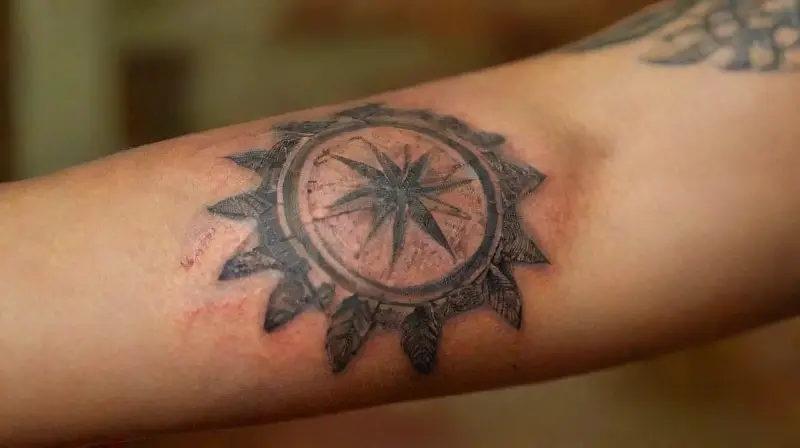
Many cultures have long used tattoos and piercings as symbols of identity, status, or spiritual belief. These body modifications carry deep cultural meanings and histories that transcend modern fashion trends.
In contemporary contexts, breaking norms with tattoos and piercings can also serve as a way to honor cultural roots or challenge cultural appropriation. It fosters a dialogue about respecting origins while adapting art forms for personal expression.
Recognizing the cultural importance of body modifications underscores their power as a form of communication. It highlights how breaking societal rules can also pay tribute to heritage and shared history.
Rebellion and Defiance
Choosing to get tattoos or piercings often symbolizes rebellion against societal expectations that prioritize uniformity. It is an act of defying conformity and asserting personal freedom.
This rebellious spirit can be a response to feeling constrained by social norms or searching for a sense of belonging outside mainstream groups. Body modifications provide a visible expression of non-conformity.
Such acts of defiance inspire others to question what is deemed acceptable, encouraging a broader dialogue about individuality and freedom of choice. They remind society that true beauty lies in diversity and originality.
Conclusion
Body art, including tattoos and piercings, embodies a powerful statement against societal norms and expectations. It allows individuals to assert their identity, challenge stigmas, and celebrate their uniqueness. By breaking conventions, people forge paths towards greater personal freedom and acceptance.
Ultimately, these forms of expression foster a more inclusive and diverse world where individuality is cherished. Embracing body modifications as a form of art and rebellion helps redefine societal standards and encourages others to express themselves authentically.
Leave a Reply