
Native American tribes have a rich history of spiritual expression through body art and modifications. These practices serve as symbols of identity, spiritual connection, and cultural heritage. For centuries, tattoos and piercings have been integral to their rituals, storytelling, and social status.
Understanding these traditions provides a window into their belief systems and societal values. They transcend mere decoration, embodying profound meanings that preserve history and foster community bonds across generations.
The Cultural Significance of Tattoos
In many Native American tribes, tattoos are more than just artwork; they are sacred markings that signify milestones, achievements, or spiritual awakening. Each design is carefully chosen to represent personal stories or tribal identity.
These tattoos often align with spiritual beliefs, serving as protection or blessings from ancestors and spirits. They are believed to carry spiritual power, enhancing the wearer’s connection to the divine or nature.
Additionally, tattooing rituals are often accompanied by ceremonies, reinforcing their sacred status. The process itself can act as a rite of passage, marking a transition into a new phase of life or social standing.
Symbolism in Tattoo Designs
Native American tattoo patterns are deeply symbolic, often depicting animals, celestial bodies, or geometric shapes. For example, bears symbolize strength, while eagles represent freedom and vision.
Colors also hold specific meanings, with black typically representing power or mourning, and red symbolizing life and vitality. These elements combine to create a visual language that communicates individual stories and tribal mythologies.
Designs are traditionally passed down or created under the guidance of spiritual leaders. This ensures the tattoos remain culturally authentic and spiritually meaningful for the individual and community.
Piercings as Spiritual Practice
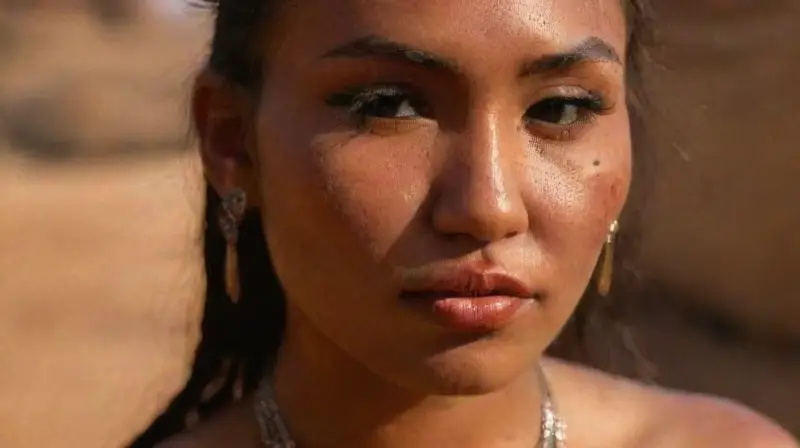
Piercings hold a significant place in Native American spiritual practices, often serving as rites of passage or symbols of identity. They can denote tribal affiliation, social status, or spiritual dedication.
The placement of piercings, such as on the nose, lips, or ears, often has specific symbolic connotations linked to cultural beliefs and spiritual protection. For example, some tribes believe that facial piercings help connect individuals to ancestral spirits.
The process of piercing is usually performed during ceremonial events, with rituals that seek blessings or purification. These ceremonies reinforce the spiritual significance and communal connection of the practice.
Rituals and Ceremonies
Tattooing and piercing are often part of elaborate rituals that include prayer, chants, and offerings. These ceremonies are designed to invoke protection, guidance, or spiritual power.
Participants may undergo fasting or other preparatory steps to attain spiritual purity before their tattoos or piercings. Such practices emphasize the sacred nature of body modifications.
Elders or spiritual leaders typically oversee these ceremonies, ensuring that the rites uphold cultural traditions and spiritual integrity. These practices serve to honor ancestors and maintain cultural continuity.
Modern Revival and Preservation
Today, there is a growing movement among Native Americans to revive traditional tattoo and piercing practices. Artists are working to preserve ancient techniques and designs, emphasizing their cultural importance.
This revival is also a form of resistance against cultural assimilation, asserting Native identity and heritage. Many young members see body art as a way to reconnect with their roots and express their pride.
However, it is crucial that these practices are carried out respectfully and authentically, often with guidance from tribal elders or cultural experts. This ensures the spiritual integrity and cultural authenticity of the traditional body modifications.
Contemporary Indigenous Artists
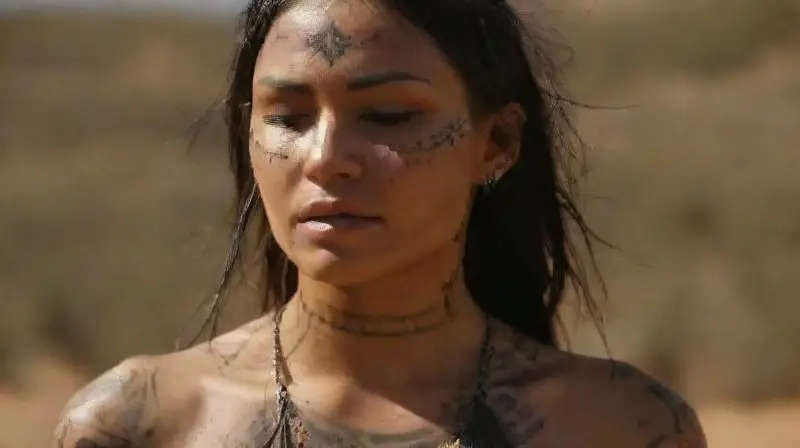
Contemporary Native artists are redefining the tradition of spiritual body art, blending ancient symbols with modern styles. Their work often aims to educate and raise awareness about Native cultures.
Many of these artists focus on healing and empowerment through their art, promoting cultural resilience. They serve as custodians of the spiritual and artistic legacy of their ancestors.
Public exhibitions, workshops, and social media platforms have helped disseminate these modern interpretations, fostering a dialogue about cultural identity and spiritual expression in the 21st century.
Ethical Considerations and Cultural Appropriation
As Native American body art gains popularity outside indigenous communities, issues of cultural appropriation arise. It’s essential to respect the sacred meanings and origins of these traditions.
Non-Native individuals interested in body modifications should seek guidance from authentic sources or community members to avoid misrepresentation or disrespect. Proper understanding and reverence are key to honoring these practices.
Supporting indigenous artists and respecting cultural boundaries can help ensure that these sacred symbols remain meaningful and properly valued. Recognizing body art as a vital aspect of cultural identity is fundamental to preserving their spiritual significance.
Conclusion
Native American spiritual tattoos and piercings are profound expressions of identity and tradition. They serve as vessels for cultural stories, spiritual protection, and community bonding, passing down wisdom from generation to generation.
Preserving and respecting these practices is essential for honoring indigenous heritage and ensuring that their sacred meanings are upheld. As modern society becomes increasingly interested in body art, it remains important to approach these traditions with sensitivity and understanding to maintain their spiritual integrity.
Leave a Reply