
Removing a piercing can be a delicate process that requires careful attention to avoid unwanted discoloration or damage to the skin. Many individuals seek to prevent any changing in skin tone or pigmentation after removing jewelry, ensuring that their skin remains healthy and aesthetically pleasing. Proper technique and post-removal care are essential components of this process.
Discoloration often occurs due to factors such as trauma, skin reactions, or improper removal methods. Understanding the causes and adopting best practices can significantly reduce the risk of unwanted discoloration, promoting a more natural skin appearance after piercing removal. Educating oneself on these methods is key to maintaining skin integrity.
Understanding Skin Reaction During Removal
When a piercing is removed, the skin around the site undergoes a process of healing which can sometimes trigger discoloration. This reaction is influenced by individual skin type, the duration of the piercing, and how the removal is performed. Recognizing these factors can help in planning a safer removal process.
In some cases, the skin may develop a temporary discoloration due to inflammation or minor trauma caused during removal. Chronic irritation or infection can further complicate healing, possibly leading to more persistent pigmentation issues. Proper assessment of the skin condition beforehand is crucial to minimize adverse effects.
The healing response also depends on the body’s ability to regenerate skin cells efficiently. Some people may experience hyperpigmentation or hypopigmentation post-removal, which highlights the importance of gentle techniques. Awareness about these reactions helps in selecting appropriate removal strategies that prioritize skin health.
Choosing the Right Removal Technique
Selecting a proper method for piercing removal is vital to prevent discoloration. Professionals often recommend using sterile tools and techniques designed to minimize trauma to the skin. This ensures that the skin is less likely to react adversely during and after the removal process.
For simple piercings, carefully unscrewing or gently pulling out the jewelry may suffice. However, complex or embedded piercings might require professional intervention to ensure safe removal. Consulting with an experienced piercer reduces the chances of damaging the surrounding skin tissue.
Utilizing appropriate techniques involves more than just the removal method; it also includes preparing the skin and understanding its sensitivity levels. Using sanitized tools and employing gentle pressure can prevent unnecessary trauma, thereby decreasing the risk of discoloration and scarring.
Post-Removal Care to Prevent Discoloration

Post-removal care is critical in minimizing discoloration. Immediate cleaning with gentle antiseptics can prevent infection, which might otherwise cause pigmentation changes. Keeping the area dry and avoiding harsh chemicals supports healthy healing.
Applying soothing topical agents, such as aloe vera or vitamin E ointments, can help reduce inflammation and promote skin regeneration. Consistent care during the healing phase can significantly lessen the appearance of any skin tone change that might occur.
Another important aspect is protecting the skin from sun exposure during healing. UV rays can exacerbate hyperpigmentation, leading to more noticeable discoloration. Using sunscreen or covering the area can help maintain an even skin tone throughout recovery.
Identifying Signs of Discoloration
Recognizing early signs of discoloration enables prompt intervention and better outcomes. Common indicators include changes in skin color—either darkening or lightening—in the area surrounding the piercing site. Noticing these signals encourages timely care adjustments.
Persistent redness, dark patches, or uneven pigmentation are signs that the healing process may be affected. It is important to differentiate between temporary post-inflammatory changes and more significant pigmentation problems that might require professional treatment.
Monitoring the skin regularly during the healing process allows individuals to respond quickly if discoloration worsens or persists beyond typical healing times. Early identification can prevent long-term skin tone alterations and facilitate appropriate treatments.
Treatments for Discoloration Repair
Addressing discoloration after piercing removal involves various treatment options. Topical creams containing ingredients like hydroquinone, kojic acid, or niacinamide may help lighten hyperpigmented areas. These should be used under medical supervision to ensure safety and effectiveness.
Procedures such as chemical peels or laser therapy are also options for more stubborn cases of pigmentation. These treatments can target deeper layers of skin to improve uniformity. Consulting with a dermatologist ensures the selection of a suitable treatment plan based on individual skin type.
Adopting a comprehensive approach—including proper skin care, sun protection, and possibly professional interventions—can accelerate discoloration healing. Consistency and patience are key factors in achieving the desired skin tone restoration.
Preventing Discoloration Before Removal
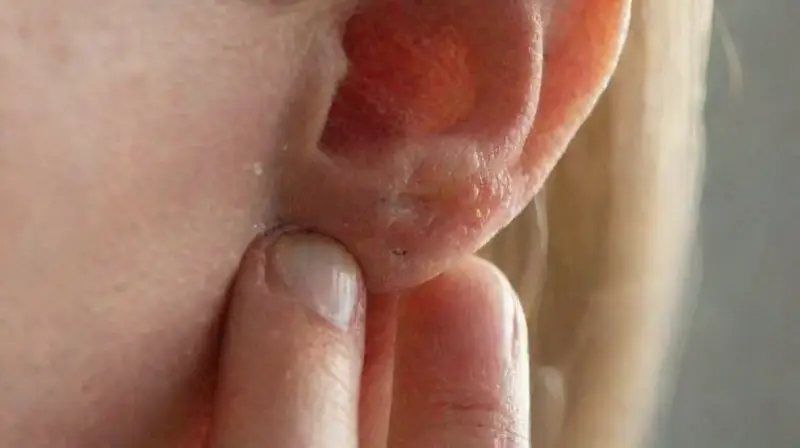
Prevention begins with proper planning before removing a piercing. Ensuring the piercing has fully healed reduces the likelihood of skin reactions. Consulting a professional to assess the healing status helps determine the safest removal timing.
Keeping the skin well-moisturized and insect protected can also prepare it for the removal process, minimizing trauma. Gentle cleaning routines before removal help maintain healthy skin and make the process smoother, lowering the risk of discoloration.
Educating oneself about the removal procedure and potential risks contributes to better outcomes. Using sterilized tools and avoiding unnecessary pulling or tearing preserves skin integrity and supports an even healing process free of pigmentation issues.
Recommendations for a Safe Removal Process
To ensure a discoloration-free removal, follow these guidelines: always go to qualified professionals, use sterile instruments, and work slowly and gently. Proper technique minimizes trauma and prevents unwanted skin tone changes.
It’s also essential to follow aftercare instructions meticulously, including cleaning protocols and avoiding irritants. Regularly monitoring the healing progress allows for early intervention if any signs of discoloration or infection develop.
Incorporating these precautions into the removal process enhances healing quality and reduces the chance of permanent pigmentation issues. A careful, informed approach is the best way to maintain healthy, evenly toned skin after removing a piercing.
Conclusion
Properly managing piercing removal is crucial to avoid discoloration and ensure healthy skin recovery. Understanding the causes of pigmentation changes and adopting safe removal practices can significantly improve healing outcomes and maintain skin aesthetics.
Careful post-removal care, combined with professional guidance and preventive measures, provides the best strategy to minimize discoloration. Prioritizing gentle techniques and skin protection during healing helps ensure the skin remains clear, smooth, and evenly toned.
Leave a Reply