
Tattooing has become a popular form of self-expression around the world, with millions of individuals sporting permanent images on their skin. However, despite its widespread adoption, many are unaware of the potential health implications associated with tattoo inks. One such concern involves the possibility of reactivity between tattoo pigments and underlying skin conditions, which can lead to adverse reactions or exacerbate existing issues.
This phenomenon, known as cross-reactivity, occurs when components in the tattoo ink interact with skin elements or immune system components. Recognizing and understanding these interactions is crucial for both tattoo artists and clients, especially those with pre-existing skin conditions. An awareness of how tattoo inks might influence or worsen certain skin ailments can guide safer tattooing practices and inform diagnosis and treatment.
Composition of tattoo inks
Tattoo inks are composed of various pigments, solvents, and additives. Historically, inorganic and organic pigments have been used to produce a wide range of colors and effects in tattooing. These pigments often contain metallic compounds, which can sometimes trigger allergic reactions or other immune responses in sensitive individuals.
The chemical makeup of tattoo inks influences their stability and potential for reactivity. Some pigments are prone to breakdown or transformation over time, releasing reactive substances that can cause complications. Moreover, the variability in ink formulations between manufacturers makes it important to consider the individual composition of inks used in each case.
Certain pigments, such as those containing cobalt, nickel, or chromium, are known allergens and can be particularly problematic for individuals with skin conditions like dermatitis. Additionally, recent concerns have been raised about the presence of contaminants and unregulated substances, which may pose further risks for cross-reactivity.
Skin conditions affected by tattoo inks
Several skin conditions can be influenced by tattoo inks, especially those involving immune system sensitivity. Allergic contact dermatitis is among the most common reactions, characterized by redness, swelling, and itching at the tattoo site.
In some cases, individuals with pre-existing conditions such as psoriasis or atopic dermatitis experience flare-ups following tattooing. The ink components may act as irritants or provoke immune responses that worsen these chronic skin diseases. Furthermore, granulomatous reactions and lichenoid eruptions have also been associated with certain pigments.
It is important to note that some autoimmune skin conditions may be affected by tattoo inks through mechanisms that are still under investigation. The interaction between tattoo pigments and immune system dysregulation remains an area of active research to better understand potential cross-reactivity and adverse effects.
Mechanisms of cross-reactivity
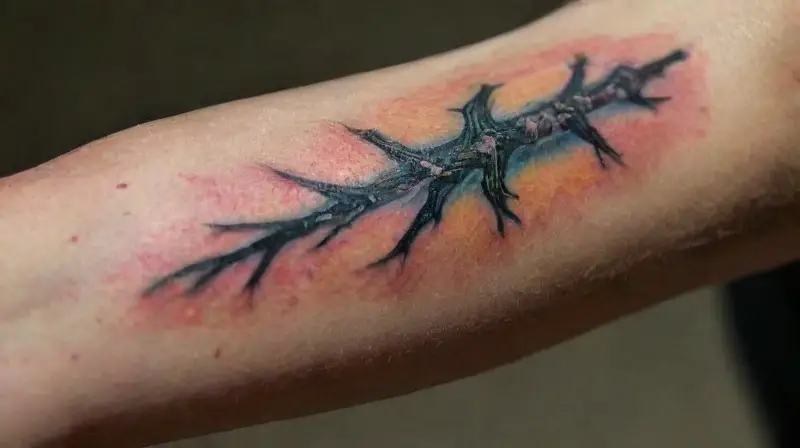
Cross-reactivity occurs when the immune system recognizes a component of the tattoo ink as a threat due to its similarity to an allergen or antigen. This can trigger immune responses that target not only the pigment but also the surrounding skin tissue, leading to inflammation or other manifestations.
Many pigments contain metals or organic compounds that can act as hapten molecules, binding to skin proteins and transforming into complete antigens. Once this occurs, immune cells may respond aggressively, resulting in allergic dermatitis or other skin reactions.
The individual’s genetic predisposition plays a significant role in susceptibility to cross-reactivity. People with a history of allergies or autoimmune conditions are often more prone to see reactions when exposed to certain tattoo pigments, emphasizing the importance of thorough medical histories and testing when necessary.
Diagnosis and clinical management
Diagnosing skin reactions related to tattoo inks can be challenging, as symptoms may resemble other skin conditions. Patch testing is frequently employed to identify specific allergens responsible for the reaction and to determine the causative pigment or component.
Once a diagnosis is established, treatment typically involves topical or systemic medications, including corticosteroids to reduce inflammation. In some cases, removal of the offending pigment may be necessary, though it can be complicated and may require laser-based techniques.
Preventive strategies are also important, especially for individuals with known skin conditions or sensitivities. Consulting with dermatologists before tattooing and considering allergy testing can help mitigate risks associated with cross-reactivity to tattoo inks.
Regulatory and safety considerations
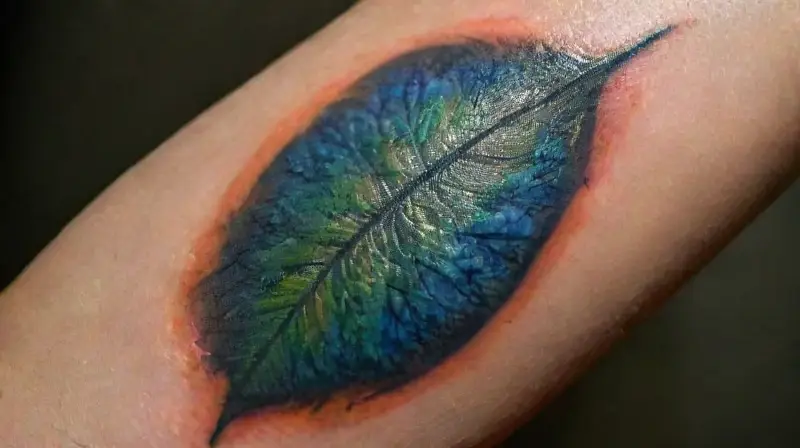
Regulation of tattoo inks varies across countries, with some jurisdictions enforcing strict standards for composition and safety. Nonetheless, many inks still contain unregulated substances that pose risks to consumers, including potential cross-reactivity issues.
Manufacturers are encouraged to improve transparency about their ingredient lists and adhere to safety standards to minimize allergenic and reactive components. The presence of heavy metals and other contaminants in some inks underscores the need for stringent regulation and quality control.
Education of tattoo artists and clients about the risks related to ink composition and skin reactivity is a critical component of safety protocols. Public health initiatives can promote safer practices and reduce adverse skin reactions linked to cross-reactivity of tattoo inks.
Impact on tattoo removal procedures
For individuals experiencing adverse reactions or unwanted immune responses, tattoo removal becomes a necessary process. Laser removal techniques target pigment particles to break them down, facilitating their elimination from the skin.
However, cross-reactivity can influence the efficacy and safety of removal procedures. Reactions involving immune sensitization may lead to increased inflammation or other complications during or after removal. Proper assessment by dermatologists prior to removal is essential to minimize risks.
In some cases, residual pigment or immune hypersensitivity may persist even after removal. This situation requires careful monitoring and management to prevent long-term skin issues or scarring associated with immune cross-reactivity.
Conclusion
Understanding the cross-reactivity of tattoo inks with skin conditions is vital for ensuring patient safety and improving clinical outcomes. Recognizing the potential for immune responses driven by pigment composition helps in making informed decisions before, during, and after tattooing.
Advances in regulation, research, and education are essential to mitigate risks associated with reactive ink components. Promoting awareness among tattoo artists, clinicians, and the public can lead to safer tattoo practices and better management of skin conditions related to tattoo inks.
Leave a Reply