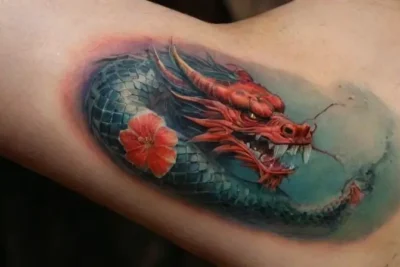
Fusion tattoo art is an innovative expression that merges different artistic styles to create unique and personalized designs. This approach allows artists and clients to experiment with various visual elements, ultimately crafting tattoos that are truly one-of-a-kind. As the tattoo industry evolves, blending styles has become a popular trend, pushing the boundaries of traditional tattooing.
Many enthusiasts appreciate diversity in design, seeking something that stands out and reflects their individual personality. Fusion tattoos not only showcase technical skill but also storytelling, combining motifs, colors, and techniques from multiple traditions. This artistic versatility results in a broader spectrum of creative possibilities for both artists and wearers.
The Origins of Fusion Tattoo Art
The roots of fusion tattoo art can be traced back to cultural exchanges that occurred over centuries. Indigenous, tribal, and classical designs often influenced modern artists, inspiring them to blend different techniques into a cohesive piece. This blending often involved integrating symbolism and motifs from various heritages.
During the 20th century, globalization and increased travel exposed tattoo artists to diverse styles worldwide. This exposure led to a cross-pollination of ideas, encouraging innovative combinations. As a result, modern fusion tattoo art emerged as a vibrant fusion of traditional and contemporary elements.
Artists began experimenting with techniques like Japanese Irezumi, traditional American Americana, and Polynesian motifs, integrating them seamlessly. The desire for personalization and meaningful designs motivated many to explore these hybrid styles. Thus, fusion tattoo art became both an artistic and cultural phenomenon.
Popular Fusion Styles
One of the most common fusion styles combines realism with geometric patterns. This pairing allows for detailed, lifelike images complemented by sharp, abstract shapes. The contrast between organic forms and precise lines creates dynamic, eye-catching tattoos that make a bold statement.
Another popular combination is watercolor with traditional blackwork. The vibrant, flowing colors of watercolor tattoos contrast beautifully with the bold, solid lines of black work. This fusion results in designs that are both soft and striking, perfect for expressive and vibrant compositions.
Additionally, neo-traditional and tribal styles often blend to produce designs that honor ancient motifs while embracing modern aesthetics. This fusion can incorporate bold lines and exaggerated features with intricate tribal patterns, producing stunning, culturally rich images. The diversity of these styles reflects the creative freedom artists have today.
Challenges of Blending Styles

Creating a fusion tattoo requires a high level of skill and understanding of different techniques. Artists must be able to seamlessly integrate contrasting elements without losing visual harmony. This balance is crucial to ensure the design is cohesive and aesthetically pleasing.
Another challenge is managing cultural sensitivity. When combining symbols and motifs from various cultures, artists must approach their work with respect and awareness to avoid misrepresentation or cultural appropriation. Proper research and understanding are essential.
Moreover, choosing the right placement and size is vital to accommodate the complexity of fusion designs. Some intricate combinations may require larger canvases to retain detail and clarity. Successful fusion tattoos depend greatly on careful planning and execution.
Tools and Techniques
To achieve stunning fusion effects, artists utilize a variety of tools and techniques. High-quality needles, inks, and shading tools allow for precision and durability. Digital design software can also assist in planning and visualizing complex combinations before inking.
Techniques such as layering and blending are fundamental in fusion tattooing. Gradual color transitions, shadowing, and line work help in merging different styles seamlessly. Mastering these methods enables artists to create smooth integrations and achieve depth.
Furthermore, experimenting with experimental techniques like stippling or pointillism can add texture and dimension. By combining traditional methods with innovative approaches, tattoo artists can push creative boundaries and craft distinctive fusion designs.
Client Considerations

When opting for a fusion tattoo, clients should consider their personal story and how different styles reflect their identity. Communicating the significance behind the design helps artists craft more meaningful and authentic pieces.
It’s essential to work with an artist experienced in multiple styles to ensure the final work meets expectations. Reviewing portfolios and discussing ideas thoroughly can lead to a more satisfying outcome. Proper planning and collaboration are key components of successful fusion tattoos.
Additionally, clients should be prepared for potential costs and longer session times, as complex designs often require more detail and multiple sittings. Investing in quality ensures durability and visual impact, making the effort worthwhile for a unique masterpiece.
Future Trends in Fusion Tattoo Art
The future of fusion tattoo art looks promising, with ongoing innovations in technology and new artistic influences shaping the industry. Augmented reality and 3D tattooing are opening up possibilities for more immersive and dynamic designs blending multiple styles.
Emerging styles such as bio-organic and cyberpunk fusion are gaining popularity among adventurous clients. These styles integrate futuristic aesthetics with traditional motifs, creating cutting-edge visual stories. The blending of styles encourages continuous experimentation and evolution.
As awareness around cultural sensitivity grows, artists are striving to incorporate diverse influences ethically and respectfully. Collaborative projects and cultural consultations help deepen the understanding and appreciation of different traditions in fusion tattoos. The harmonious integration of styles promises an exciting future for tattoo art.
Conclusion
Fusion tattoo art represents an exciting frontier in the world of body art, blending different styles to create highly personalized and expressive designs. Its versatility empowers both artists and clients to push creative boundaries and explore new visual horizons. As the industry continues to evolve, fusion tattoos will undoubtedly become more innovative and culturally rich.
Ultimately, this approach celebrates diversity and artistic innovation, transforming tattoos from simple images into meaningful stories told through complex, layered designs. The harmony of different styles not only showcases technical mastery but also emphasizes individual identity and cultural appreciation. Fusion tattoo art is truly a testament to the endless possibilities in tattooing today.
Leave a Reply