
In recent years, tattoo art has evolved far beyond traditional designs to embrace complex, imaginative themes. Among these, surrealism has gained prominence, captivating enthusiasts with its dream-like and often bizarre visuals. This movement, originally rooted in early 20th-century art, now finds a vibrant expression on skin, blending fantasy with reality.
Contemporary tattoo artists are pushing creative boundaries by incorporating surrealist motifs, transforming the human canvas into a portal of imagination. These designs challenge perceptions, inviting viewers to explore subconscious worlds and alternative dimensions. As a result, surrealist tattoos serve not just as decorative art but as personal statements about identity and perception.
The Origins of Surrealism in Art
Surrealism emerged in the early 1920s as an artistic movement aimed at unlocking the unconscious mind. Artists like Salvador Dalí and René Magritte created striking images that defied logical explanation. Their work emphasized dream imagery, unexpected combinations, and symbolic themes.
This movement was heavily influenced by psychoanalytic theories, which explored deep-seated desires and fears. Surrealism sought to break free from rational constraints, embracing chaos and subconscious intuition. Its impact extended beyond painting and sculpture, inspiring literature, film, and now, tattoo designs.
The core principle was to challenge conventions and question reality itself. Surrealists believed that true creativity could only flourish when signed free from limitations. This rebellious spirit aligns well with contemporary tattooing, which often seeks to defy norms and express individuality.
Surrealist Motifs in Modern Tattoos
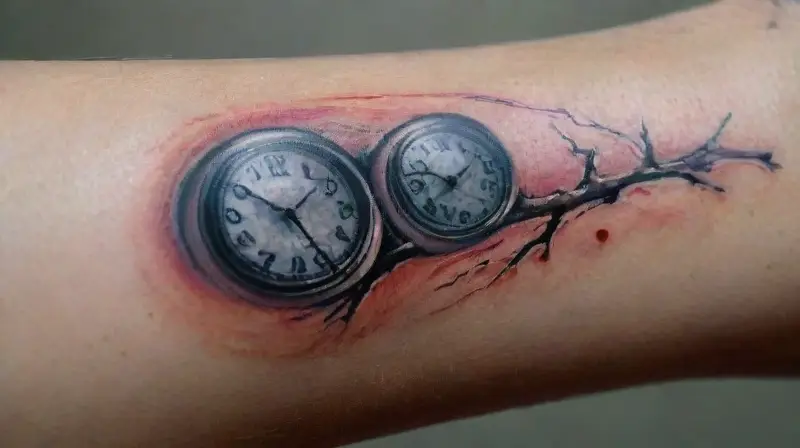
Today’s surrealist tattoos feature an array of motifs such as melting clocks, floating objects, and distorted faces. These images evoke the feeling of stepping into a dreamscape, where conventional rules no longer apply. Artists utilize bold shading and intricate details to bring these fantastical visions to life.
Many tattoos incorporate layered symbolism, inviting viewers to interpret multiple levels of meaning. For example, a tattoo might depict a cracked mirror reflecting a surreal scene, hinting at themes of identity and perception. Such designs often evoke emotional responses, encouraging introspection.
The use of unexpected combinations—like animals with human features or objects in impossible contexts—adds to the surreal allure. Artists often personalize these motifs, turning tattoos into deeply personal expressions of the subconscious mind. This fusion of symbolism and craftsmanship makes surrealist tattoos uniquely compelling.
Techniques and Styles

Creating surrealist tattoos requires a high level of skill and imagination. Artists employ a variety of techniques, including fine line work, realistic shading, and vibrant color palettes. Their mastery allows them to craft illusions and distort perspectives convincingly.
Photorealism is often used to depict surreal elements with astonishing detail, making the impossible appear tangible. Conversely, more abstract approaches rely on fluid shapes and patterns, emphasizing movement and transformation. This versatility allows artists to customize designs that resonate with individual stories.
Color choices are crucial in surrealist tattoo art. Bright, contrasting hues can enhance some motifs, while monochrome palettes lend a more somber tone to others. Deep understanding of lighting and depth contributes to achieving the dream-like, uncanny atmosphere characteristic of surrealism.
Popular Surrealist Symbols and Imagery
Certain symbols and images have become iconic within surrealist tattoo art. For instance, melting clocks symbolize the fluidity of time, while floating islands evoke a sense of escape and otherworldliness. These elements serve as metaphors for exploring subconscious themes.
Animals, such as wings or other fantastical creatures, often appear in surreal tattoos, representing freedom or the imagination. Human faces and body parts may be distorted or combined with objects to symbolize inner conflicts or hidden desires. Each element is carefully chosen to add layers of meaning.
Dream-inspired imagery like staircases leading nowhere or half-visible faces creates a feeling of mystery and intrigue. Such motifs encourage viewers to interpret the story behind each tattoo, making every piece a personal myth. Their surreal nature invites continuous reflection.
The Cultural Impact of Surrealist Tattoos
Surrealist tattoos reflect a broader cultural movement towards embracing complexity and ambiguity. They challenge societal norms about beauty and identity, encouraging individual expression through unconventional designs. This rejection of traditional aesthetics aligns with an era of greater personal authenticity.
Moreover, these tattoos often serve as a form of rebellion or protest, embodying a desire to break free from mimetics and rational constraints. They resonate with those seeking to explore their subconscious, making the body a canvas for psychological narratives. This cultural shift recognizes tattooing as an art form rooted in personal storytelling.
As social acceptance of tattoos continues to grow, surrealist designs gain further popularity among diverse communities. They are no longer seen solely as rebellious or fringe art but as meaningful expressions of complex inner worlds. This evolution elevates tattooing as a sophisticated, introspective medium.
The Future of Surrealist Tattoos
Looking ahead, the fusion of technology and art promises exciting developments for surrealist tattooing. Advances in digital design and tattoo tools allow for even more intricate and precise visualizations. Artists can now push the boundaries of what’s possible on skin.
Emerging trends include augmented reality (AR) tattoos, where digital layers enhance the surreal experience. This integration could enable wearers to interact with their tattoos, revealing hidden symbols or animations. Such innovations will deepen the connection between art and technology.
Ultimately, the personal nature of surrealist tattoos ensures their continued relevance. As individuals seek meaningful ways to express their subconscious minds, this genre will likely flourish. The human body will remain a limitless canvas for surrealist dreams and imaginative narratives.
Conclusion
Surrealist themes in contemporary tattoos embody the essence of imagination and the subconscious, transforming body art into a personal mythology. These designs challenge viewers to look beyond surface appearances and explore hidden worlds of thought and emotion. They represent a bold departure from traditional aesthetics, emphasizing individuality and psychological depth.
As tattoo artists continue to innovate and experiment with surreal concepts, this art form will maintain its role as a powerful medium for self-expression and storytelling. Surrealist tattoos push the boundaries of what body art can achieve, blending fantasy and reality into a seamless visual narrative that is both mesmerizing and meaningful.
Leave a Reply