
Scarification has been practiced by various cultures around the world for centuries, serving as a profound form of body modification. It is more than just aesthetic; it embodies deep meaning, identity, and social acceptance within different communities. The intricate patterns and designs often symbolize important milestones, rites of passage, or spiritual beliefs.
Throughout history, scarification has been used to communicate status, bravery, and belonging. It often reflects a person’s journey, social role, or clan affiliation, making it a vital element of cultural heritage. Despite modern perceptions, these practices continue to be significant in preserving traditions and cultural identities.
Origins and Historical Context
The origins of scarification date back thousands of years to early civilizations across Africa, Oceania, and the Americas. Many societies developed elaborate techniques to create permanent marks that carried symbolic weight. These markings often marked important life instances such as initiation or marriage.
Historically, scarification served as a visual language that conveyed social hierarchy, ethnic identity, or spiritual power. In some cultures, the process itself was regarded as a sacred rite, involving rituals performed by experienced practitioners. These origins reveal the practice’s deep roots in human history and spirituality.
Cultural Identity and Symbolism
In many cultures, scarification is a potent expression of cultural identity. The patterns and locations of scars often indicate a person’s age, gender, or societal role. They act as visual markers that distinguish members of specific groups or communities.
The symbolism behind scarification varies widely, but it typically represents strength, resilience, and commitment. For example, some scars symbolize a rite of passage into adulthood, while others signify triumph over adversity. They serve as enduring testaments to individual and collective history.
Rites of Passage and Social Structure
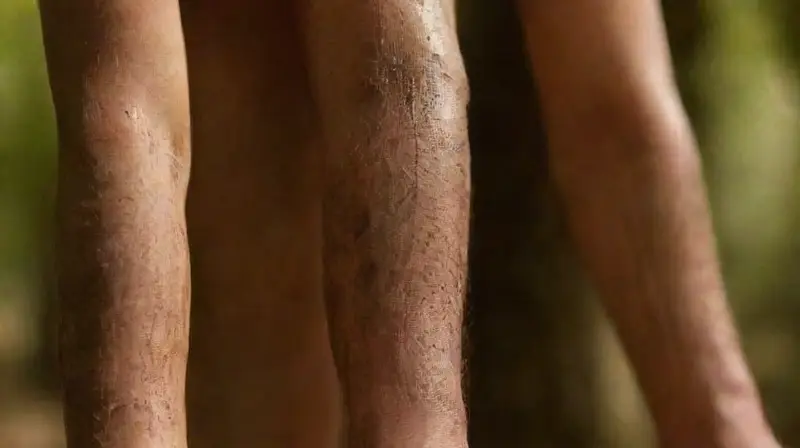
Scarification frequently plays a critical role in rites of passage. Young individuals undergoing scarification often are recognized as having achieved a new status within their community, such as becoming warriors or elders. The process marks the transition from childhood to adulthood.
In addition, scarification can reinforce social bonds among community members. By participating in scarification rituals, individuals demonstrate their loyalty and dedication to cultural traditions. These marks then become enduring symbols of social cohesion.
Techniques and Practices
The methods used in scarification are highly specialized and vary across cultures. They typically involve cutting, scratching, or branding the skin using sharp tools. Sometimes, natural substances are used to facilitate healing and pigmentation.
Healing processes are just as important as the application of scars, often involving specific rituals. The scars are carefully maintained as they form permanent, resilient designs. These techniques are passed down through generations, preserving traditional craftsmanship.
Contemporary Perspectives and Changes

Today, scarification is increasingly seen from different viewpoints, ranging from cultural preservation to personal expression. Some communities continue the tradition as an essential part of their identity, despite external influences. Others adapt the practice to modern contexts, blending tradition with contemporary aesthetics.
However, there are concerns about safety and ethical considerations associated with scarification. Medical risks and cultural appropriation are often discussed in these debates. As a result, some cultures are re-evaluating the practice in light of modern health standards and cultural sensitivities.
Preservation and Future of Scarification
Efforts to document and preserve traditional scarification techniques are ongoing as part of cultural heritage initiatives. Many practitioners and communities seek to ensure that these ancient arts are not lost to time. Education and respectful collaboration are crucial in this process.
The future of scarification lies in balancing tradition with innovation. While some cultures advocate for its continued practice, others are exploring alternative ways to honor their heritage through art and performance. Ultimately, scarification remains a powerful symbol of identity and cultural resilience.
Conclusion
Scarification holds profound cultural significance, acting as a visual language that encodes social, spiritual, and personal values. For many communities, these markings are more than body art; they are vital rituals that uphold traditions and reinforce social bonds.
Recognizing the cultural importance of scarification allows for greater appreciation of its role in human history. As societies evolve, respecting and supporting these practices can help preserve diverse heritages and honor the identities they symbolize.
Leave a Reply