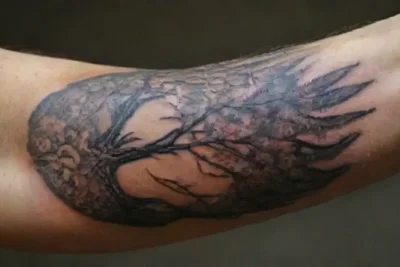
Body art has long served as a profound expression of identity, culture, and personal beliefs. Over centuries, various societies have utilized tattoos, piercings, and other modifications to communicate social status, spiritual connections, or individual stories. Today, the significance of these symbols continues to evolve, reflecting both tradition and contemporary motivation.
In modern times, body art has become a powerful form of self-discovery and transformation. Many individuals see it as a way to reclaim their bodies, mark important life milestones, or challenge societal norms. These symbols often carry deep personal meaning, acting as permanent reminders of change and growth.
The Cultural Significance of Tattoos
Tattoos have been an integral part of many cultures for thousands of years. Indigenous groups in Polynesia, Africa, and the Americas have used intricate inkings to signify tribal affiliations, achievements, or spiritual beliefs. Such markings often served as rites of passage or protection.
In contemporary society, tattoos have taken on a more personalized meaning. People often choose designs that resonate with their life experiences or commemorate loved ones. Despite their modern outlook, many still recognize tattoos as connectors to ancestral traditions and cultural roots.
The artistry involved in traditional tattooing techniques reflects a deep respect for cultural heritage. These methods are often passed down through generations, embodying a sense of continuity that links past and present. This cultural symbolism underscores the enduring power of body art as a form of identity.
Piercings as Acts of Rebellion and Identity
Piercings have historically symbolized rebellion, social status, or spiritual belief. From ancient civilizations like Egypt and Greece to modern subcultures, they have served as markers of difference and personal choice. The placement and style of piercings often convey meaning about the wearer.
In recent decades, piercings have become mainstream, representing individuality and self-expression. Many see them as a way to stand out, challenge societal expectations, or mark milestones such as coming-of-age or personal transformations. The act of piercing often enhances a sense of empowerment and autonomy.
Beyond aesthetics, piercings can be part of ritualistic practices or spiritual ceremonies. For some, they symbolize overcoming adversity or embracing a new phase in life. These physical modifications thus function as powerful symbols of personal evolution and resilience.
Body Modifications as Personal Transformation
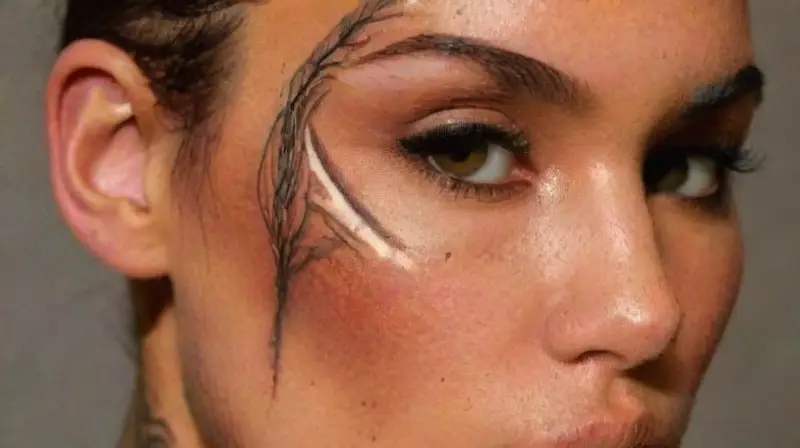
Body modifications—such as scarification or subdermal implants—are increasingly recognized as artistic expressions of personal transformation. These modifications often involve a deliberate alteration of the body’s surface to symbolize overcoming hardship or embracing change.
Individuals who choose such modifications frequently do so to embody a particular narrative or emotional state. For some, they serve as physical reminders of recovery, resilience, or identity formation. The commitment to permanently altering one’s body indicates a deep level of dedication to one’s personal journey.
This form of body art is also a boundary-pushing act that challenges societal notions of beauty and normalcy. It invites a broader discussion about body autonomy and the ways in which humans can use art to transform perceptions and themselves.
Symbolic Motifs and Their Meaning
Certain motifs in body art carry universally recognized symbolic meanings. For example, a lotus flower often signifies growth and enlightenment, while a serpent may represent renewal or danger. These symbols are carefully selected to reflect the wearer’s values or aspirations.
Design choices can also be deeply personal, representing life milestones, memories, or spiritual beliefs. The visual language of symbols allows individuals to communicate complex concepts without words, making body art a silent but potent form of storytelling.
Over time, these motifs can evolve, acquiring new layers of meaning based on personal experiences or cultural shifts. Their interpretation adds richness to the art form, emphasizing its role as a vessel for ongoing transformation.
The Role of Rituals in Body Art Practices
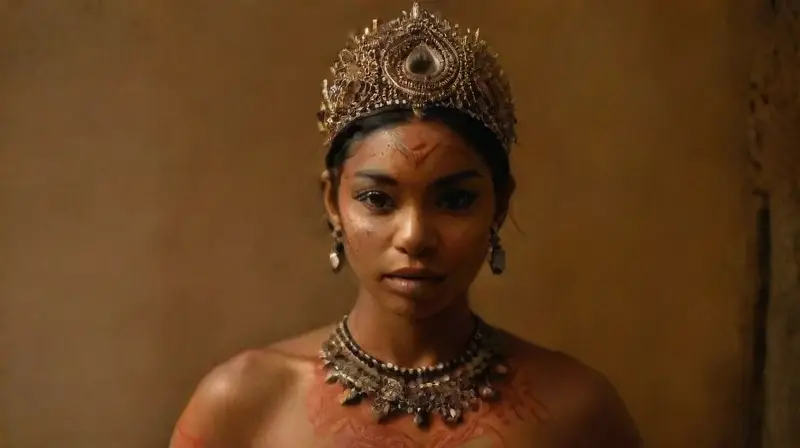
Many body art traditions are embedded within rituals that mark significant life events. These ceremonies often involve specific practices aimed at spiritual or communal bonding. For example, tribal tattoos may be applied during initiation rites, symbolizing readiness to assume new social roles.
Ritualistic body modifications serve to strengthen individual and collective identities. They are often accompanied by chants, dances, or fasting, amplifying their symbolic importance. These rituals reaffirm cultural heritage and facilitate personal transformation within a communal context.
In contemporary settings, some individuals create personal or artistic rituals around their body art. These practices help them connect emotionally to their modifications, framing the act as a meaningful step in their life’s journey. Such rituals reinforce the transformative power of body art beyond its physical appearance.
Ethical and Social Considerations
The increasing popularity of body art raises important ethical questions about consent, cultural appropriation, and safety. Ensuring that body modifications are performed ethically and with respect to cultural origins is vital for honoring their significance.
Social perceptions of body art vary widely, with some viewing it as a form of empowerment while others see it as rebellious or stigmatized. The evolving attitudes can influence how individuals choose to express their identity through body symbols.
Understanding and respecting these diverse perspectives is essential for fostering acceptance. Body art should be celebrated as a powerful language of transformation, grounded in informed and respectful choices.
Conclusion
Body art undoubtedly holds a profound place in human history as a symbolic language for transformation. Whether rooted in ancient tradition or contemporary self-expression, these symbols reflect individual journeys of change, resilience, and identity.
As a dynamic form of art, body modifications continue to evolve, challenged by cultural shifts and personal stories. They serve as lasting markers of human experience, illustrating the enduring connection between the body and the soul.
Leave a Reply