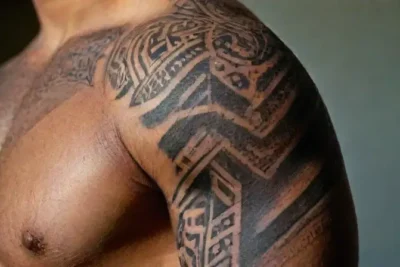
Tribal tattoo art is a profound tradition that has been passed down through generations across various indigenous cultures. It serves as a powerful form of expression, identity, and cultural preservation. These designs often carry deep meanings, representing lineage, social status, and spiritual beliefs. Today, tribal tattoos have gained worldwide popularity, yet they remain rooted in rich cultural histories.
Understanding the significance of tribal tattoos helps us appreciate their intricate patterns and symbolism. They are not merely decorative but are a testament to the stories, traditions, and histories of the communities that create them. Embracing this art form encourages respect for cultural diversity and heritage.
Origins of Tribal Tattoos
The origins of tribal tattoos date back thousands of years, with early examples found in archaeological excavations across Africa, Oceania, and the Pacific Islands. These markings often signified rites of passage, such as coming of age or warrior status. Different cultures developed unique styles reflective of their environment and beliefs.
In Polynesia, for instance, tattooing was considered a sacred ceremony involving complex patterns that indicated rank and social importance. Meanwhile, in Africa, scarification and ink tattoos served as a form of protection or spiritual connection. These early practices laid the foundation for the powerful symbolism now associated with tribal tattoos.
The spread of tattooing techniques evolved through trade and migration, influencing various regions and cultures. Despite differences, the core purpose of tribal tattoos—identity and spiritual connection—remained consistent. This shared heritage highlights the universal human desire for self-expression through body art.
Cultural Significance
Tribal tattoos go beyond mere decoration; they embody cultural values and ancestral connections. Each symbol and pattern has specific meaning, often related to mythology, nature, or spiritual beliefs. For example, certain lines might represent courage, while others symbolize protection or familial ties.
For many indigenous communities, these tattoos are integral to rites of passage. Young individuals often undergo tattooing to mark their transition into adulthood or to demonstrate their commitment to the community. These markings serve as lifelong badges of honor and identity.
Moreover, tribal tattoos foster a sense of belonging and unity within their communities. They reinforce social bonds and uphold traditions that have been maintained over centuries. This cultural significance underscores the importance of respecting and preserving this art form in its authentic context.
Techniques and Designs

Traditionally, tribal tattoos were applied using natural tools like bone, wood, or thorn needles, with ink made from charcoal, plant extracts, or clay. The process was arduous, often accompanied by rituals and ceremonies to ensure spiritual protection for the wearer.
Designs vary widely across different regions, from bold geometric patterns to intricate motifs resembling animals or natural elements. Many tribes favor symmetric and repetitive patterns that create a visual rhythm and harmony. These designs are carefully crafted to convey specific messages or symbolism.
Modern practitioners often adapt traditional styles, blending them with contemporary tattooing techniques. Despite technological advances, many artists strive to maintain the authenticity of original designs. This respect for tradition helps preserve the cultural integrity of tribal tattoo art.
Symbolism in Patterns
Every pattern and symbol in tribal tattoos carries significant meaning. Lines, dots, spirals, and shapes are carefully chosen to express personal or spiritual stories. For example, zigzag lines might symbolize water or movement, while spirals could represent life cycles or rebirth.
Certain symbols are unique to specific tribes, serving as identifiers or talismanic objects that offer protection. These motifs often embody myths, ancestors, or natural phenomena, creating a visual language that communicates core cultural values.
Understanding the symbolism behind these patterns enhances appreciation for tribal tattoos as a form of storytelling. Each tattoo becomes a visual narrative, connecting individuals to their heritage and spiritual beliefs.
Contemporary Adoption and Adaptation

Today, tribal tattoo art has transcended its traditional roots, becoming a popular style worldwide. Many people choose tribal designs for their striking visuals and bold statements. However, this widespread adoption raises questions about cultural appropriation versus appreciation.
Some artists incorporate tribal patterns into contemporary tattooing, blending styles to create unique artworks. While this innovation showcases creativity, it is crucial to respect the cultural origins of these designs. Engaging with communities and understanding the meaning behind patterns ensures honoring their significance.
By fostering awareness and cultural sensitivity, modern adopters can celebrate tribal tattoo art meaningfully. This approach helps preserve the authenticity and reverence associated with this sacred heritage while allowing new generations to appreciate and carry forward the tradition.
Preservation and Respect
Preserving tribal tattoo art requires maintaining its authenticity and respecting its cultural context. It is essential for artists and enthusiasts to learn about the history and symbolism behind the designs they use or admire. This knowledge fosters a deeper appreciation and prevents cultural misuse.
Collaborating with indigenous communities and artisans is vital to ensure respectful representation. Many tribes are actively working to protect their cultural intellectual property, advocating for ethical practices in tattooing and art. Supporting authentically created tribal art helps sustain cultural heritage.
Promoting awareness and education about tribal tattoos encourages responsible appreciation. Recognizing their cultural roots not only honors the communities that created them but also enriches our understanding of human diversity and the universal language of body art.
Conclusion
Tribal tattoo art is a rich and vibrant expression of cultural identity that spans centuries and continents. Its intricate designs and profound symbolism continue to inspire and connect individuals to their heritage and ancestors. Embracing this traditional art form offers an opportunity to honor diverse cultures and preserve their stories through visual storytelling.
As we celebrate tribal tattoo art, it is important to approach it with respect and awareness. Appreciating its historical and spiritual significance ensures that this powerful tradition remains authentic and meaningful for future generations. By doing so, we honor the legacy of the cultures that have kept this art alive for centuries.
Leave a Reply