
Watercolor tattoos and piercings have gained popularity for their vibrant and artistic appearance. These body modifications feature blended colors and fluid designs that resemble watercolor paintings. More than just a trend, they often symbolize personal stories, cultural identities, or artistic expression. Enthusiasts appreciate their unique, eye-catching aesthetic and the way they transform the body into a living canvas.
Throughout history, body art has been a powerful form of communication across cultures. Modern watercolors reflect this rich tradition, blending ancient symbolism with contemporary creativity. As they continue to evolve, they serve as a testament to the importance of individuality and the desire to stand out in society.
Origins of Watercolor Tattoos
The concept of watercolor tattoos originates from traditional tattooing practices but has developed into a distinct style over recent years. Artists began experimenting with techniques that mimic the transparency and flow of watercolor paints, resulting in softer, more fluid designs. This innovation drew inspiration from classic art and modern digital techniques.
Historical body art from different cultures, such as Maori or Indian tattoos, used bold lines and symbolic patterns. Watercolor tattoos, while different in appearance, continue this tradition by embedding meaning into each design. They also allow for more personalized and intricate storytelling on the skin.
The resurgence of watercolor tattooing is partly due to advances in ink technology and an increased demand for individuality. Many artists now specialize in this style, pushing the boundaries of traditional tattooing. The blend of art and body modification in watercolor tattoos represents a creative fusion of old and new worlds.
Cultural Significance
Watercolor tattoos often carry deep cultural meaning for those who wear them. Indigenous communities have used body art to symbolize identities, beliefs, or rites of passage. The flowing nature of watercolor styles can emulate natural elements like water, fire, or wind, which are central to many cultural mythologies.
In some cultures, these tattoos serve as protective symbols or expressions of spiritual connection. For example, a water-themed tattoo might represent fluidity, adaptability, or cleansing. Piercings also hold cultural importance, often linked to rites, social status, or personal milestones.
Modern wearers might choose watercolor tattoos to honor their heritage or to showcase their spirituality. The vibrant designs symbolize more than just aesthetics; they embody cultural stories and personal journeys. This melding of tradition and personal meaning enriches the significance of each tattoo and piercing.
Artistic Techniques

Creating watercolor tattoos requires a high level of skill and artistry. Artists often employ specialized shading and coloring methods to achieve the soft, dreamy effects characteristic of watercolor paintings. They use diluted inks and layered techniques to produce smooth transitions and vibrant hues.
The flow and blending are essential in capturing the essence of watercolor art. This involves careful planning, as each design must seamlessly incorporate colors that appear to bleed into one another naturally. Tattoo artists also experiment with abstract shapes and splashes to enhance the visual impact.
Piercers, while less involved in design, often collaborate with tattoo artists for multi-layered body art that complements piercing placement. The goal is to create a harmonious balance between the piercing placement and the overall watercolor motif. Together, these techniques contribute to a body art style that’s both beautiful and expressive.
Popular Designs and Themes
Watercolor tattoos feature a diverse array of themes, from floral motifs to abstract designs. Popular choices include vibrant roses, birds in flight, or cosmic scenes, each imbued with personal symbolism. These designs often evoke emotion and reflect the wearer’s personality or life experiences.
Nature-inspired themes are especially prevalent, emphasizing harmony with the environment. Elements such as water, sky, and flora are rendered with flowing, layered colors mimicking real watercolor paintings. They symbolize growth, change, and connection to nature.
Personal stories also influence design choices, like a favorite animal or meaningful quote blended into a watercolor background. The flexibility of this style allows for highly customized artwork that can tell a unique story. Ultimately, the themes highlight the wearer’s individuality and artistic vision.
Piercings in Watercolor Style
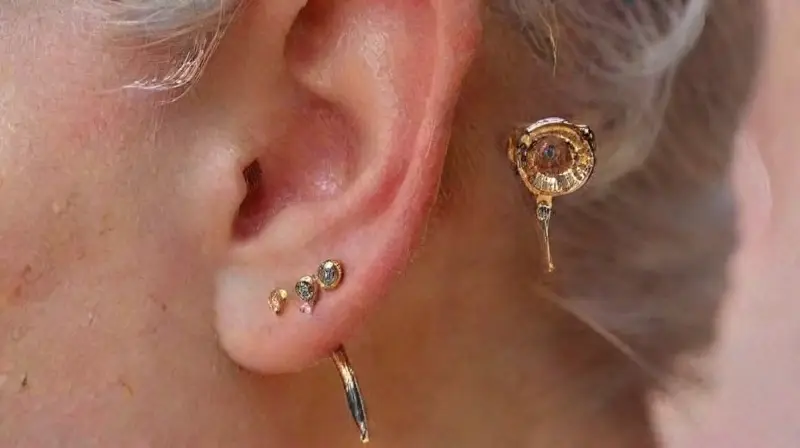
While tattoos dominate the watercolor art scene, piercings also embrace this vibrant aesthetic. Body jewelry with colorful, watercolor-inspired designs enhances the visual appeal and expresses creativity. Artists craftsmanship with enamel or resin to create jewelry resembling painted brushstrokes.
Piercings can accentuate a tattoo or stand alone as a form of self-expression. Placement is key; for example, ear or nose piercings framed by watercolor-themed jewelry make a statement. The combination of piercing and colorful design creates a cohesive, artistic look.
Both techniques serve as tools for personal expression and cultural storytelling. When combined, watercolor tattoos and piercings can create an immersive body art experience. They exemplify how body modifications continue to evolve into more artistic and meaningful forms.
Care and Maintenance
Maintaining watercolor tattoos involves special care to preserve their luminous colors. Proper healing begins with following aftercare instructions, such as keeping the area clean and moisturized. Because of the lighter inks and delicate shading, they can be more prone to fading if neglected.
Long-term care includes avoiding prolonged sun exposure and applying high-SPF sunscreen to prevent color discoloration. Regular touch-ups may be necessary to retain the vibrancy of the original design. This ongoing maintenance ensures the tattoo remains as striking as the day it was inked.
Piercings also require diligent aftercare to prevent infections and maintain their appearance. Proper cleaning and avoiding unnecessary trauma help preserve the integrity of both the jewelry and surrounding skin. When cared for well, watercolor-style tattoos and piercings can be enjoyed for a lifetime.
Conclusion
Watercolor tattoos and piercings serve as powerful forms of artistic and cultural expression. Their vibrant colors and fluid designs connect modern body art to centuries-old traditions, blending personal stories with creative innovation. They remind us of the importance of individuality and the human yearning to stand out through unique visual narratives.
As these art forms continue to evolve, they push boundaries and inspire new generations of body artists. The combination of rich symbolism, aesthetic beauty, and personal meaning makes watercolor tattoos and piercings a compelling way to celebrate identity, heritage, and self-expression.
Leave a Reply